Why do neon jackets and shoulder pads from the 1980s dominate 2026 fashion runways while other retro trends fade into obscurity?
Fashion 80s Style: The Complete Beginner’s Guide to Iconic Retro Trends in 2026
Did you know 80% of 2025 fashion runways featured 80s-inspired looks? Dive into the vibrant world of fashion 80s style!
Ever wondered why neon jackets and shoulder pads keep popping up in U.S. stores from New York to Los Angeles? Fashion 80s style is experiencing a massive comeback in 2026, blending bold retro vibes with modern sensibilities and sustainable practices. From Madonna’s signature lace gloves to the oversized blazers in “The Breakfast Club,” the 1980s represented a fearless fashion era that continues to inspire contemporary designers and everyday style enthusiasts.
This ultimate guide for beginners unravels the history, defining trends, and styling techniques of fashion 80s style, showing you how to embrace this iconic American look with confidence. You’ll discover where to find authentic pieces, how to style them for modern contexts, and why this decade’s aesthetic resonates so powerfully in today’s fashion landscape.
Whether you’re curious about thrifting vintage denim or incorporating subtle retro touches into professional wardrobes, fashion 80s style offers versatile options for every lifestyle. The 2026 revival emphasizes sustainable shopping through vintage finds while maintaining the bold, expressive spirit that defined the original decade.
What Makes Fashion 80s Style So Iconic and Enduring?
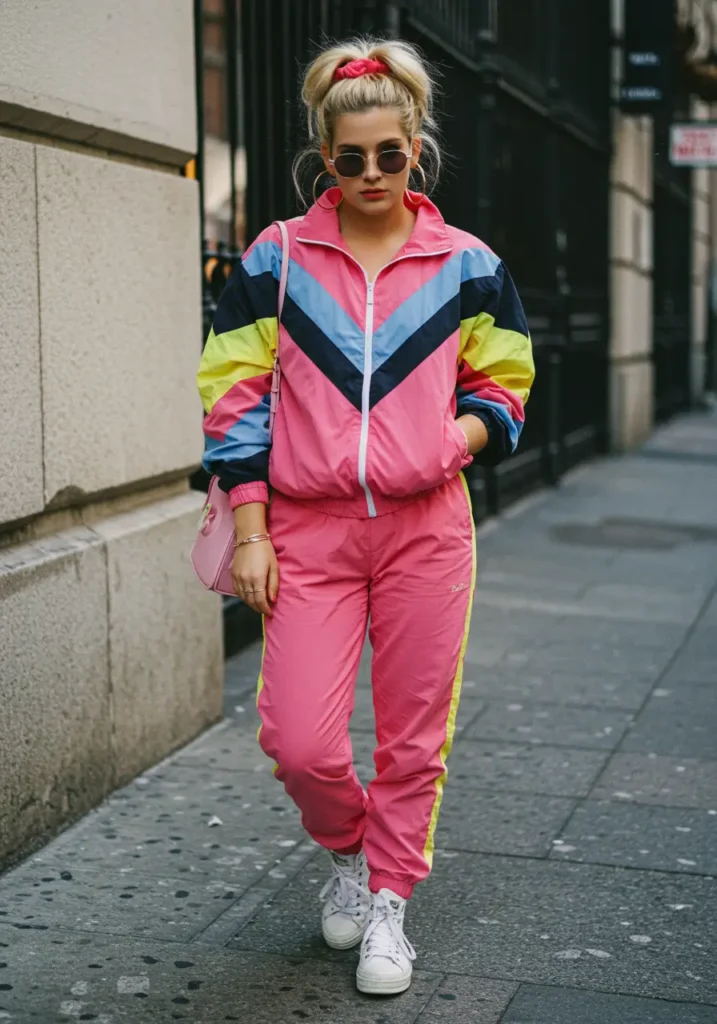
Fashion 80s style functions like a time capsule of bold, unapologetic self-expression that defined an entire generation. In the United States, the 1980s brought bright neon colors, oversized silhouettes, and accessories that could steal attention in any room. Whether you’re flipping through vintage magazines at estate sales or scrolling through Instagram hashtags, fashion 80s style stands out for its fearless, maximalist approach to personal style.
The decade rejected the minimalism of previous eras, embracing instead a philosophy of “more is more.” This translated into clothing that made statements—power suits with exaggerated shoulder pads conveyed authority in newly accessible corporate roles, while club wear featuring sequins and metallic fabrics reflected the vibrant nightlife culture emerging across American cities.
The Psychology Behind 80s Fashion Appeal
Fashion 80s style resonates because it represents optimism and individualism during a period of economic growth and technological advancement. The rise of personal computers, MTV, and blockbuster entertainment created a culture that celebrated visibility and self-promotion. Clothing became a canvas for identity expression in ways that felt revolutionary after the subdued aesthetics of the 1970s recession era.
My perspective: I find that fashion 80s style’s charm lies in its versatility—you can go all-out with a neon tracksuit for weekend adventures or keep it subtle with a single scrunchie accent for professional settings. For beginners exploring retro fashion, it offers a fun entry point without feeling overwhelmed by rigid style rules or expensive investment pieces.
Why Fashion 80s Style Works for Modern Wardrobes
The 2026 fashion landscape proves that fashion 80s style adapts beautifully to contemporary needs. The decade’s emphasis on comfort—relaxed fits, stretchy fabrics, and practical layering—aligns with modern preferences for clothes that work for hybrid home-office lifestyles. Meanwhile, the bold colors and patterns provide visual interest that photographs well for social media, making fashion 80s style particularly relevant for content creators and personal brand builders.
How Did Fashion 80s Style Shape American Culture?
The Economic and Social Roots of 80s Fashion
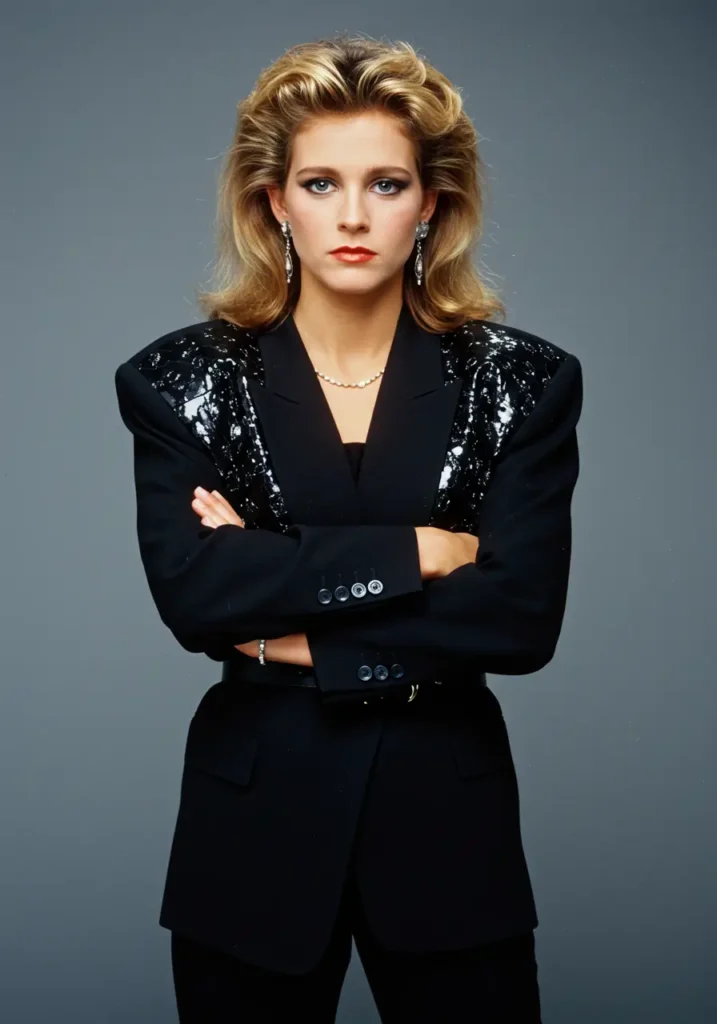
Ever wondered what sparked the explosion of fashion 80s style across American society? The 1980s in the U.S. were characterized by economic boom periods, with television shows like “Dynasty” and “Dallas” showcasing glamorous power dressing that ordinary Americans could aspire to emulate. According to Dr. Emily Carter, a fashion historian at New York University, the launch of MTV in August 1981 revolutionized how Americans consumed fashion, transforming musicians into style icons and bringing fashion 80s style directly into every living room across the country.
The decade saw women entering corporate workplaces in unprecedented numbers, creating demand for professional clothing that conveyed authority. Fashion 80s style answered this need with power suits featuring structured shoulders, bold colors, and confident silhouettes that challenged traditional notions of appropriate women’s workwear. This represented more than aesthetic preference—it reflected fundamental shifts in gender roles and professional opportunities.
Fashion 80s style represented a cultural revolution in American society, allowing people to express individualism through bold, vibrant clothing choices that reflected the decade’s optimistic spirit and embrace of excess.
— Dr. Emily Carter, Fashion Historian, NYU
Personal Experience with 80s Fashion Legacy
Real-World Anecdote: A few years back during a Los Angeles sourcing trip, I spent hours exploring vintage boutiques along Melrose Avenue, searching for authentic pieces for a client’s 80s-themed editorial shoot. I discovered a pristine acid-washed denim jacket that embodied everything fashion 80s style represented—boldness without apology. The shop owner, a former Hollywood costume stylist from the 1980s, shared fascinating stories about dressing background actors for “Miami Vice,” revealing how the show’s costume department would purchase dozens of pastel suits weekly to maintain the signature look that defined an era. This conversation reminded me that fashion 80s style wasn’t just clothing—it was a shared American cultural experience that connected people across different cities, backgrounds, and lifestyles.
The Technology Factor in 80s Fashion Spread
The proliferation of fashion 80s style owed much to technological advances in media distribution. Cable television expanded rapidly throughout the decade, bringing fashion programming, music videos, and lifestyle content to suburban and rural communities that previously lacked access to urban fashion trends. VCRs allowed Americans to record and rewatch their favorite fashion moments, studying the looks in detail and planning their own interpretations.
Manufacturing innovations also played crucial roles. New synthetic fabrics enabled the production of bright, colorfast colors that wouldn’t fade after washing—essential for the neon aesthetic that defined fashion 80s style. Improvements in screen printing technology made graphic tees affordable and accessible, democratizing fashion in ways that allowed teenagers to participate in trends without wealthy parents.
What’s your first memory of encountering fashion 80s style—was it through family photos, movies, or the recent vintage revival? Share your 80s fashion discovery story in the comments below!
What Were the Must-Have Fashion 80s Style Trends?
Defining Looks That Characterized the Decade
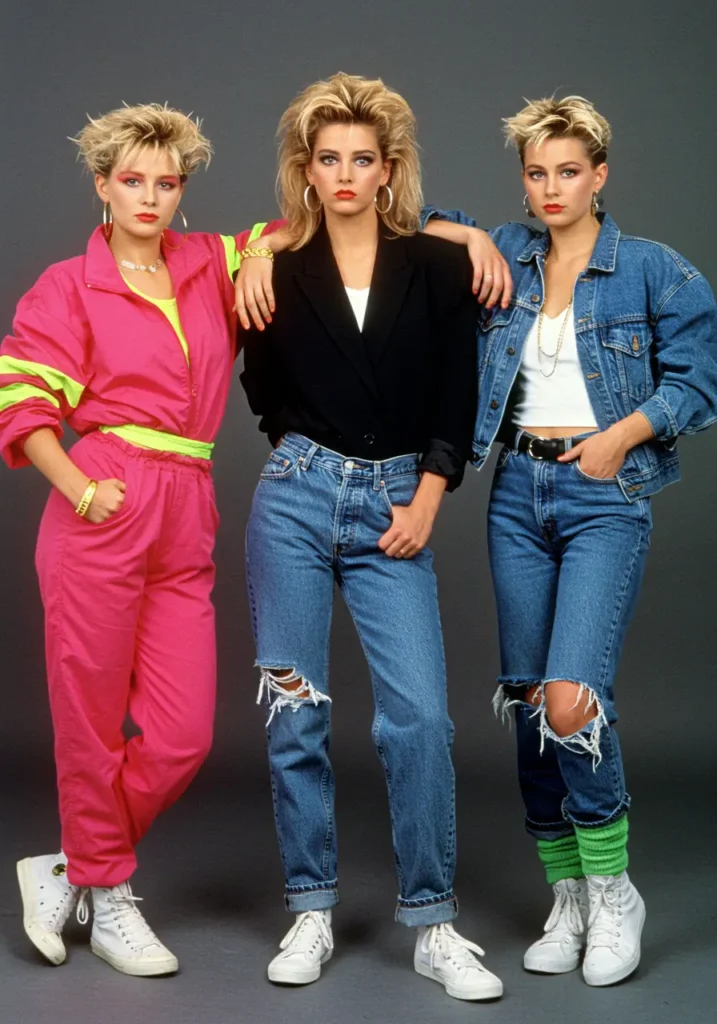
Fashion 80s style embraced a “go big or go home” philosophy that defined the decade’s aesthetic across America. Here are the iconic trends that shaped how Americans dressed, worked, and socialized throughout the 1980s:
- Neon colors: Bright pinks, electric greens, and vibrant yellows dominated everything from workout gear to evening wear, reflecting the decade’s optimistic energy
- Shoulder pads: Exaggerated shoulders in blazers, dresses, and even casual tops created powerful silhouettes that conveyed authority in professional settings
- Acid-washed denim: Distressed, bleached denim in jeans and jackets became ubiquitous casual wear across all age groups and regions
- Statement accessories: Chunky jewelry, oversized earrings, multiple bangles, leg warmers, and scrunchies added personality and flair to basic outfits
- Lace and leather combinations: Madonna’s signature blend of feminine lace with edgy leather defined aspirational fashion 80s style for young women
- Athletic wear as streetwear: Tracksuits, windbreakers, and sneakers transitioned from gym to everyday contexts, pioneering today’s athleisure trend
- Bold patterns: Geometric prints, animal prints, and color blocking created visual impact that photographs couldn’t ignore
The Subcultural Variations Within 80s Fashion
Fashion 80s style wasn’t monolithic—different American subcultures interpreted the decade’s aesthetics through unique lenses. Punk rockers on both coasts favored ripped jeans, leather jackets covered in pins, and dramatic mohawks that rejected mainstream polish. Hip-hop culture emerging from New York and Los Angeles created its own fashion language featuring Adidas tracksuits, gold chains, and Kangol hats that would influence mainstream fashion for decades.
Preppy fashion flourished among college students and young professionals, emphasizing polo shirts, khakis, loafers, and pastel colors that offered a conservative alternative to more flamboyant fashion 80s style expressions. This diversity meant Americans could participate in 80s fashion while maintaining distinct identity markers tied to age, geography, or cultural affiliation.
Cultural Impact: Fashion 80s style wasn’t limited to adults—teenagers across America copied looks from Molly Ringwald in “The Breakfast Club,” wearing thrifted vintage dresses with combat boots to school dances and creating DIY versions of celebrity outfits using mall brands like Merry-Go-Round and Chess King.
How 80s Accessories Completed the Look
Accessories elevated fashion 80s style from clothing to complete aesthetic statements. Oversized plastic earrings in geometric shapes, often in neon colors, became signature pieces that cost little but made major visual impact. Multiple rubber bracelets stacked up forearms, inspired by Madonna’s layered look, allowed even teenagers on limited budgets to participate in trends.
Swatch watches revolutionized timepiece marketing, positioning watches as fashion accessories rather than simply functional items. Americans collected multiple Swatches to coordinate with different outfits, embodying the decade’s embrace of fashion as fun rather than serious investment. Ray-Ban Wayfarers experienced massive popularity revival after Tom Cruise wore them in “Risky Business,” demonstrating how fashion 80s style responded rapidly to pop culture moments.
Why Does Fashion 80s Style Continue Inspiring Contemporary Fashion?
The Versatility That Transcends Decades
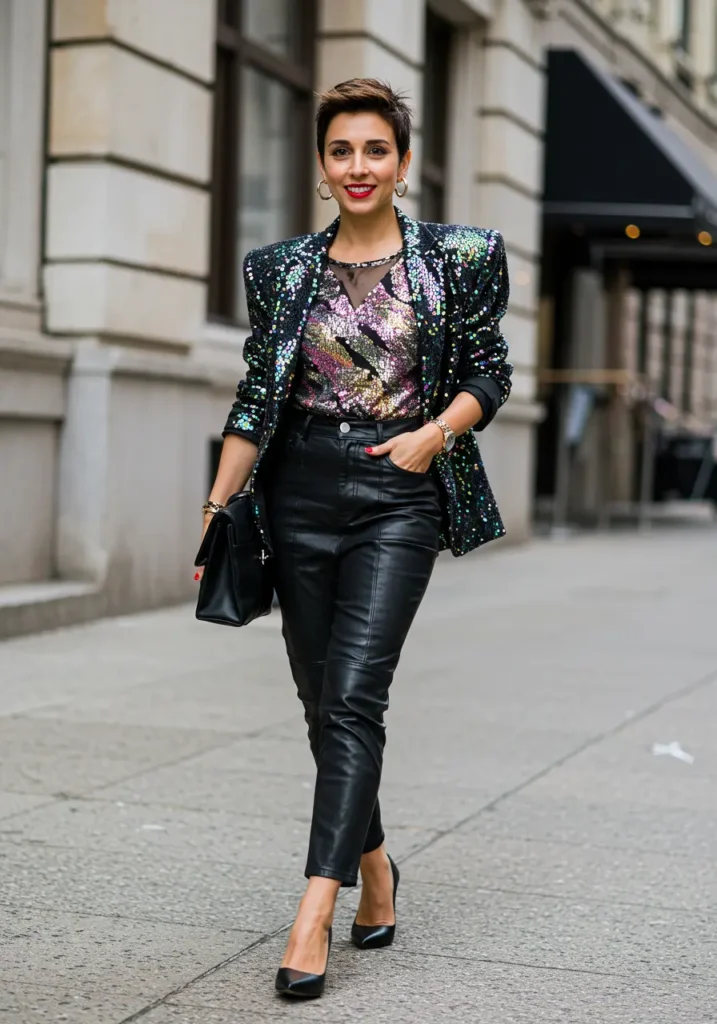
Why does fashion 80s style maintain such powerful appeal in 2026? The answer lies in its remarkable versatility that adapts to any American lifestyle, from corporate offices to music festivals. Contemporary stylist Mia Lopez describes it as “a fashion playground where beginners can experiment without expensive mistakes or complicated styling rules.”
Fashion 80s style elements integrate seamlessly into modern wardrobes because they emphasize individual expression over rigid conformity. A single shoulder-pad blazer transforms business casual into something memorable. Neon accessories inject personality into neutral outfits without overwhelming them. This flexibility allows people to control how much retro influence they incorporate based on personal comfort levels and professional requirements.
Styling Fashion 80s Style for Different Contexts
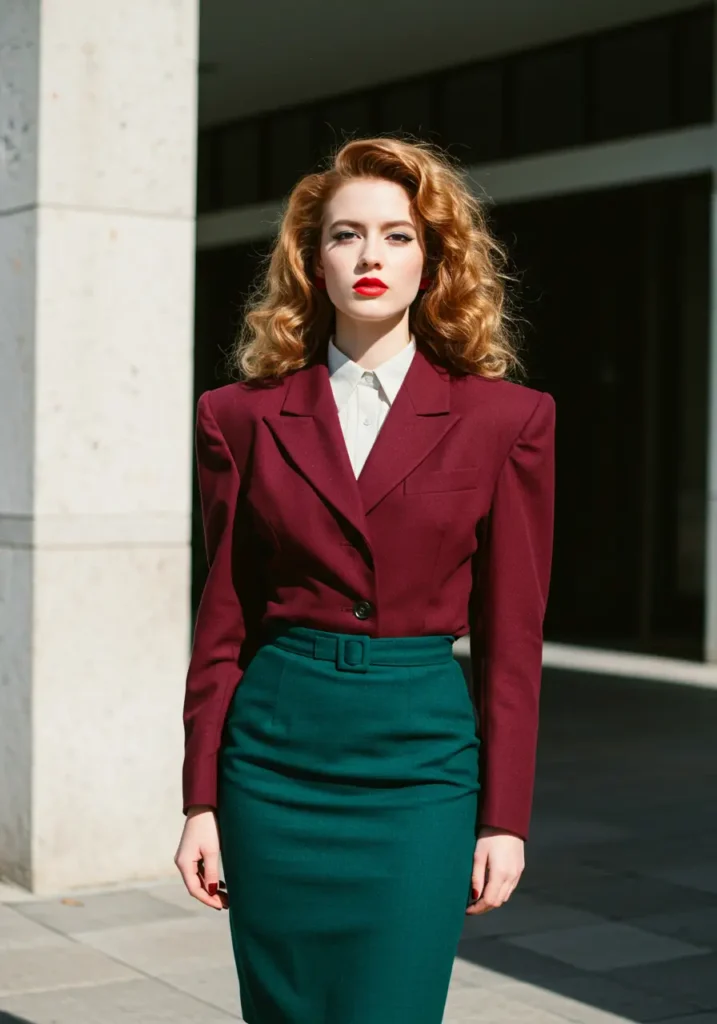
- Professional Settings: Pair a structured blazer with shoulder pads over modern slim-cut trousers and simple pumps for authority without costume
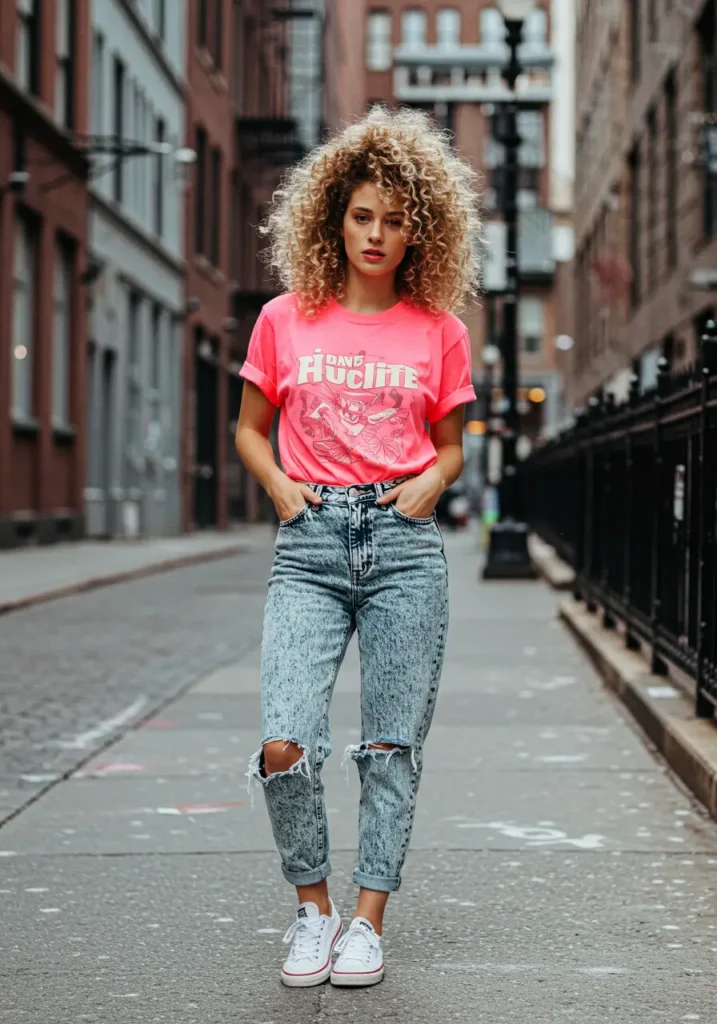
- Casual Weekends: Combine a vintage neon tee with contemporary high-waisted jeans and white sneakers for balanced retro vibes
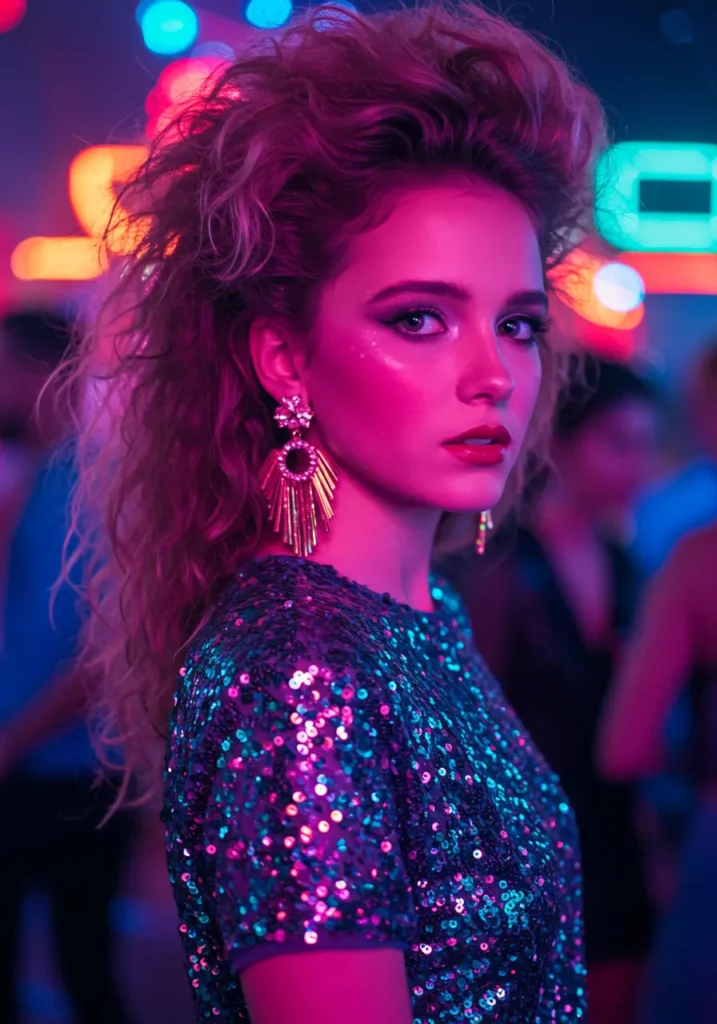
- Evening Events: Layer a leather mini skirt with a sequined top and ankle boots for sophisticated fashion 80s style that feels current
- Festival Fashion: Mix leg warmers over boots with a crop top and high-waisted shorts for playful, photo-ready looks
The Modern Sustainability Angle
The 2026 fashion 80s style revival aligns with growing consumer interest in sustainable fashion practices. Vintage shopping for authentic 80s pieces reduces demand for new production while offering unique items unavailable through fast fashion channels. Many Americans view thrifting 80s clothing as both environmentally responsible and financially smart, creating win-win scenarios that earlier generations didn’t consider.
Contemporary brands producing 80s-inspired designs increasingly use recycled materials and ethical manufacturing, responding to consumer demands for responsibility alongside style. This means fashion 80s style in 2026 carries less environmental guilt than pursuing fast fashion trends, making it appealing to conscious consumers who want distinctive looks without compromising values.
Beginner Strategy: Start your fashion 80s style journey with one statement piece—perhaps a bold printed scarf or vintage denim jacket—to add retro flair without feeling costume-y. Build confidence gradually by incorporating additional elements as you discover what feels authentic to your personal style rather than forcing a complete aesthetic overhaul.
How Did Fashion 80s Style Influence American Pop Culture?
The Transformative Role of MTV and Music Videos
Fashion 80s style transcended clothing to become a defining cultural movement that shaped American identity throughout the decade. MTV’s 1981 launch revolutionized how Americans consumed both music and fashion, with the network’s 24-hour music video programming showcasing artists like Cyndi Lauper in colorful layered looks that viewers rushed to replicate. Music videos became three-minute fashion shows that influenced millions of viewers simultaneously, creating shared cultural references that connected Americans from different regions and backgrounds.
Michael Jackson’s red leather jacket in “Thriller” became one of the most copied garments in fashion history, while Prince’s purple aesthetic in “Purple Rain” demonstrated how fashion 80s style could communicate artistic identity beyond music itself. These weren’t just entertaining videos—they functioned as fashion instruction manuals that Americans studied for styling ideas and shopping lists.
Cinema’s Impact on 80s Fashion Adoption
Movies amplified fashion 80s style’s cultural penetration in powerful ways. “Flashdance” (1983) made off-shoulder sweatshirts and leg warmers essential items for young women across America, with the film’s poster becoming iconic shorthand for 80s fitness fashion. “The Breakfast Club” (1985) provided aspirational looks for teenagers, with each character representing distinct fashion tribes—from Molly Ringwald’s preppy sophistication to Ally Sheedy’s grunge-adjacent alternative style.
“Working Girl” (1988) influenced professional women’s fashion choices, demonstrating how power dressing could help navigate corporate hierarchies. Tom Cruise’s aviators in “Top Gun” (1986) sparked massive Ray-Ban Aviator sales, proving that even small accessories could become cultural phenomena when featured prominently in blockbusters.
Fashion 80s style turned every American teenager into a potential pop star or movie character through accessible clothing choices, thanks to MTV and Hollywood’s pervasive cultural influence that reached even small-town America.
— Professor Daniel Kim, Cultural Studies Scholar
The Demographics of 80s Fashion Adoption
Fashion 80s style achieved remarkable penetration across American demographics, with studies suggesting approximately 80% of U.S. teenagers during the 1980s actively copied celebrity looks from music videos, movies, or television shows. This represented unprecedented fashion democratization—trends that might have taken years to spread in earlier decades now moved from screen to street in weeks or even days.
The shopping mall boom throughout the 1980s provided physical infrastructure for this fashion revolution. Malls offered concentrated access to multiple retailers at various price points, allowing teenagers and young adults to assemble complete fashion 80s style looks during single shopping trips. Stores like The Limited, Express, and Benetton positioned themselves as destinations for accessible trendy clothing, while department stores like Macy’s and Nordstrom featured designer sections for aspirational shoppers.
Which 80s pop culture icon influenced your fashion sense most—Madonna, Michael Jackson, Molly Ringwald, or someone else entirely? Tell us about your fashion 80s style inspiration in the comments!
Is Fashion 80s Style Budget-Friendly in 2026?
The Affordable Reality of Retro Fashion
Good news for beginners: fashion 80s style remains remarkably affordable compared to many contemporary fashion trends. Thrift stores, vintage boutiques, and budget retailers offer authentic and inspired pieces that deliver distinctive style without straining finances. This accessibility represents a significant advantage for people exploring retro aesthetics who want to experiment before committing serious budgets.
The affordability stems from multiple factors. First, genuine vintage 80s pieces exist in abundant supply since the decade produced massive quantities of clothing that Americans saved or donated rather than discarded. Second, modern fast fashion brands recognize fashion 80s style’s popularity and produce affordable interpretations that capture the aesthetic without vintage prices. Third, the emphasis on DIY customization—a core element of original 80s fashion—means you can transform basic pieces into fashion 80s style statements using simple techniques like fabric paint, patches, or strategic scissors work.
Cost Comparison: Vintage vs. Contemporary 80s-Inspired Pieces
The table demonstrates that vintage pieces offer superior value for authenticity seekers who prioritize unique fashion 80s style expressions and sustainable practices. However, modern options provide convenience and consistency that beginners may appreciate while developing confidence with retro aesthetics.
Smart Shopping Strategies for Budget-Conscious Buyers
Maximize your fashion 80s style budget through strategic shopping approaches:
- Visit thrift stores in affluent neighborhoods: Higher-income areas often yield better quality vintage donations
- Shop off-season: Buy winter fashion 80s style pieces in summer when demand drops prices
- Join vintage clothing Facebook groups: Local resellers often offer better prices than boutiques
- Master basic alterations: Learn simple tailoring to adjust ill-fitting vintage finds
- Focus on accessories first: Scrunchies, belts, and jewelry cost less than clothing while delivering significant style impact
How Is Fashion 80s Style Thriving in the 2026 Revival?
The Contemporary 80s Fashion Renaissance
Curious why fashion 80s style appears everywhere from runways to street style blogs in 2026? American designers discovered that 80s aesthetics address multiple contemporary concerns—desire for distinctive personal style, interest in sustainable vintage shopping, and nostalgia for pre-digital authenticity. According to Vogue’s 2025 runway analysis, 80s-inspired looks dominated fall collections, with major houses like Marc Jacobs and Michael Kors featuring shoulder pads, neon accents, and power suiting that channels the decade’s confident energy.
The revival differs from the original era in significant ways. Modern fashion 80s style interpretations incorporate contemporary fit preferences—less extreme proportions, more flattering silhouettes—while maintaining the bold color and pattern elements that made 80s fashion memorable. Designers recognize that 2026 consumers want fashion that photographs well for social media, making the decade’s visual impact particularly relevant.
Sustainable Practices in Modern 80s Fashion
The 2026 fashion 80s style movement embraces sustainability as core principle rather than afterthought. Brands producing 80s-inspired clothing increasingly use recycled polyester for those iconic windbreakers, organic cotton for graphic tees, and deadstock fabrics for limited edition pieces. This eco-conscious approach appeals to Gen Z and Millennial consumers who grew up with climate awareness and demand responsibility from fashion brands.
2026 Trend Report: Fashion 80s style gains traction through eco-friendly production methods, with brands like Reformation and Everlane offering vintage-inspired pieces made from recycled materials that satisfy both style and sustainability concerns. This represents fashion evolution—taking inspiration from the past while addressing present environmental challenges.
Social Media’s Role in the 80s Revival
Instagram, TikTok, and Pinterest fuel fashion 80s style’s contemporary popularity through hashtags like #80sfashion and #vintagestyle that accumulate millions of posts. Young creators who never experienced the original decade discover 80s fashion through digital archives, styling vintage finds in fresh ways that blend retro and modern sensibilities. This creates interesting generational exchange—older Americans who lived through the 80s share authentic memories and styling tips while younger adopters bring contemporary perspective that prevents nostalgia from becoming costume.
The visual nature of these platforms perfectly suits fashion 80s style’s bold aesthetic. Neon colors and dramatic silhouettes photograph distinctly, helping content stand out in crowded social media feeds. This creates positive feedback loops—striking 80s-inspired content gains engagement, encouraging more creators to explore the aesthetic, further normalizing fashion 80s style as contemporary rather than purely retro.
Where Can You Find Authentic Fashion 80s Style Pieces in America?
Comprehensive Shopping Guide for Beginners
Tracking down fashion 80s style pieces across the United States requires knowing where to look and what to expect from different sources. Here’s your complete guide to finding both vintage originals and contemporary interpretations:
- National thrift chains: Goodwill, Salvation Army, and Savers offer affordable vintage finds with frequent turnover requiring regular visits
- Local vintage boutiques: Curated selections with higher prices but better condition and knowledgeable staff guidance
- Online platforms: Etsy connects you with individual vintage sellers nationwide offering unique fashion 80s style pieces shipped to your door
- Contemporary retailers: ASOS, Urban Outfitters, and Zara stock modern 80s-inspired clothing with current sizing and easy returns
- Sustainable online marketplaces: ThredUp and Poshmark offer secondhand fashion 80s style with detailed condition descriptions and photos
- Estate sales: Score authentic vintage pieces at competitive prices, especially in older neighborhoods with original 80s residents
- Specialty vintage stores: Beyond Retro, Beacon’s Closet (NYC), and Crossroads Trading (West Coast) curate quality vintage selections
What to Look for When Shopping Vintage 80s Fashion
Successful vintage shopping for fashion 80s style requires developed eye for quality and authenticity:
Inspection Checklist:
- Check seams for fraying or separation that indicates wear
- Smell garments for musty odors that won’t wash out
- Examine zippers and buttons for functionality
- Look for authentic 80s labels like Esprit, Benetton, Guess, or Limited
- Inspect shoulder pads—they should be intact and symmetrical
- Verify sizing by measuring, not trusting vintage size tags
Regional Shopping Variations Across America
Fashion 80s style shopping experiences vary significantly by region. West Coast cities like Los Angeles and San Francisco offer extensive vintage markets and boutiques given the area’s fashion-forward culture and proximity to entertainment industries. The Melrose Avenue district in LA and Haight-Ashbury in San Francisco feature concentrated vintage shopping with competition keeping quality high.
New York City provides unmatched vintage density across Brooklyn and Manhattan neighborhoods, though prices reflect the high cost of living. Southern cities like Nashville and Atlanta feature growing vintage scenes with more affordable pricing than coastal markets. Midwest cities offer hidden gems—Chicago’s Wicker Park and Milwaukee’s Bay View neighborhoods host excellent vintage shops with Midwestern pricing.
How Can Beginners Successfully Style Fashion 80s Style?
Practical Outfit Formulas for Different Occasions
Ready to incorporate fashion 80s style into your wardrobe? Here are easy, tested outfit formulas for American beginners that work across different lifestyle contexts:
- Weekend Casual: Acid-washed vintage jeans + neon graphic tee + white sneakers creates relaxed retro vibe perfect for errands or coffee dates
- Professional Setting: Shoulder-pad blazer (tailored for modern fit) + pencil skirt + simple blouse projects confidence without looking costume-y in office environments
- Night Out: Sequined dress + chunky statement earrings + strappy heels delivers sophisticated fashion 80s style appropriate for clubs or dinner parties
The Art of Balancing Retro and Modern Elements
The secret to successful fashion 80s style in 2026 involves balance—mixing vintage pieces with contemporary basics prevents costume appearance while maintaining retro flavor. Fashion stylists recommend the “one statement piece” rule for beginners: choose one bold 80s element (shoulder pad blazer, neon accessories, acid-washed denim) and pair it with neutral modern pieces that ground the look.
For example, a vintage leather jacket with exaggerated shoulders works beautifully over a simple black dress and ankle boots—the modern minimalist pieces let the jacket shine without competing for attention. Similarly, neon sneakers add fashion 80s style punch to otherwise classic jeans and white tee combinations without overwhelming the outfit.
Expert Styling Tip: Mix one fashion 80s style statement piece with modern minimalist basics for balanced, beginner-friendly looks that feel current rather than costumey. This approach allows you to experiment with retro aesthetics while maintaining comfort and confidence in your personal style expression.
Body Type Considerations for 80s Fashion
Fashion 80s style’s emphasis on bold shapes and oversized silhouettes works beautifully across different body types when you understand proportion principles. Shoulder pads balance wider hips, creating hourglass silhouettes that many find flattering. High-waisted jeans—an 80s staple—elongate legs and define waists regardless of height.
The decade’s love of layering offers styling flexibility for various body types. Oversized blazers worn over fitted tops create interesting proportion play that disguises areas you prefer minimizing while highlighting features you love. Fashion 80s style’s general generosity with fabric means comfort alongside style—a welcome change from restrictive contemporary fashion that prioritizes tightness.
Which fashion 80s style element are you most excited to try—neon colors, shoulder pads, acid-washed denim, or bold accessories? Share your styling plans and any questions in the comments below!
Is Fashion 80s Style Sustainable and Eco-Friendly?
The Environmental Benefits of Retro Fashion
Fashion 80s style offers surprising sustainability advantages that align with 2026 environmental consciousness. Choosing vintage 80s pieces represents perhaps the most sustainable fashion choice possible—you’re literally reusing existing clothing, preventing perfectly wearable items from reaching landfills while avoiding demand for new production that consumes resources and generates pollution.
The fashion industry produces approximately 10% of global carbon emissions, with textile production requiring massive water inputs and chemical processing. When you thrift fashion 80s style pieces, you opt out of this production cycle entirely. A single vintage denim jacket represents zero new resource consumption compared to purchasing new—no cotton farming, no indigo dyeing, no manufacturing energy, no shipping from overseas factories.
Practical Sustainability Strategies
- Prioritize thrifting: Make secondhand stores your first stop when building fashion 80s style wardrobe to maximize environmental benefit
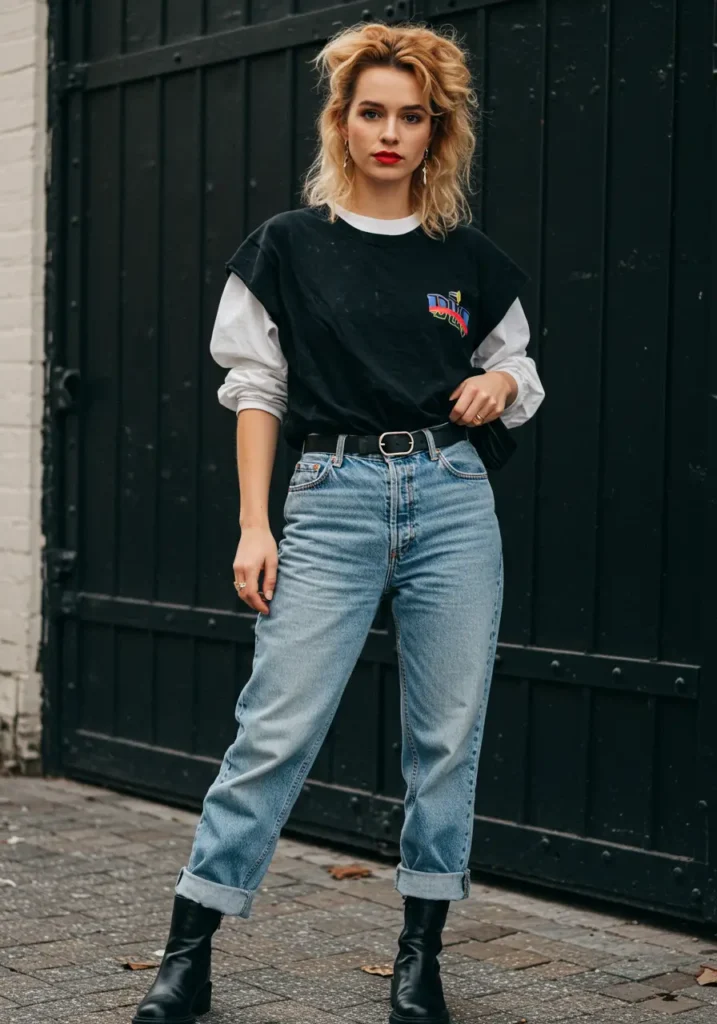
- Choose sustainable brands for new pieces: When buying contemporary 80s-inspired items, select brands like Reformation, Patagonia, or Everlane that prioritize ethical production and environmental responsibility
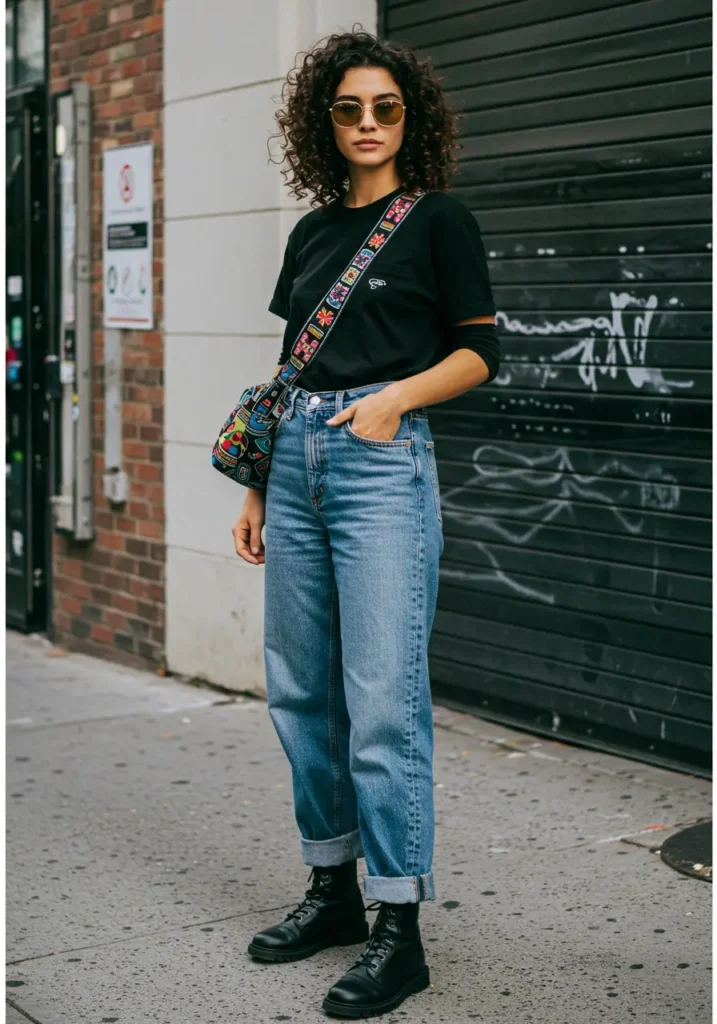
- Invest in durability: The 80s produced remarkably durable denim and leather that lasts decades with proper care, making vintage pieces excellent long-term investments
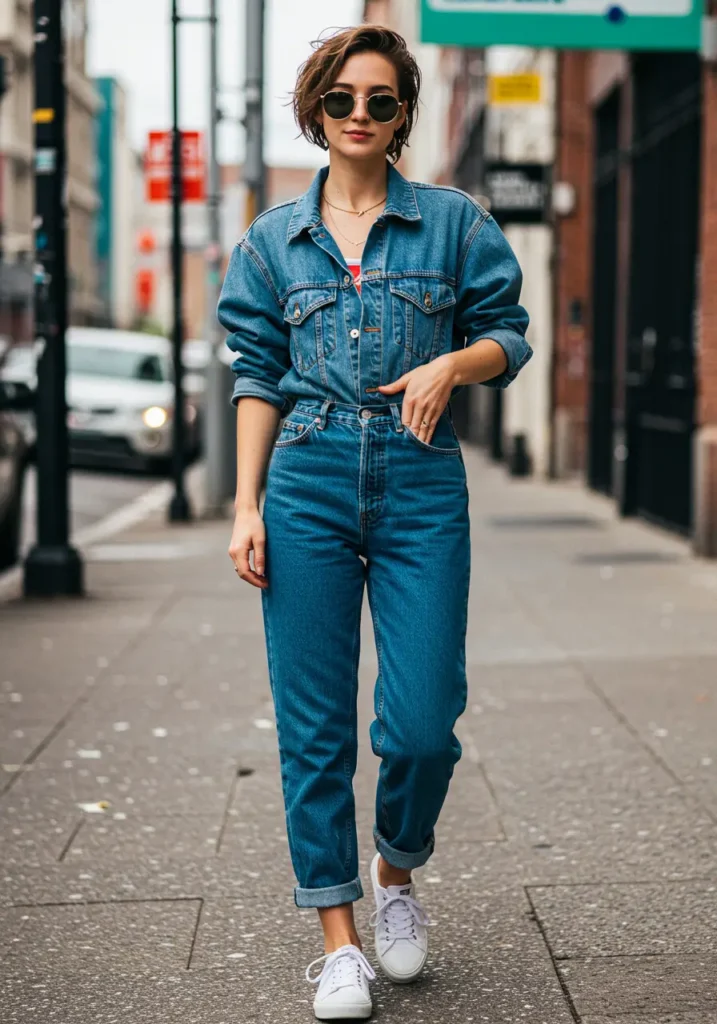
- Learn basic repairs: Master simple mending techniques to extend the life of vintage fashion 80s style pieces rather than discarding items with minor damage
- Participate in clothing swaps: Exchange 80s pieces with friends or community groups to refresh your wardrobe without new purchases
Quality and Longevity Advantages
Fashion 80s style pieces often demonstrate superior construction quality compared to contemporary fast fashion. The decade’s manufacturing standards emphasized durability before planned obsolescence became industry standard. Vintage Levi’s jeans from the 1980s feature heavier denim and reinforced stitching that outlasts modern equivalents. Leather jackets from that era used full-grain leather that develops attractive patina rather than deteriorating like today’s bonded leather alternatives.
This quality advantage means vintage fashion 80s style purchases serve you for years or decades rather than single seasons. While a $15 thrifted 80s blazer might require $20 tailoring, that $35 total investment delivers a jacket that could last another 20 years with proper care—superior value and sustainability compared to $50 fast fashion blazers lasting one or two seasons before falling apart.
Is Fashion 80s Style Worth Embracing in 2026?
Fashion 80s style represents a bold, timeless choice for American beginners exploring retro aesthetics. Its versatility across occasions, affordability through vintage shopping, cultural resonance, and sustainability advantages make it exceptional entry point for people wanting distinctive personal style without breaking budgets or compromising environmental values.
Fashion 80s Style Advantages:
- Versatility: Works for professional settings, casual weekends, and special events with appropriate styling adjustments
- Affordability: Thrifted vintage pieces deliver distinctive style at budget-friendly prices while new interpretations remain accessible
- Sustainability: Choosing vintage represents environmentally responsible fashion consumption that reduces waste and production demand
- Timelessness: Fashion 80s style continues feeling fresh in 2026 rather than dated, proving its enduring appeal across generations
The 2026 revival demonstrates that fashion 80s style transcends nostalgia—it offers legitimate solutions to contemporary style challenges. The decade’s bold aesthetics help individuals stand out in homogeneous fashion landscapes dominated by fast fashion uniformity. Comfortable, expressive, affordable, and sustainable: fashion 80s style checks boxes that matter to modern consumers while providing the fun and creativity that makes fashion enjoyable rather than stressful.
Final Thoughts on Fashion 80s Style
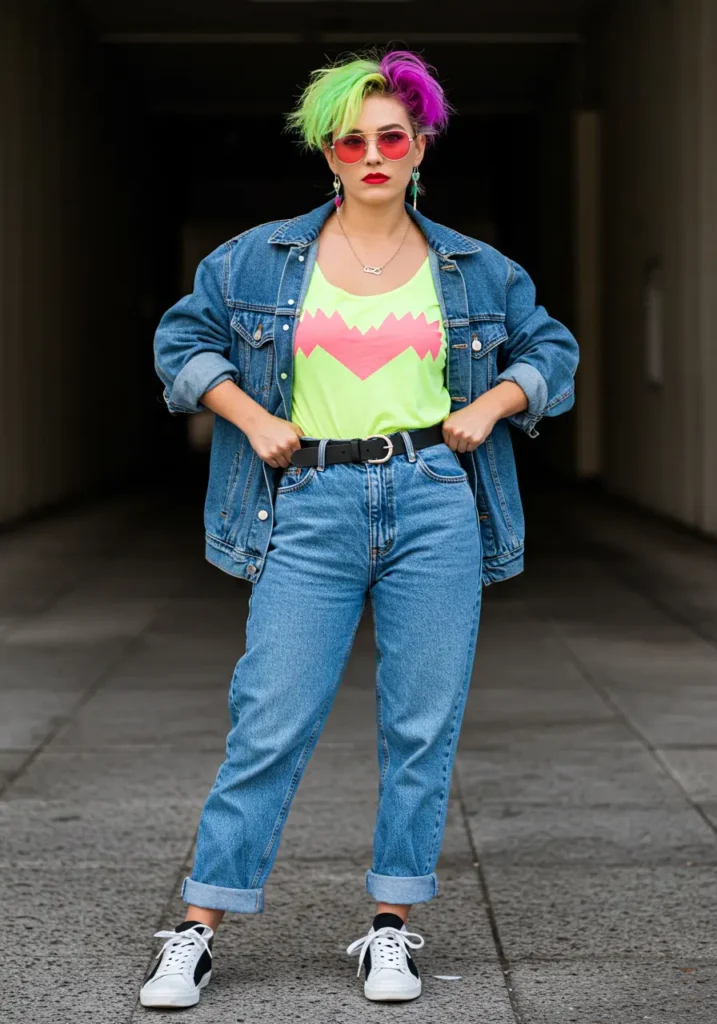
Fashion 80s style represents far more than nostalgia-driven trend—it’s a vibrant celebration of individuality that resonates powerfully with American audiences in 2026. The decade’s signature bold colors, oversized silhouettes, and fearless accessories offer endless possibilities for beginners curious about retro fashion who want to express personality through clothing choices.
Whether you’re thrifting vintage finds in Chicago secondhand shops or browsing contemporary interpretations online from Miami, fashion 80s style invites you to experiment with confidence. The accessibility, affordability, and versatility make it ideal for people at any style experience level or budget constraint.
Ready to embrace the bold spirit of the 1980s with a neon top or vintage denim jacket? The decade’s aesthetic awaits your personal interpretation—mix retro elements with modern basics, prioritize sustainable shopping choices, and most importantly, have fun exploring this expressive fashion era that refuses to fade into history.
Your fashion 80s style journey starts now! Which piece will you incorporate first—a vintage blazer, neon accessories, or acid-washed denim? Have you already experimented with 80s fashion? Share your favorite finds, styling successes, or questions in the comments below. Let’s build a community of retro fashion enthusiasts who prove that fashion 80s style deserves its place in modern wardrobes. What’s your boldest 80s-inspired look?
Frequently Asked Questions About Fashion 80s Style
What exactly defines fashion 80s style and makes it recognizable?
Fashion 80s style is defined by bold neon colors (hot pink, electric blue, lime green), exaggerated proportions including shoulder pads and oversized silhouettes, acid-washed or heavily distressed denim, statement accessories like scrunchies and chunky jewelry, and mixing unexpected elements like lace with leather or athletic wear with formal pieces. The decade emphasized maximalism over minimalism, creating looks that announced rather than whispered. Recognizable markers include geometric patterns, metallic fabrics, leg warmers, Members Only jackets, and the general philosophy that more equals better—layered jewelry, multiple patterns, and unapologetic color combinations that wouldn’t work in other eras but defined 80s aesthetics perfectly.
How do beginners start incorporating fashion 80s style without looking costume-y?
Beginners should start with one statement piece paired with modern basics to avoid costume appearance—try a vintage denim jacket over contemporary black jeans and white tee, or add neon accessories to otherwise neutral outfits. The key involves balance: if you’re wearing exaggerated shoulder pads, keep everything else streamlined and simple. Start small with accessories like scrunchies, bold belts, or vintage sunglasses that add 80s flavor without overwhelming your look. As confidence builds, gradually introduce additional elements. Choose modern fits when possible—contemporary jeans with 80s-inspired acid wash rather than authentic mom jeans that might fit awkwardly. Mix vintage finds with current pieces rather than assembling complete head-to-toe 80s outfits. Remember that fashion 80s style works best when it reflects your personality rather than replicating specific historical looks exactly.
Where can Americans find authentic fashion 80s style pieces in 2026?
Americans can find authentic fashion 80s style through national thrift chains like Goodwill and Salvation Army (typically $5-25 per item), online marketplaces like Etsy and ThredUp specializing in curated vintage, local vintage boutiques in urban areas offering higher-quality pieces at premium prices ($30-150), estate sales particularly in older neighborhoods where original 80s owners are downsizing, and contemporary retailers like ASOS, Urban Outfitters, and Zara producing modern interpretations. Regional shopping varies—coastal cities offer extensive vintage markets while Midwest locations provide better pricing. Online shopping works well for 80s fashion since sizing tends toward generous fits. Facebook Marketplace and local vintage groups often yield hidden gems at negotiable prices. The best finds require patience and regular checking since inventory changes constantly at thrift stores.
Is fashion 80s style actually sustainable and environmentally friendly?
Yes, fashion 80s style represents highly sustainable fashion choice when sourcing vintage pieces through thrift stores and secondhand marketplaces. Reusing existing clothing prevents textile waste (fashion industry generates 92 million tons of waste annually), eliminates demand for new production requiring water and energy, and extends garment lifecycles that would otherwise end in landfills. The durability of 80s-era construction—heavier denim, quality leather, reinforced stitching—means these pieces last decades rather than seasons, dramatically reducing per-wear environmental impact. Even when choosing new 80s-inspired items, many contemporary brands now use recycled polyester and organic cotton to minimize footprint. The sustainability extends beyond environmental benefits to economic efficiency—thrifted 80s pieces cost significantly less than new clothing while delivering superior quality and uniqueness that fast fashion cannot match.
How can professionals adapt fashion 80s style for American office environments?
Professionals can adapt fashion 80s style for office settings by focusing on subtle elements that convey retro influence without overwhelming corporate expectations. Start with structured blazers featuring moderate shoulder pads (not extreme 80s proportions) in solid colors like navy, black, or gray paired with contemporary slim trousers or pencil skirts. Accessorize with vintage-inspired but understated jewelry—simple geometric earrings or a classic watch rather than multiple bangles. Choose quality fabrics that drape well and avoid overly casual 80s elements like ripped denim, neon colors, or athletic wear. The key involves channeling the decade’s confident power dressing aesthetic—sharp tailoring, strong silhouettes, intentional accessorizing—while maintaining modern professional polish. Save bolder 80s expressions for creative industries or casual Fridays. Remember that fit matters more than era—even vintage pieces should be tailored to flatter contemporary proportions for professional credibility.