Greenhouse Gardening Tips: How to Grow More (With Less Stress)
A practical guide to setup, temperature control, and healthier greenhouse plants.
A greenhouse is more than a structure—it’s a controlled environment that can extend your growing season and protect tender plants.
Greenhouses help gardeners grow winter plants, start seedlings earlier, and experiment with varieties that may be difficult outdoors.
This guide breaks down the essentials—location, structure options, climate control, and daily care—so you can avoid common beginner mistakes.
Why a greenhouse helps
- Grow smaller vegetables and plants during winter.
- Get an early start on seedlings and protect young plants.
- Experiment with new plants and varieties as a hobby or learning project.
Mindset shift: Think “controlled conditions” (light, warmth, humidity) instead of “a room for plants.”
Best location setup
Location is everything: your greenhouse should get maximum sunlight, and morning sunlight (east) is especially helpful.
- Orientation: Facing the long side south can help capture more sun and can simplify shading if you use shade cloth.
- Tree strategy: Some trees can shade the hot afternoon sun, but don’t let them block morning light.
- Water access: Plan a reliable water source (hose reach or a dedicated system).
- Drainage: Good drainage matters—building slightly above surrounding ground can help move excess water away.
Greenhouse structure types
There are multiple greenhouse styles—choose based on space, budget, heating needs, and how permanent you want it to be.
- Lean-to: attaches to a home/garage wall.
- Quonset/hoop: dome-shaped, inexpensive, and easy to heat.
- Gothic arch: similar to hoop style but with a pointed roof.
- A-frame: classic slanted sides (can be harder to heat).
- Barn style: straight walls that use space efficiently.
- Portable kits: easy to assemble/disassemble in many sizes.
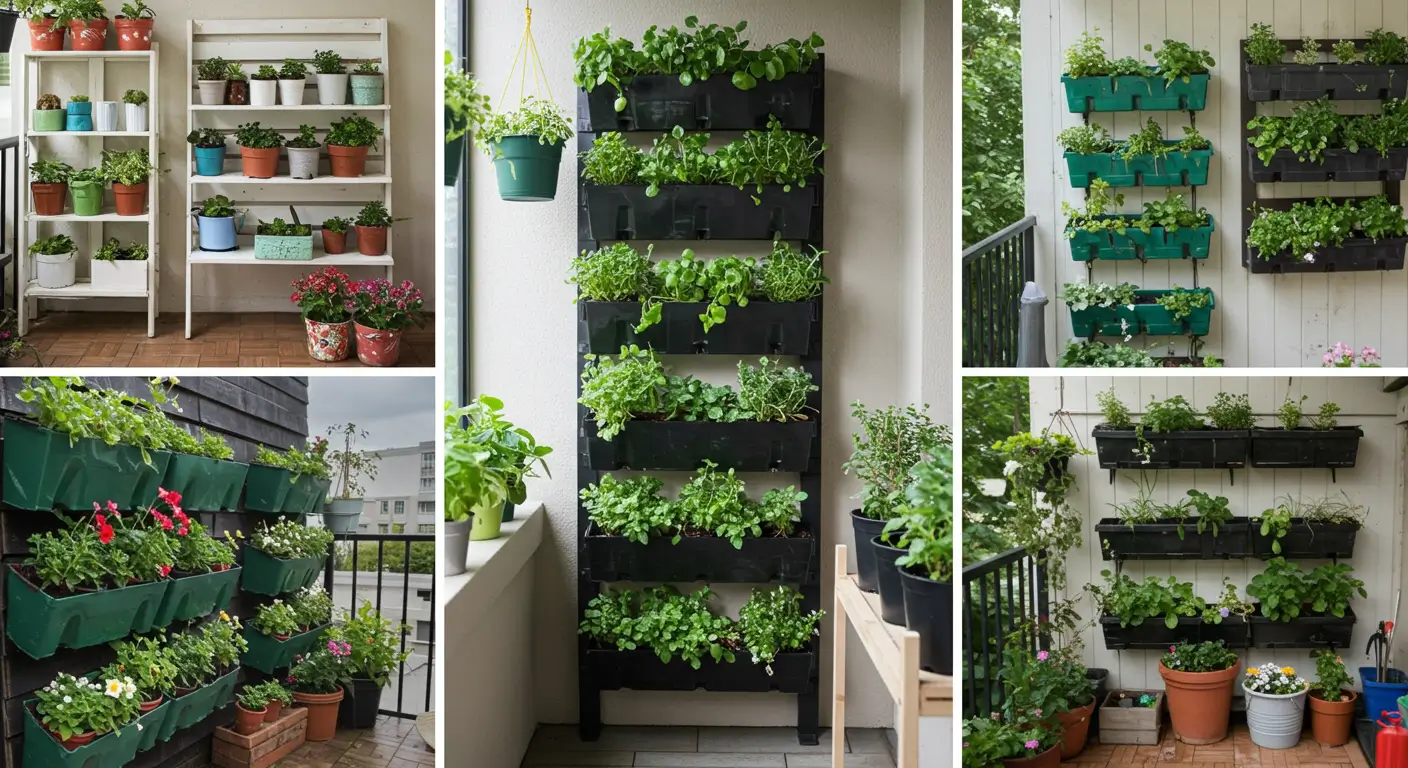
Small-space option: Cold frames and grow racks can be a “mini greenhouse” approach if you don’t have room for a full structure.
Covering + flooring choices
Covering choice affects cost, durability, and heat retention—so it’s worth thinking through before buying or building.
- Glass: traditional, easy to maintain; tempered glass is stronger.
- Fiberglass: strong and lightweight (quality matters).
- Plastic film: inexpensive but shorter lifespan (often 1–3 years).
- Double-wall plastic: better heat retention and can reduce energy use significantly.
Flooring matters too: a central walkway (concrete, gravel, or stone) plus gravel under plant areas can support drainage.
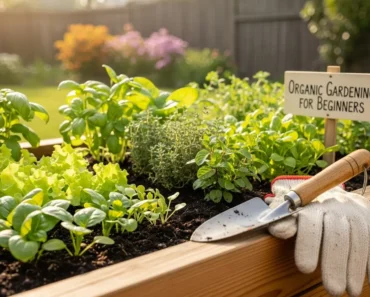
Related Post: Organic Gardening for Beginners
Temperature, airflow, and automation
Successful greenhouse growing is mostly climate management: heat when needed, cool when needed, and keep air moving.
Temperature styles (choose your goal)
- Cool: around 40°F (good for seedlings and storage).
- Warm: around 50°F (many outdoor plants can overwinter).
- Hot: 70°F+ (tropical plants; may need extra equipment).
Core systems
- Heating: you’ll likely need more than sunlight; electric heaters are one suggested option.
- Cooling: an evaporative cooler can reduce heat and increase humidity.
- Air circulation: fans help keep temperatures uniform (even in winter).
- Ventilation: roof vents plus side inlet vents support airflow.
- Controllers: automation can help manage fast-changing weather and moisture levels.
Watering + plant health tips
Watering (avoid shocking your plants)
- Use room-temperature water to avoid injuring plants.
- If using tap water, letting it sit for a day can help reduce chlorine.
Nutrients your plants rely on
The guide highlights core nutrients (nitrogen, potassium, phosphorus) and trace elements like calcium, iron, and magnesium, with example sources like compost, seaweed, manure, and rock phosphate.
Extra practical tips
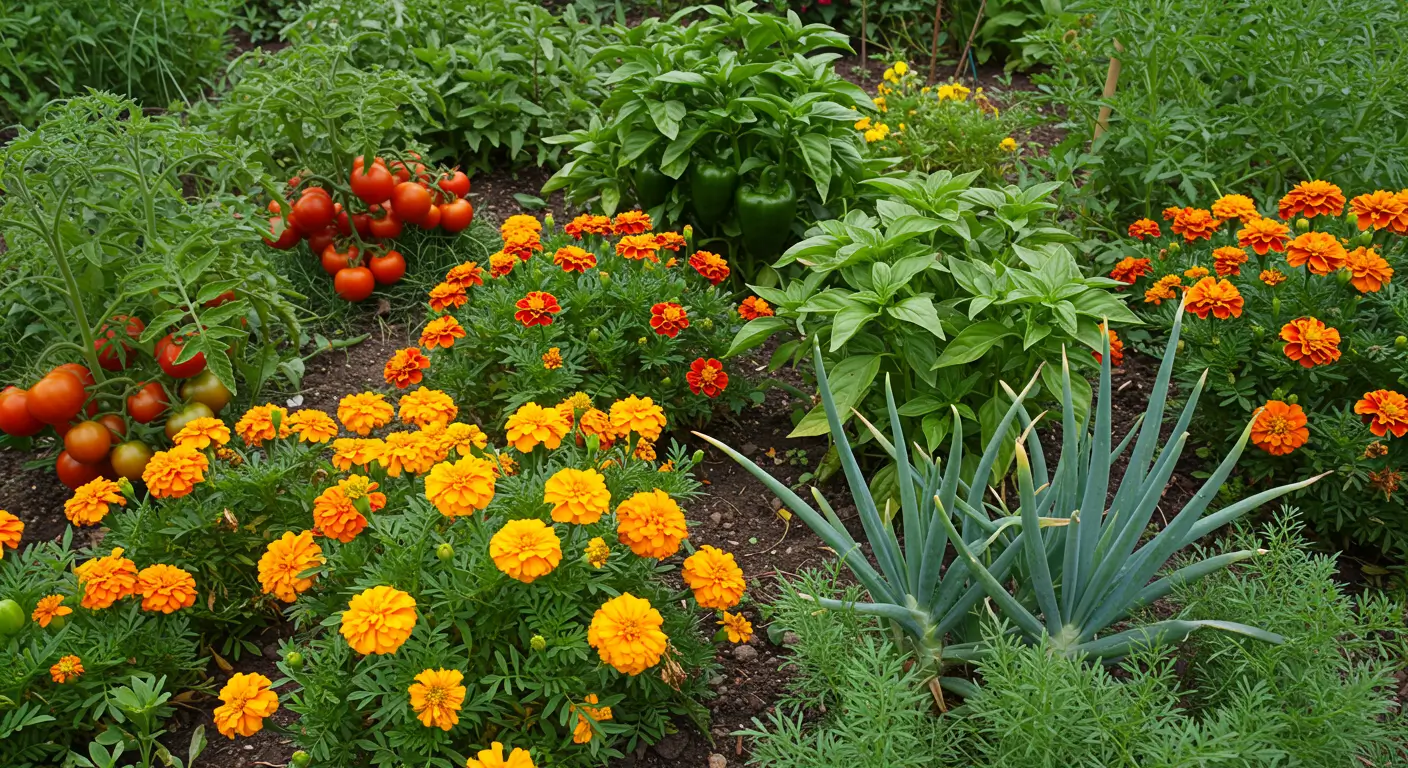
- Herbs can be helpful in greenhouses and may repel insects.
- Crushed eggshells can be added around plants, and coffee grounds can add acidity.
- Transplants can experience shock—gradually acclimate them and protect them at night until adapted.
- Wash edible harvests thoroughly before eating.
Key Takeaways:
- ✓Put your greenhouse where it gets strong sunlight, with reliable water access and good drainage.
- ✓Climate control is the game: heat, cool, ventilate, and circulate air consistently.
- ✓Water gently (room temp) and keep plant health simple: steady care beats complicated hacks.
Final Thoughts
A greenhouse becomes “easy” once you nail the fundamentals: light + water + drainage, then temperature + airflow control.
Want this turned into a 7-post series (setup → climate control → watering → pests → soil → crops → troubleshooting)?
Reply: “greenhouse series” + your greenhouse type (example: “greenhouse series hoop house”).