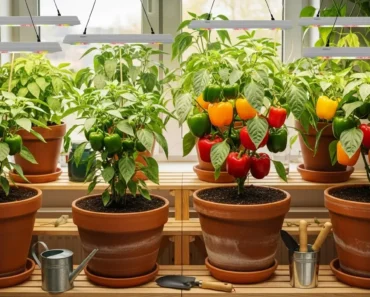
Organic Gardening for Beginners: A Simple Step-by-Step Start
Healthy soil, natural methods, and a garden that gets better every season.
Organic gardening isn’t about “perfect” plants—it’s about building a healthier system so your garden can thrive without synthetic chemicals.
Organic gardening means growing plants using natural inputs and avoiding synthetic products like chemical fertilizers and pesticides.
The foundation is simple: feed the soil with organic matter, and the soil will feed your plants over time.
Organic gardening basics
Organic gardening focuses on natural growing methods: compost, mulch, and other organic materials support plant growth instead of synthetic chemicals.
Organic matter: what it is
Organic matter is decaying plant/animal material—examples include grass clippings, dried leaves, compost, and kitchen scraps—and it’s used to condition and improve soil.
Why soil matters most
A central idea is “feed the soil, and the soil feeds the plant,” because plants get water, nutrients, and air through the soil.
Plan your garden (and stay flexible)
Planning strongly affects success because it helps you choose what to plant, how much space you need, and how to manage the season.
- Explore design possibilities (layout, paths, and what fits your space).
- Think long-term (what your garden should look like over the coming years).
- Stay flexible and adjust as conditions change.
- Plan planting schedules so you know what’s planted and what’s next.
Tip: A “good plan” makes organic gardening feel like a joy—not a stressful project.
Tools you actually need
A few reliable tools make organic gardening easier—digging, weeding, pruning, and harvesting all go faster with the right basics.
- Hand trowel: planting and small digging tasks.
- Digging fork: loosening compact soil and turning compost.
- Hoe + hand cultivator: weeding and prepping soil surfaces.
- Rake: cleaning leaves and smoothing beds.
- Bypass pruners: shaping, deadheading, and cutting.
- Gloves + sharp knife: protection and harvesting prep.
Mulch: the underrated superpower
Mulch helps suppress weeds, retain moisture, protect soil from temperature extremes, and reduce erosion—plus organic mulch improves soil structure over time.
DIY mulch (simple approach)
- Choose a flat area for a mulch pile and gather leaves as a base.
- Chop leaves into smaller pieces and add wood chips on top.
- Let it sit through winter, then apply about 2 inches in spring.
- Add more organic layers in fall to help protect plants in colder weather.
Related Post: Greenhouse Gardening Tips: How to Grow More
Natural pest control
Organic gardening accepts that pests happen, so the first line of defense is vigilance—inspect plants regularly and act early.
Natural pest control can include biological approaches and natural products that reduce pests without harming the environment the way broad chemical controls can.
- Neem oil: commonly used to control insects that chew plants.
- Diatomaceous earth: a powder used to deter/kill crawling pests.
Organic fertilizer basics
Organic fertilizers come from animals, plants, or mined minerals, and they feed soil organisms that turn nutrients into forms plants can use.
Because they take time to break down, organic fertilizers are often best applied months before planting so soil microbes can process them.
Examples of organic fertilizers
- Animal-based fertilizers and composted manures.
- Plant-based options (like seaweed/kelp and meals).
- Mined minerals (like gypsum, limestone, soft-rock phosphate).
- Fish products (fish meal/emulsion) often higher in nitrogen.
Planting + harvesting tips
Planting (seeds + transplants)
- Follow seed packet depth/spacing guidance, then water after planting.
- Work soil when it’s moist (not soggy) so it’s easier to handle.
- For transplants, loosen circling roots and keep the plant base level with soil surface, then water immediately.
Harvesting (better timing = better taste)
Harvest timing depends on the crop (tender greens early, fruit when ripe, storage crops at maturity) and conditions like temperature and day length.
Early morning harvesting is often recommended because plants are cooler and hold more water, making produce crisper.
What to avoid
- Overcrowding: plants compete for light, water, and nutrients—space them correctly.
- Ignoring soil health: keep enriching with compost/organic matter.
- Planting too early or too late: soil temperature affects growth and success.
- Watering incorrectly: water deeply, avoid constantly wet leaves, and water near the soil level.
- Ignoring problems: pests/weeds can escalate fast, so handle issues early.
Key Takeaways:
- ✓Organic gardening works best when you build soil health with compost and mulch.
- ✓Natural pest control starts with early detection and gentle interventions.
- ✓Better planning + correct timing = healthier plants and better harvests.
Final Thoughts
Organic gardening is a sustainable approach that improves soil, reduces chemical exposure, and can produce fresher, better-tasting food—especially when you stay consistent season after season.
Want this split into a 10-part blog series (one post per chapter)?
Reply: “series” + your audience (example: “series small balcony gardeners”).