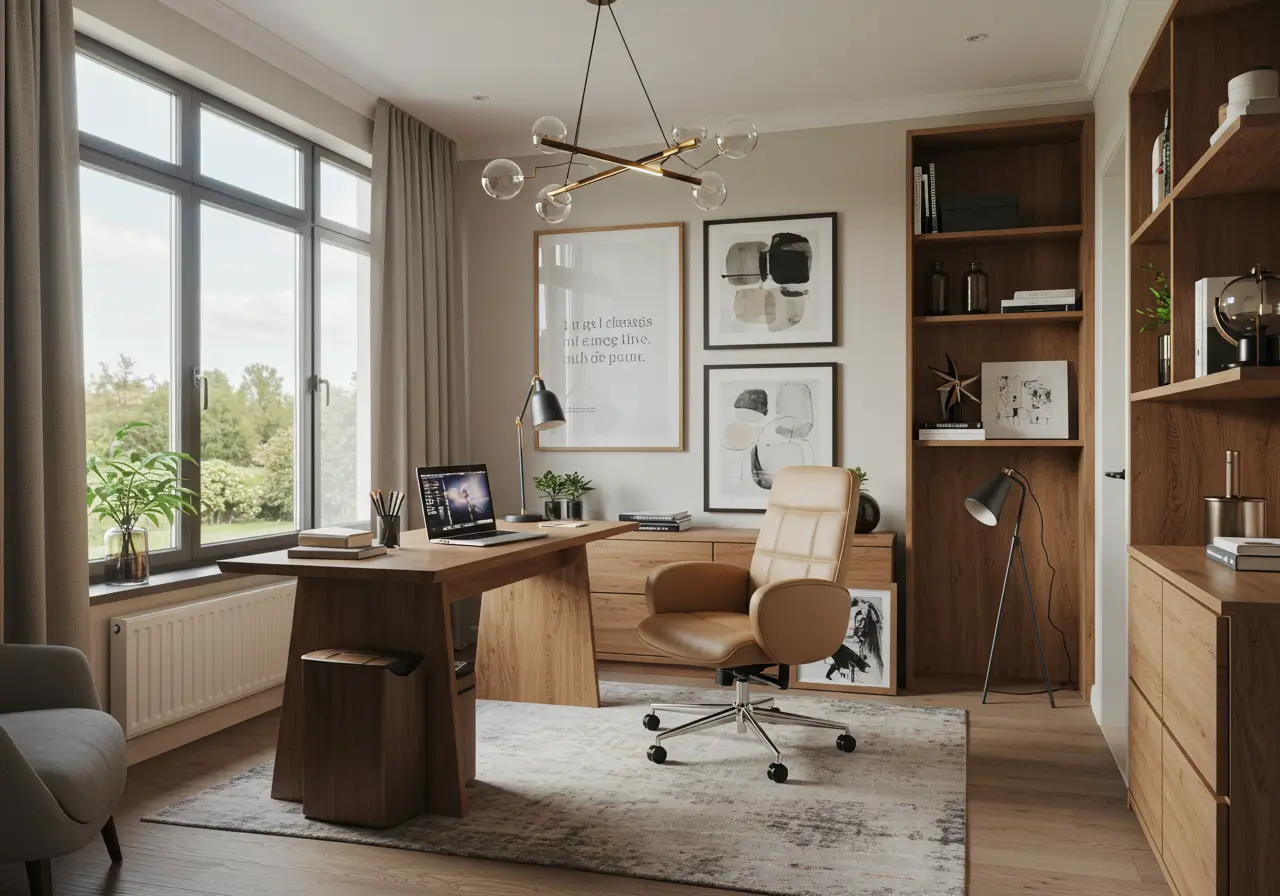
Why do some room makeovers transform spaces into personal sanctuaries while others leave homeowners disappointed despite similar budgets and effort?
Room Makeovers: The Complete 2026 Guide to Transforming Your Home
Room makeovers refresh your living spaces, transforming them into functional, inviting environments that reflect your evolving lifestyle needs. In the United States, homeowners prioritize thoughtful updates to align with shifting demands, whether creating dedicated remote work areas, designing family gathering spaces, or crafting personal retreats for relaxation and rejuvenation. A well-executed room makeover boosts home value while enhancing daily comfort and satisfaction in measurable ways.
In 2026, design trends emphasize earthy color palettes, sustainable materials, and bold textural contrasts that create warm, modern environments resonating with American aesthetic preferences. These elements combine to produce spaces that feel both current and timeless, avoiding the dated appearance that plagues trend-chasing designs. The focus shifts from temporary fads to enduring principles that serve homeowners for years rather than seasons.
Small, strategic changes deliver impressive results without requiring complete renovations. Simple updates like repainting accent walls, rearranging existing furniture to improve flow, or adding statement lighting fixtures transform rooms without breaking budgets. Homeowners discover joy in spaces that authentically reflect their personality and support their daily activities. Recent surveys reveal 68% of U.S. homeowners plan DIY room makeover projects in 2026, driven by budget-conscious and eco-conscious goals that prioritize value over excess.
Successful room makeovers don’t require gutting entire spaces or hiring expensive contractors. Focus your efforts on high-use areas like living rooms where families gather for entertainment and connection, or bedrooms that serve as restful escapes from daily stress. Kitchens benefit from functional tweaks like installing open shelving that displays beautiful dishware while improving accessibility. These targeted updates cater to hybrid lifestyles that blend work, leisure, family time, and personal pursuits within the same home. Through thoughtful planning and strategic execution, you create spaces that feel fresh, purposeful, and uniquely yours.
Understanding Room Makeovers in the American Home Context
Room makeovers represent strategic interventions that update existing spaces rather than complete reconstructions. This approach makes home improvement accessible to average homeowners working with realistic budgets and timeframes. Unlike full renovations requiring permits, contractors, and months of disruption, room makeovers focus on cosmetic and functional updates that deliver immediate visual and practical impact.
The American home improvement market reached $420 billion in 2025, with DIY room makeovers representing the fastest-growing segment. This growth reflects shifting priorities—homeowners invest in personalization over property flipping, creating spaces they’ll enjoy rather than generic upgrades aimed at future buyers. The pandemic’s lasting impact shows in how Americans view their homes: 78% now consider their residence a reflection of personal identity rather than just shelter.
The Psychology Behind Successful Room Transformations
Room makeovers succeed when they address both aesthetic desires and functional needs. Spaces must look appealing while supporting daily activities without frustration. A beautiful dining room fails if the table crowds the space, preventing comfortable movement. A stunning bedroom disappoints if inadequate storage forces clutter onto surfaces. Successful makeovers balance form and function through careful planning that considers how you actually use each room.
Environmental psychology research shows room design impacts mood, productivity, and relationships. Natural light exposure improves sleep quality and mental health. Organized spaces reduce stress and increase focus. Comfortable seating arrangements encourage family interaction. These findings explain why room makeovers generate such satisfaction—they create environments that support wellbeing at fundamental psychological levels rather than just looking good in photos.
Top Trends Shaping Room Makeovers in 2026
2026 brings exciting developments for room makeovers that balance aesthetic innovation with practical functionality. Designers across the United States highlight natural tones, tactile surfaces, and eco-friendly choices as dominant themes. These trends suit American homes seeking equilibrium between visual style and everyday practicality, creating spaces that photograph beautifully while serving real-world needs.
Color Palettes and Textural Depth
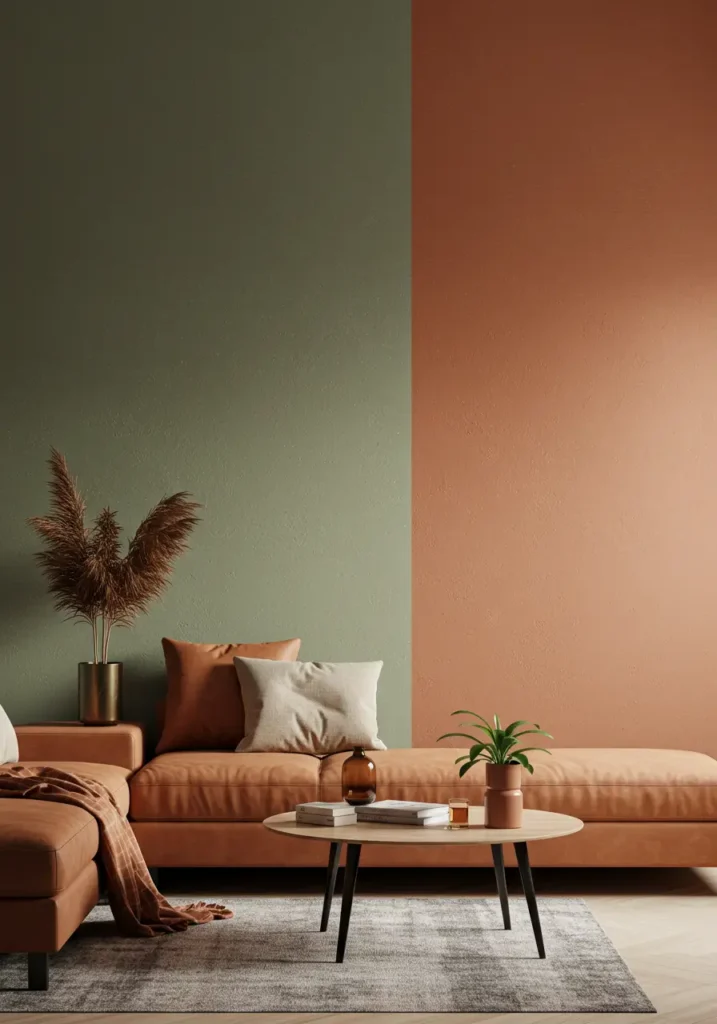
Embrace earthy hues like terracotta, sage green, and warm taupe that ground spaces in natural beauty. These colors create calm, welcoming atmospheres that reduce visual stress while remaining stylish and current. Terracotta brings warmth to living rooms through accent walls or furniture upholstery. Sage green soothes bedrooms, promoting relaxation and quality sleep. Taupe serves as versatile neutral that coordinates with virtually any accent color.
Add dimensional interest through textured walls using plaster techniques, fabric wall panels, or contemporary wallpaper designs. Textured surfaces catch light differently throughout the day, creating visual movement that prevents flat, boring rooms. Venetian plaster delivers Old World elegance through subtle color variations and soft sheen. Grasscloth wallpaper introduces natural texture while remaining neutral enough for long-term enjoyment. These applications require minimal maintenance while delivering maximum visual impact.
The color psychology behind these choices matters for successful room makeovers. Terracotta’s orange undertones stimulate creativity and social interaction, perfect for gathering spaces. Sage green’s blue-green balance promotes tranquility without coldness. Taupe’s brown base provides grounding stability while remaining light enough to brighten rooms. Understanding these psychological effects helps you select colors that support your intended room function rather than just following trends without purpose.
Sustainable and Upcycled Decor Solutions
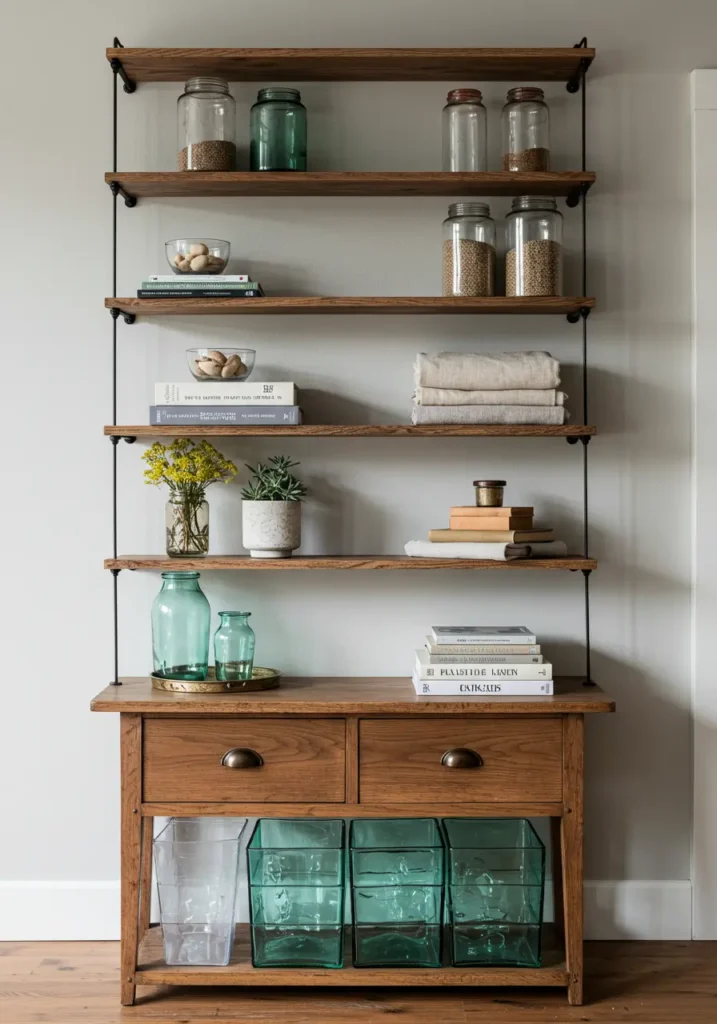
Sustainable materials dominate 2026 room makeovers as environmental awareness shapes consumer choices. These options reduce ecological impact while creating healthier indoor environments free from harmful chemicals and off-gassing materials. The following elements lead sustainable design trends:
- Reclaimed wood for shelving and furniture: Salvaged lumber from old barns, factories, or demolished buildings provides character-rich material with unique patina and history
- Organic cotton or linen textiles: Chemical-free fabrics feel softer against skin while avoiding pesticide residues associated with conventional cotton production
- Upcycled thrift store furniture: Repurposed pieces reduce waste while offering one-of-a-kind items unavailable through retail channels
- Low-VOC paints for healthier air quality: Water-based formulas emit fewer volatile organic compounds that cause headaches, respiratory irritation, and long-term health concerns
- Recycled glass accents and decor: Repurposed glass bottles, jars, and windows create unique decorative elements while diverting waste from landfills
Reclaimed wood brings rustic charm through visible grain patterns, nail holes, and weathering that mass-produced lumber lacks. Each board tells stories through its imperfections, adding depth and authenticity to room makeovers. Organic textiles feel noticeably softer and breathe better than synthetic alternatives, improving comfort in bedrooms and living spaces. Thrifted furniture pieces offer solid construction from eras when craftsmanship mattered more than profit margins, often outperforming contemporary particleboard alternatives.
Low-VOC paints protect indoor air quality, crucial for households with children, elderly residents, or anyone with chemical sensitivities. These formulas dry faster with minimal odor while providing excellent coverage and durability. Recycled glass elements reflect and refract light beautifully, brightening rooms while supporting circular economy principles. These sustainable choices align with the 2026 shift toward environmental responsibility, appealing to eco-conscious Americans who refuse to compromise values for aesthetics.
Creative Accents That Express Personality
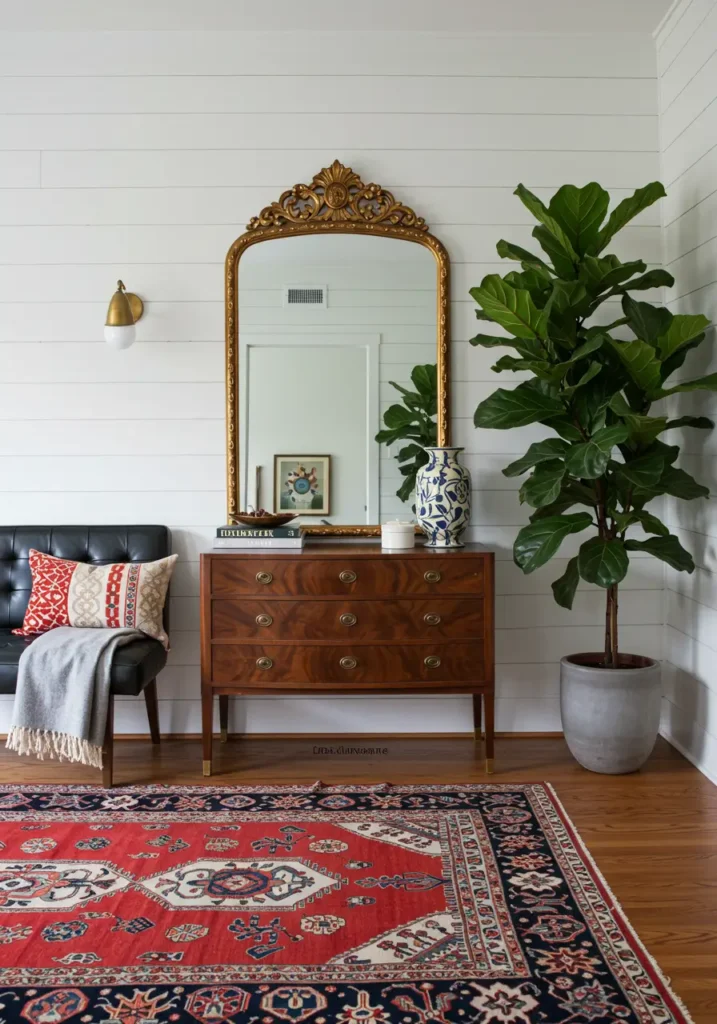
Statement pieces transform generic rooms into personal spaces reflecting individual taste and experiences. These accents prevent the sterile, showroom appearance that makes houses feel unlived-in and impersonal. Bold area rugs anchor furniture groupings while introducing color, pattern, and texture that tie disparate elements together. Vintage mirrors create focal points while expanding perceived space through reflection, making rooms feel larger and brighter.
Indoor plants add life, color, and air purification to room makeovers. Varieties like fiddle-leaf figs make dramatic vertical statements in corners. Snake plants tolerate low light and neglect, perfect for busy homeowners. Pothos vines soften hard edges when trained along shelves or hanging from macrame holders. Plants improve air quality by filtering toxins while reducing stress through connection with nature—benefits that extend beyond visual appeal.
These creative touches make spaces feel genuinely personal and welcoming rather than decorated by committee or copied from magazines. A vintage mirror from an estate sale carries history and character that new replicas lack. A handwoven rug from local artisans supports craft traditions while ensuring no one else owns an identical piece. Plants you nurture create living connections that change with seasons, keeping rooms dynamic rather than static. These elements distinguish truly successful room makeovers from superficial updates that lack soul or staying power.
Trend Spotlight: Strategic Pattern Play
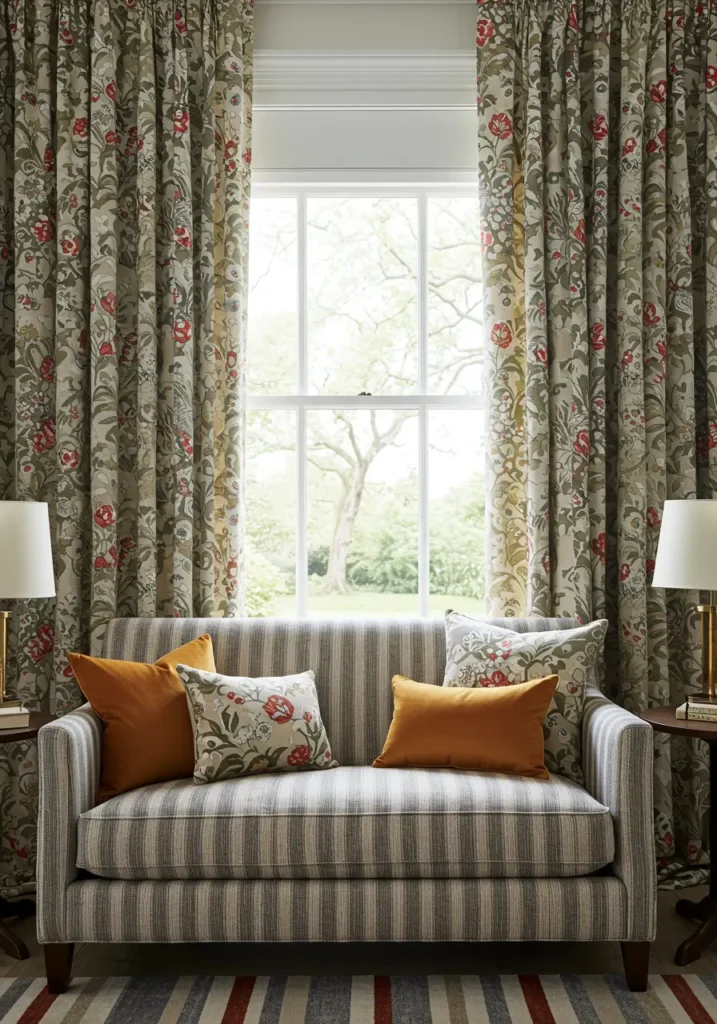
Mix complementary patterns like stripes and florals with restraint to avoid visual chaos. Successful pattern combinations share color families or style aesthetics that create cohesion despite different designs. Use patterns in cushions, curtains, or upholstered furniture for controlled impact that adds energy without overwhelming senses. Start with one dominant pattern in larger doses, then layer secondary patterns in smaller amounts as accents.
Pattern-drenching—coating entire rooms in coordinated patterns—emerges as a bold 2026 favorite for adventurous homeowners. This approach works when patterns share scales and colors, creating immersive environments rather than competing chaos. Pair a striped area rug with tonal floral throw pillows that echo stripe colors. Add geometric curtains in similar hues to complete the look. Limit combinations to two or three patterns maximum for balance that feels intentional rather than accidental.
This trend suits homeowners wanting bold, personality-filled rooms that make statements while maintaining livability. The key involves choosing patterns you genuinely love rather than forcing trends that don’t resonate with your aesthetic preferences. Successful pattern play creates visual interest and sophisticated complexity that prevents rooms from feeling boring or generic, distinguishing your space from cookie-cutter designs that lack character.
Related Reading: Floating Shelves Wood: 15 Genius DIY Ideas for Your Home — Discover how floating shelves enhance room makeovers through functional storage and decorative displays.
Which 2026 room makeover trend resonates most with your personal style—earthy color palettes, sustainable materials, or bold pattern mixing? Share your favorite approach and why it appeals to you in the comments below!
Common Challenges in Room Makeovers and Practical Solutions
Room makeovers face predictable obstacles that discourage homeowners from attempting projects or cause frustration during execution. Address these challenges proactively through smart planning and evidence-based strategies that prevent common pitfalls. Understanding typical problems before they occur allows you to design solutions into your project from the beginning rather than making expensive corrections later.
Cramped or Awkward Spatial Configurations
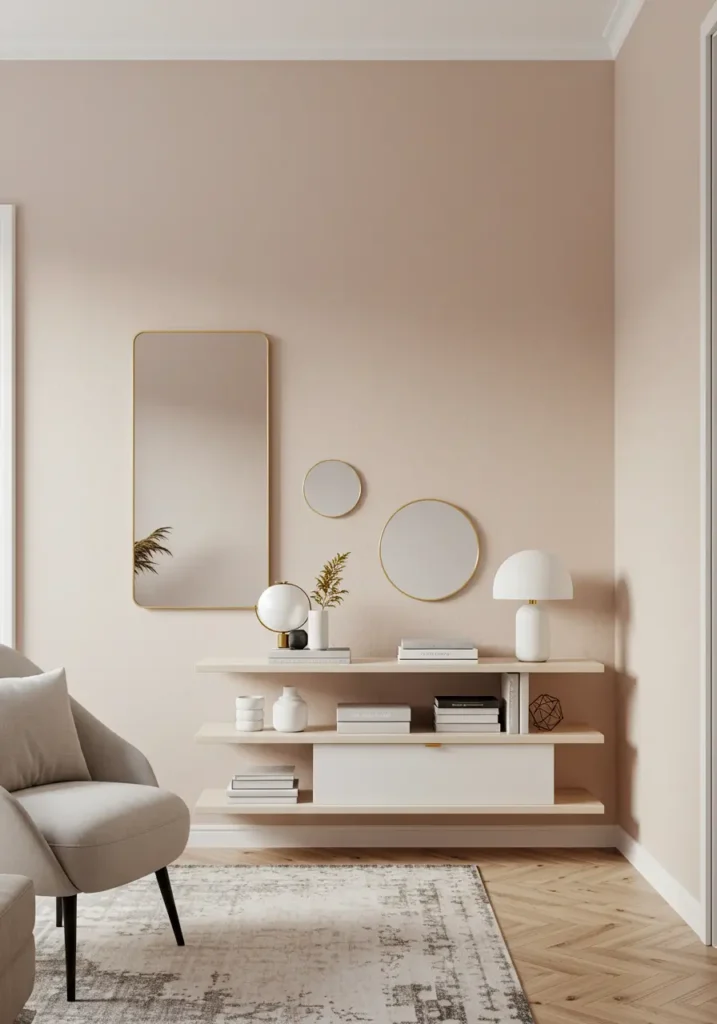
Small rooms present unique design challenges that require strategic solutions beyond simply cramming in furniture. These spaces feel oppressive when treated like larger rooms on reduced scale. Instead, use light colors that reflect illumination, making walls appear to recede visually. Paint ceilings lighter than walls to increase perceived height. Choose furniture with exposed legs rather than skirted pieces that create heavy visual weight.
Mirrors work magic in compact spaces by reflecting both natural and artificial light while creating depth illusions. Position mirrors across from windows to double available daylight. Use large mirrors rather than collections of small ones for maximum impact. Consider mirrored furniture pieces like console tables or dressers that disappear visually while providing essential function. In 2026, 40% of American homes measure under 1,800 square feet, making space-maximizing tricks essential rather than optional.
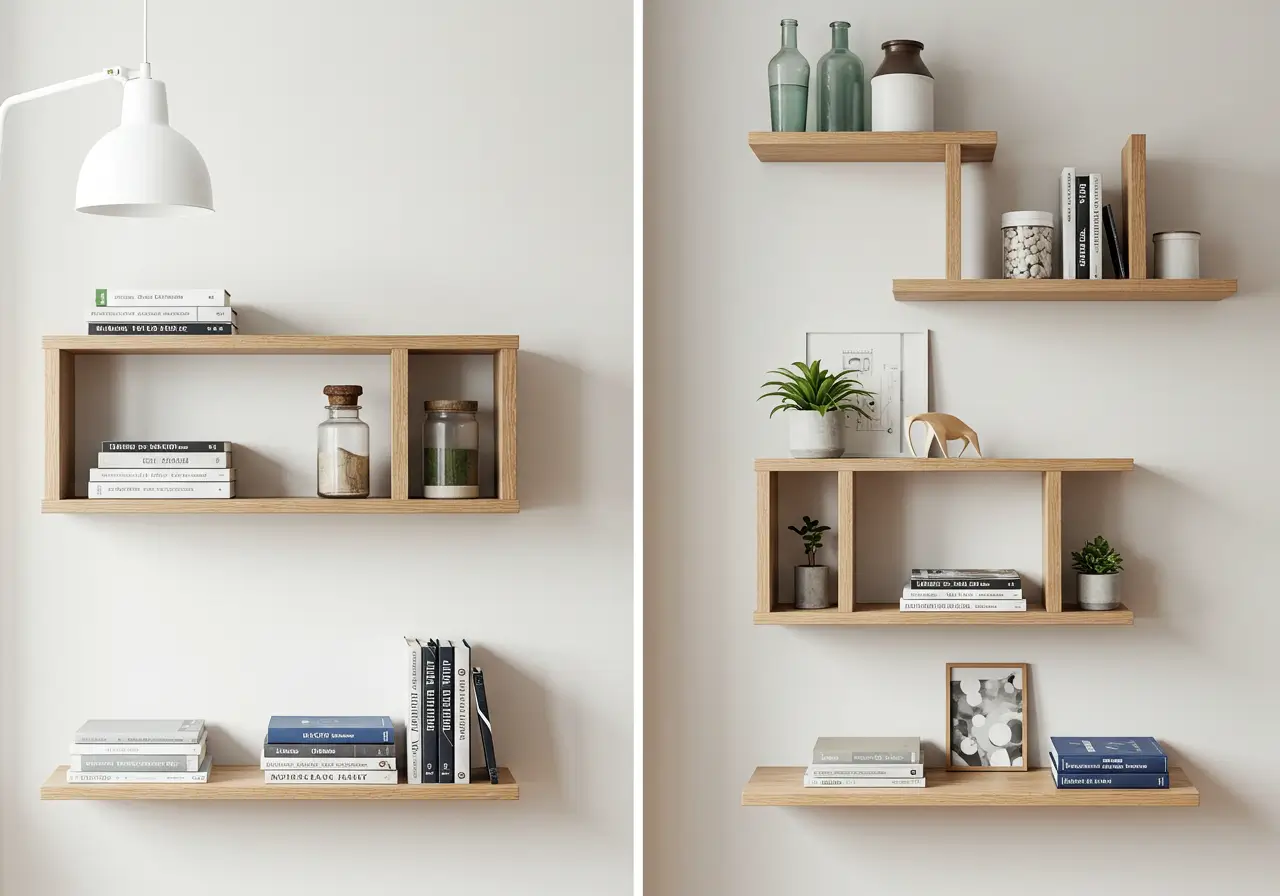
Floating shelves provide crucial storage without consuming floor space or blocking sight lines. Mount them high to draw eyes upward, emphasizing vertical dimensions. Use consistent colors between walls and shelving to create seamless integration rather than choppy interruptions. Choose furniture with built-in storage like ottoman cubes or beds with under-frame drawers that eliminate need for space-consuming separate storage units.
Inadequate or Poorly Planned Lighting
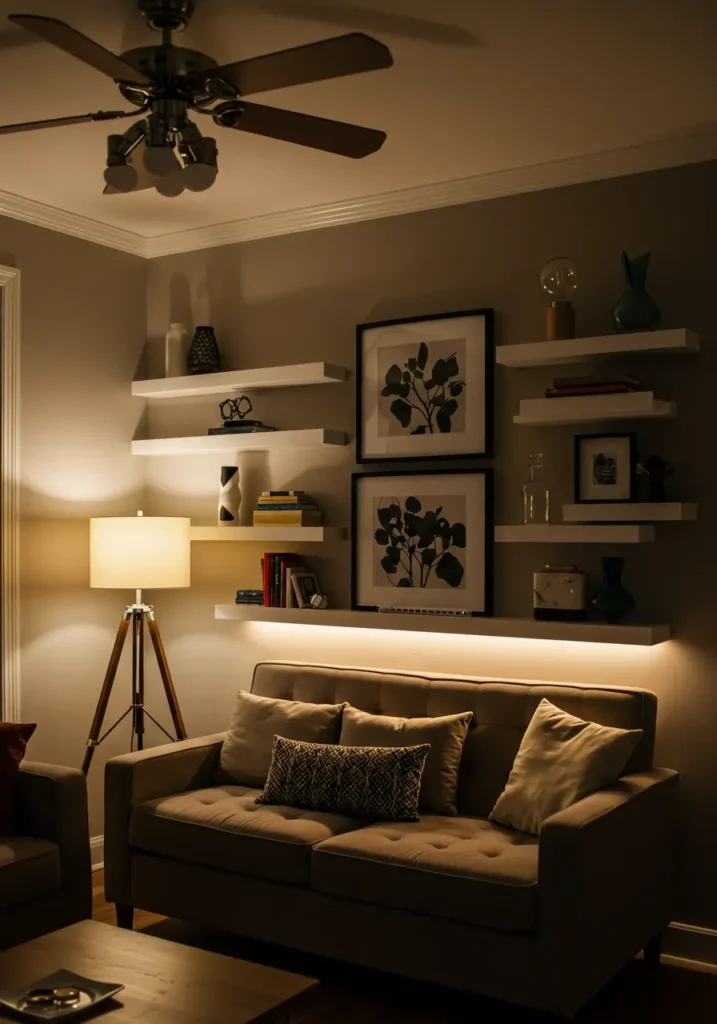
Dim rooms feel uninviting regardless of other design elements. Proper lighting requires layering different sources rather than relying on single overhead fixtures. Combine ambient lighting (ceiling fixtures providing overall illumination), task lighting (focused light for specific activities like reading), and accent lighting (decorative elements highlighting architectural features or artwork). This three-tier approach creates flexible, functional environments adaptable to different activities and moods.
LED strip lights mounted under shelves, inside cabinets, or along baseboards add warmth and visual interest without consuming space or requiring major electrical work. These subtle lights transform rooms after dark while remaining invisible during daytime. Floor lamps and table lamps fill dark corners and provide adjustable task lighting without permanent installation. Choose fixtures with three-way bulbs or dimmer switches for mood control.
Poor lighting accounts for 30% of homeowner complaints about room makeovers, making it a critical element requiring careful planning. Natural light maximization through appropriate window treatments prevents blocking valuable daylight. Sheer curtains filter harsh direct sun while maintaining brightness. Adjustable blinds offer precise light control throughout the day. Strategic mirror placement bounces natural light deeper into rooms, reducing dependence on artificial sources.
Furniture Scale and Proportion Errors
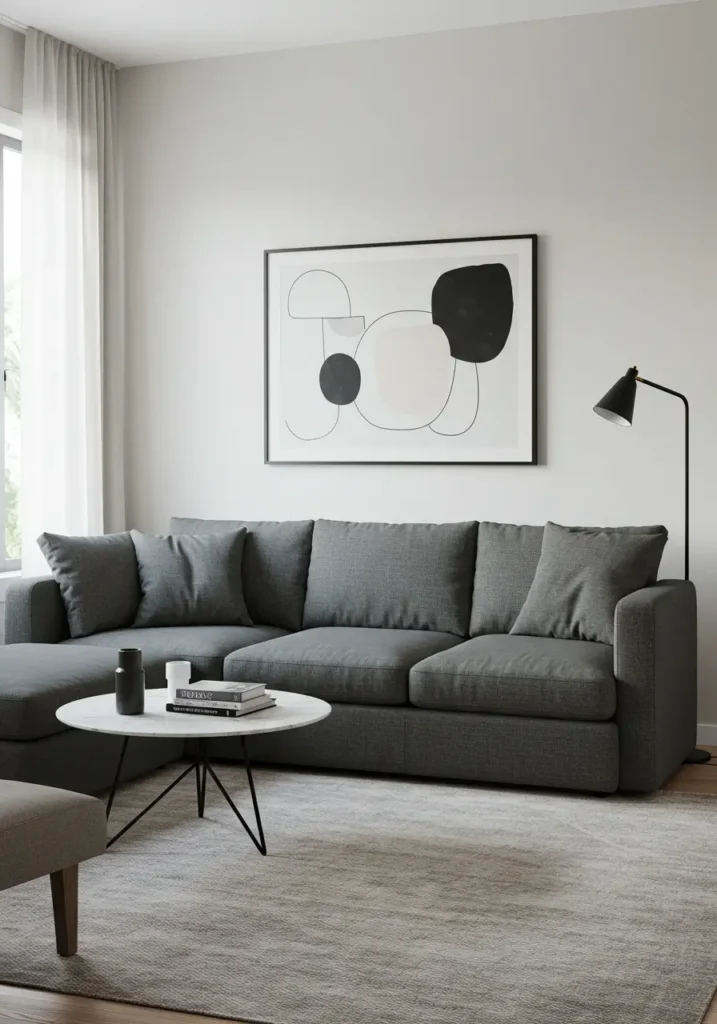
Oversized furniture pieces crowd rooms, blocking natural traffic patterns and creating frustration during daily use. A sofa too large for its wall dominates disproportionately, preventing balanced arrangements. Coffee tables that extend too far obstruct movement between seating and room entrances. These scale mistakes happen when homeowners purchase furniture without measuring spaces carefully or visualizing pieces in their intended locations.
Measure rooms comprehensively before shopping, noting not just floor dimensions but also doorway widths, ceiling heights, and existing architectural features. Create floor plans using free apps or graph paper to test furniture arrangements before buying. Tape outlines on floors showing proposed furniture footprints to visualize scale in three dimensions. This planning prevents costly returns and ensures comfort in compact American homes where space efficiency matters.
Modular furniture adapts to changing needs and spaces through reconfigurable components. Sectional sofas separate into individual pieces for flexible arrangements. Nesting tables expand for entertaining then tuck away for daily living. This adaptability proves valuable in homes where room functions evolve—guest rooms becoming home offices, or dining areas converting to craft spaces. Investing in quality modular pieces costs more initially but provides long-term versatility that fixed furniture cannot match.
Comprehensive Challenge Solutions Reference
| Challenge | Root Cause | Effective Solution |
|---|---|---|
| Cluttered Appearance | Too many decorative items and insufficient storage | Declutter ruthlessly before decorating, donate unused items |
| Dated Aesthetic | Outdated color schemes from previous decades | Repaint with contemporary neutrals or trending earth tones |
| Poor Traffic Flow | Furniture blocking natural movement paths | Rearrange to create clear 3-foot walkways throughout |
| Budget Overruns | Impulse purchases without financial planning | Set detailed budget before starting, track all spending |
| Lack of Cohesion | Mixing too many unrelated styles and colors | Choose one dominant style, limit color palette to 3-4 hues |
These solutions address the most frequent obstacles homeowners encounter during room makeovers. Clutter hides potential and prevents spaces from showing their best features—remove it first before adding new elements. Neutral paint colors provide fresh foundations that modernize instantly while coordinating with various decor styles. Clear traffic paths improve daily function and prevent frustration when navigating rooms. Budgets guide spending decisions, preventing the regret that follows impulse purchases of items that don’t work once home.
Style cohesion creates rooms that feel professionally designed rather than haphazardly assembled. When every element connects through shared colors, styles, or themes, spaces achieve polish that elevates their perceived value and sophistication. These problem-solving strategies streamline room makeovers, ensuring functional and attractive results that serve homeowners well for years beyond initial completion.
Step-by-Step Guide to Successful Room Makeovers
Plan room makeovers with clear roadmaps that guide decisions from conception through completion. Following structured processes prevents the overwhelm that causes projects to stall or produce disappointing results. These steps apply whether you’re updating a single room or planning whole-house transformations, scaling appropriately to project scope.
Step 1: Define Your Vision and Purpose
Every successful room makeover begins with clear purpose definition. How will you use this space? What activities occur here daily? What moods should the room evoke? Answers shape all subsequent decisions about colors, furniture, and layout. Follow this systematic approach:
- Identify the room’s primary function: Is this a relaxation space, work area, family gathering spot, or multi-purpose zone? Primary purpose guides priority decisions.
- Choose a design style that resonates: Modern minimalism, bohemian eclectic, traditional elegance, or industrial chic—select aesthetics reflecting your authentic preferences, not fleeting trends.
- Create mood boards for visual inspiration: Use Pinterest, Instagram, or physical clippings to collect images representing your ideal space. Patterns emerge showing preferred colors, textures, and arrangements.
- Set realistic budgets with contingency funds: Research actual costs for materials and services, then add 15-20% buffer for unexpected expenses inevitable in home projects.
- Measure all dimensions meticulously: Record floor dimensions, ceiling heights, window sizes, doorway widths, and architectural features that affect furniture placement and design choices.
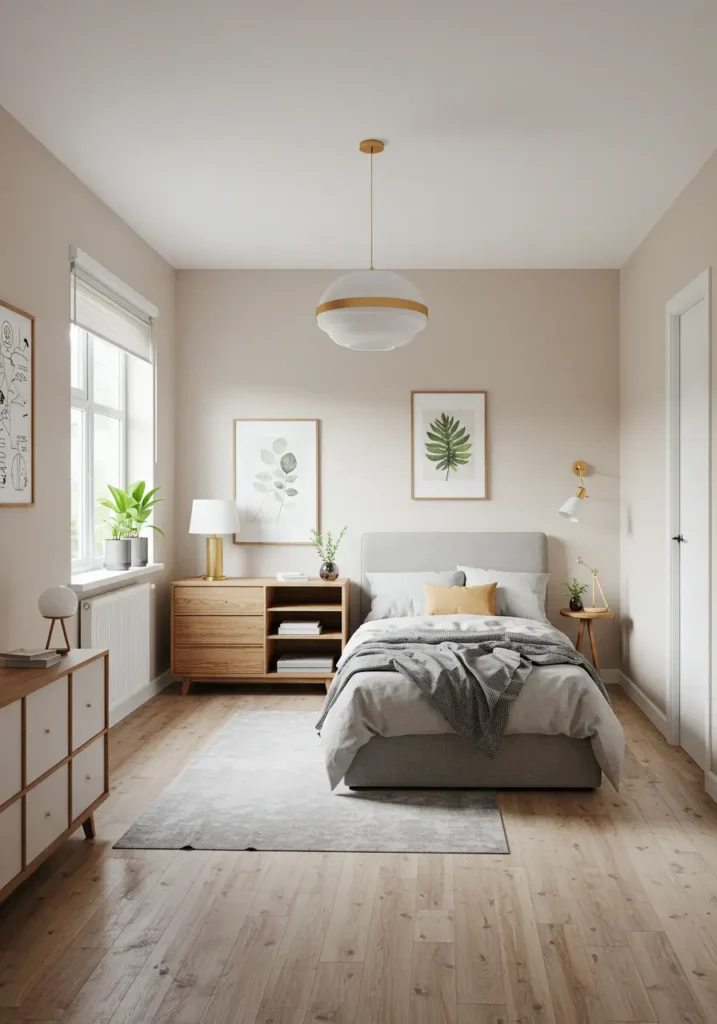
Purpose guides fundamental decisions during room makeovers. Bedrooms need calm, sleep-promoting environments with minimal visual stimulation. Kitchens require functional layouts prioritizing efficient work triangles between sink, stove, and refrigerator. Living rooms balance conversation areas with entertainment zones for television or music enjoyment. Home offices demand focused task lighting, ergonomic seating, and organized storage preventing distraction.
Style consistency creates cohesion preventing rooms from appearing thrown together randomly. When every element shares aesthetic DNA through related colors, materials, or design principles, spaces achieve professional polish. Mood boards spark ideas while revealing your authentic preferences rather than magazine-prescribed perfection. Budget discipline prevents the overspending that causes financial stress, ruining the joy room makeovers should deliver. Careful measurements avoid the frustration of furniture that doesn’t fit or curtains falling short of floor length. This foundation sets up success by addressing critical factors before investing time or money.
Step 2: Declutter and Organize Ruthlessly
Clear spaces before adding new elements. Remove unused items, broken objects, and decorations that no longer bring joy or serve purpose. Donate functional items to charity, recycle materials when possible, and discard genuine trash. This purging reveals your room’s actual potential, showing available space and highlighting architectural features hidden by clutter.
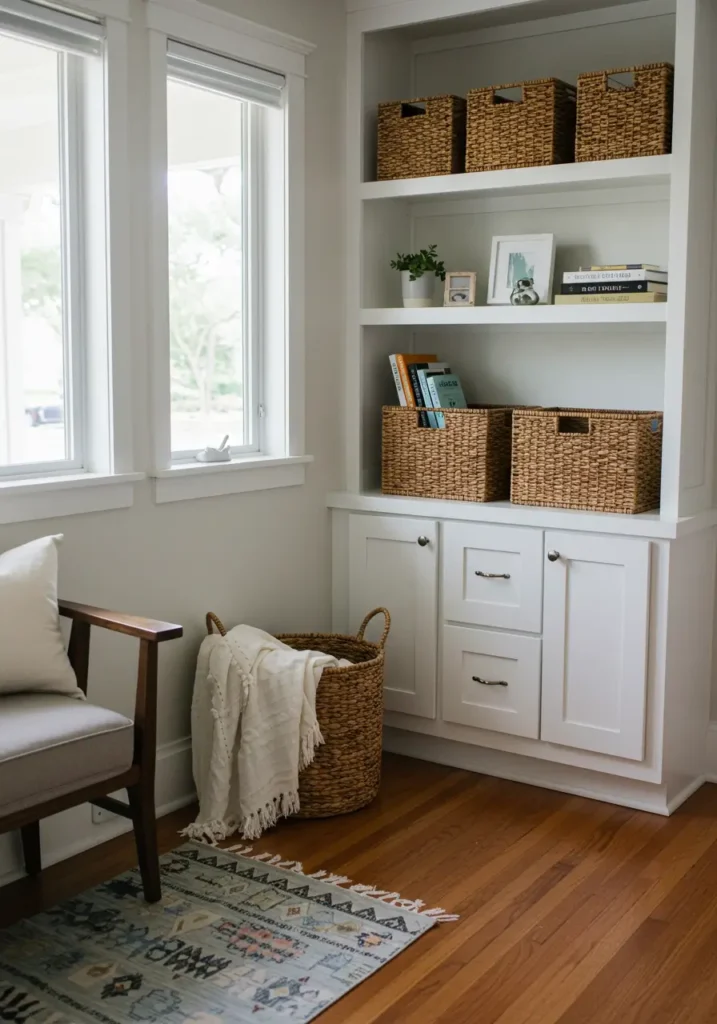
Add smart storage solutions that maintain organization long-term. Woven baskets contain loose items while adding texture and warmth. Built-in shelving maximizes vertical space without consuming floor area. Closet organization systems with adjustable components adapt to changing needs over time. Storage furniture like benches with hidden compartments or beds with drawers combines function with form.
A clutter-free room feels larger and more luxurious than identical spaces packed with possessions. This psychological effect comes from reduced visual noise—fewer objects competing for attention means calmer, more peaceful environments. Organized storage prevents future clutter accumulation by providing designated homes for belongings, making tidying effortless rather than overwhelming. This preparation step saves time during subsequent phases by eliminating obstacles and creating blank canvases ready for transformation.
Step 3: Execute Key Transformative Changes
Focus on high-impact updates that deliver maximum visual transformation relative to effort and expense. Paint walls in fresh colors that reflect your vision and current trends. Rearrange existing furniture to improve flow and function—this zero-cost change often produces dramatic improvements. Add soft textiles like curtains, throw pillows, and area rugs that introduce color, texture, and comfort.
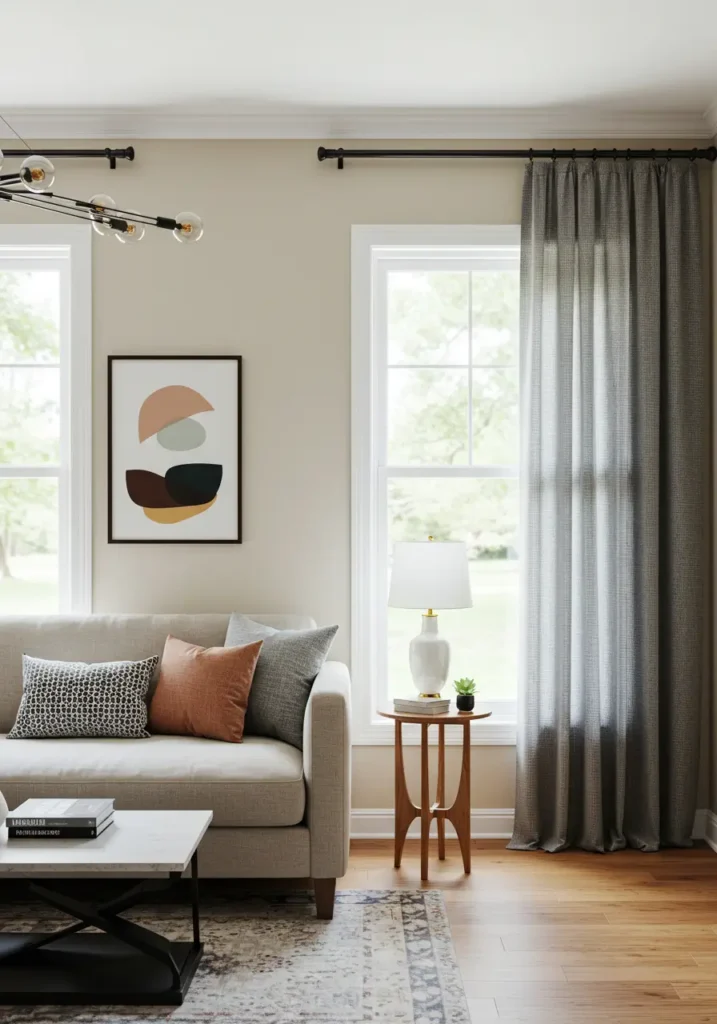
Paint transforms rooms faster than any other single intervention, typically completing in a weekend for average-sized spaces. Choose quality paint with good coverage to minimize required coats. Use painter’s tape for crisp edges and protect floors with drop cloths. Consider accent walls if whole-room color change feels too drastic—one bold wall creates focal points without overwhelming.
Furniture rearrangement tests different layouts without cost, letting you discover optimal configurations through experimentation. Try floating furniture away from walls to create intimate conversation groupings. Angle pieces on diagonals to soften rectangular room geometry. Position seating to face focal points like fireplaces or windows rather than defaulting to television-centric arrangements. These spatial experiments reveal how rooms work best for your specific needs and preferences.
Curtains add softness and height when mounted close to ceilings rather than just above window frames. This elevation draws eyes upward, making rooms appear taller and more spacious. Floor-length panels create elegant vertical lines that enhance proportions. Choose fabrics appropriate to function—sheer panels filter light in living areas while blackout linings ensure bedroom darkness for quality sleep. These strategic updates refresh spaces instantly while setting stages for subsequent refinements.
Room-Specific Makeover Strategies
Different rooms require tailored approaches that address their unique functions and challenges. These targeted strategies maximize impact in specific spaces:
- Bedroom Transformations: Add upholstered headboards creating focal points and padding for comfortable reading. Layer bedding with varying textures through quilts, throws, and decorative pillows that invite relaxation.
- Living Room Updates: Invest in statement sofas serving as room anchors. Hang bold artwork at eye level creating visual interest and conversation starters that reflect your personality.
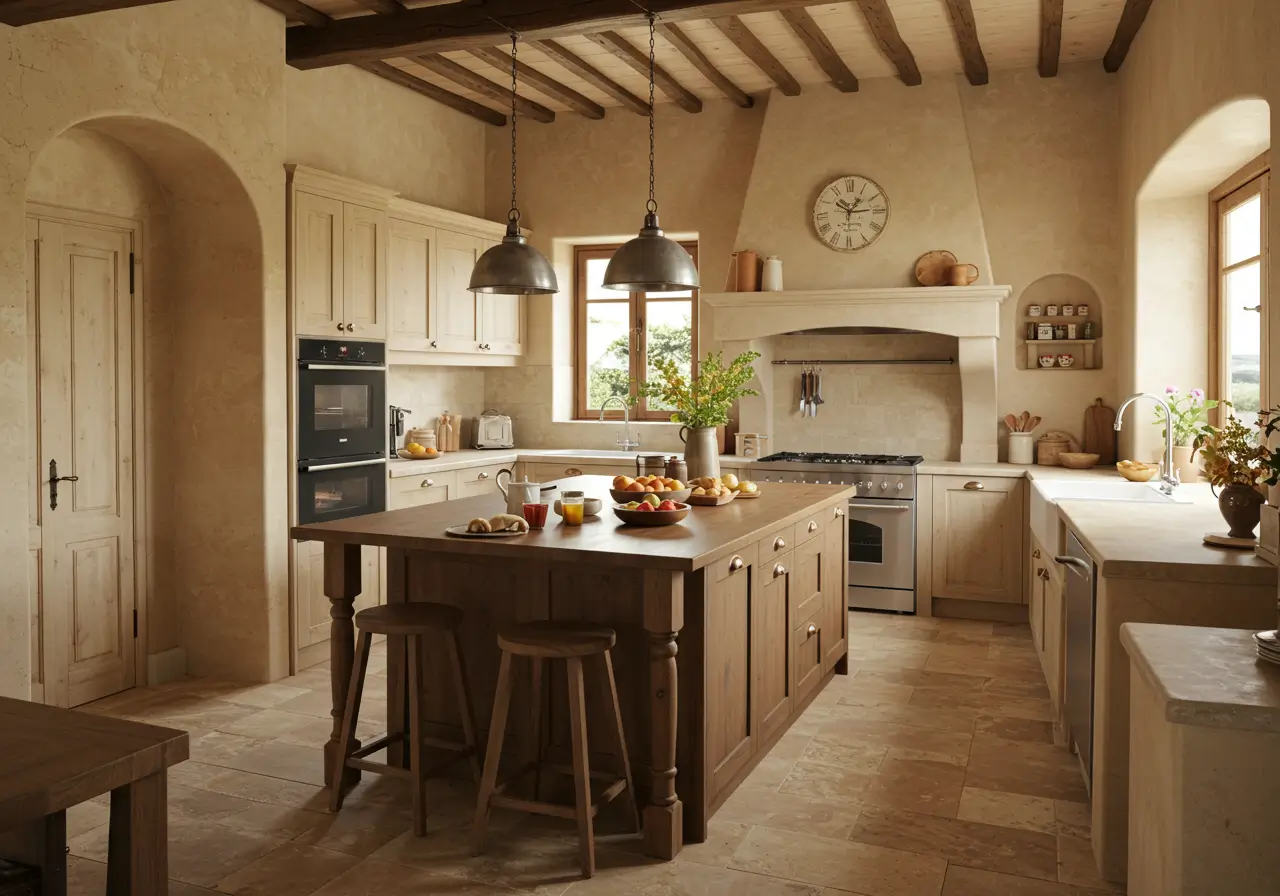
- Kitchen Refreshes: Install open shelving displaying beautiful dishware while improving accessibility. Replace outdated hardware on cabinets and drawers—this simple change delivers surprising impact for minimal investment.
- Bathroom Renovations: Update tile using peel-and-stick options requiring no special skills. Add plants tolerating humidity like pothos or ferns that soften hard surfaces while purifying air.
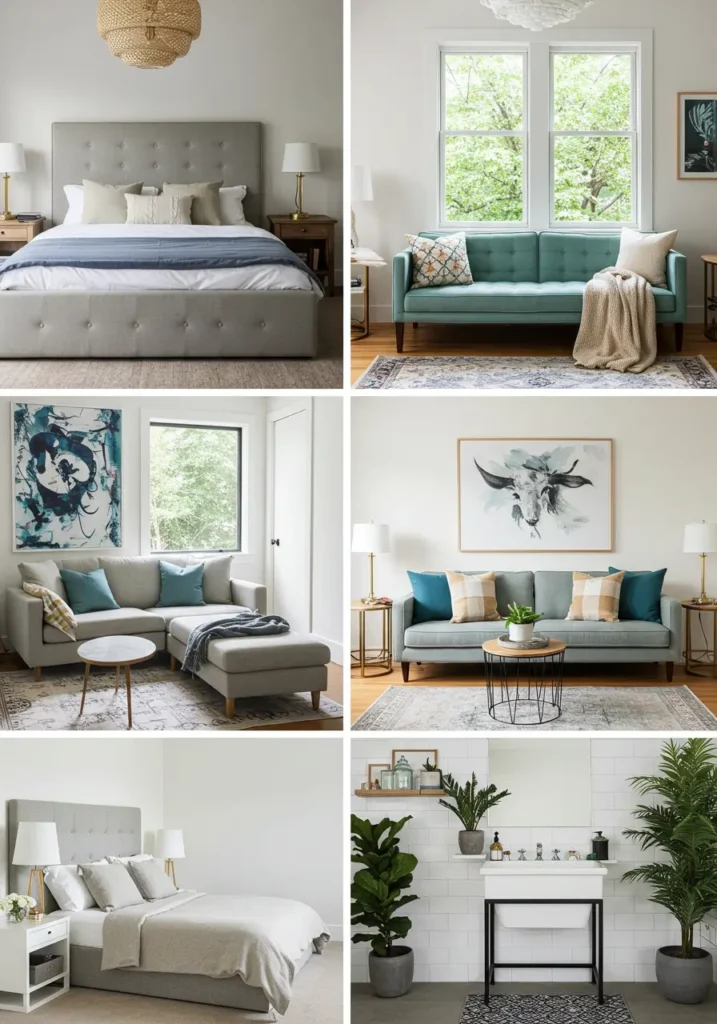
Headboards anchor bedroom designs while providing practical benefits for those who read or watch television in bed. Upholstered versions add luxury and comfort through soft padding. DIY headboards using reclaimed wood or fabric-covered plywood cost a fraction of retail prices while offering customization opportunities. Bold sofas define living rooms through scale, color, and style—choose pieces you’ll love for years since quality sofas represent significant investments.
Open kitchen shelving creates contemporary looks while forcing organization—you’ll keep displayed items tidy when visible constantly. This openness makes small kitchens feel larger by eliminating heavy upper cabinets. New hardware updates kitchens and bathrooms dramatically for under $100, providing easy DIY projects delivering professional results. Choose finishes coordinating with faucets and appliances for cohesive appearances. Tailoring updates to each room’s specific role ensures maximum impact and functional improvement rather than generic changes ignoring how spaces actually work in daily life.
External Resources for Design Guidance
These trusted resources provide additional inspiration, tutorials, and product sourcing for room makeovers:
- Houzz for Design Inspiration: Browse millions of photos from real homes, organized by room type and style
- Better Homes & Gardens Tips: Practical advice focused on achievable projects for average homeowners
- Elle Decor Trends: Current design trends from international sources and expert designers
- Lowe’s for Materials: Comprehensive inventory of building materials, tools, and home decor with helpful how-to guides
Houzz showcases real homes rather than staged showrooms, providing authentic inspiration showing how designs work in actual living situations. Better Homes & Gardens offers practical advice grounded in real-world budgets and timelines rather than fantasy scenarios. Elle Decor tracks cutting-edge trends from global design capitals, helping you stay current with evolving aesthetics. Lowe’s provides both products and education through detailed tutorials making DIY projects accessible to beginners. These resources guide your room makeover journey through reliable information from established experts in home design and improvement.
What’s been your biggest obstacle when planning or executing room makeovers—budget constraints, design decisions, or finding time for projects? Share your experience and how you overcame challenges in the comments!
Unique Ideas to Elevate Your Room Makeovers
Stand out with creative touches that add personality and solve common pain points through innovative thinking. These ideas inspire while addressing practical challenges homeowners face during room transformations. Move beyond obvious solutions to discover approaches that make spaces uniquely yours rather than copies of showroom designs.
Upcycled Furniture Transformation Projects
Repurpose old furniture pieces through creative refinishing that saves money while reducing waste. Sand thrift store dressers smooth, then paint in bold colors using chalk paint requiring no primer. Reupholster worn chairs with contemporary fabrics that coordinate with your color scheme. These projects cost fractions of new furniture prices while delivering custom pieces no one else owns.
Start with structurally sound pieces featuring quality construction—check joints for stability and drawers for smooth operation. Avoid furniture made from particleboard since it doesn’t hold paint or withstand refinishing. Look for solid wood or plywood construction offering longevity worth your effort. YouTube hosts thousands of tutorial videos demonstrating specific techniques from sanding through topcoat application, making projects accessible even for beginners with no previous experience.
Consider unexpected transformations that reimagine original purposes. Convert old dressers into bathroom vanities by cutting openings for vessel sinks. Transform wooden ladders into unique shelving units leaning against walls. Repurpose vintage suitcases as stacked side tables adding character and storage. These creative conversions showcase personality while solving functional needs through resourceful thinking that commercial furniture cannot replicate.
Dramatic Statement Ceiling Treatments
Paint ceilings in unexpected colors or add wallpaper creating visual drama that transforms rooms from ordinary to memorable. This often-overlooked surface offers opportunities for bold design moves that don’t overwhelm since ceilings sit outside primary sight lines. Bold ceiling colors draw eyes upward, making rooms feel taller and more spacious through shifted visual focus.
Try painting ceilings in deep navy, charcoal gray, or warm terracotta for cozy, enveloping effects perfect for bedrooms or dens. Light, soft colors like pale blue or blush pink create airy, floating sensations ideal for spaces where you want openness. Wallpaper with subtle patterns adds sophistication without the commitment of wallpapered walls—if you tire of the look, ceilings are easier to repaint than walls covered with pattern.
This underused design space transforms rooms uniquely since most homeowners default to standard white ceilings. Your bold choice creates memorable spaces that guests notice and remember. Ceiling treatments work particularly well in rooms with architectural interest like coffered ceilings, exposed beams, or interesting angles that dramatic color emphasizes and celebrates rather than ignoring through neutral paint.
Functional Wall Art Combining Beauty and Utility
Use pegboards or corkboards as decorative elements that provide practical storage and display functions. Paint pegboards matching wall colors so they integrate seamlessly, then arrange hooks holding frequently used items like keys, bags, or tools. Mount corkboards in attractive frames, then pin photos, postcards, or inspiration images creating ever-changing art displays reflecting your current interests.
These functional walls work especially well in entryways capturing items before they scatter throughout homes, home offices organizing supplies within easy reach, or kids’ rooms displaying artwork and school papers without cluttering refrigerators. The dual purpose of decoration plus organization makes these solutions ideal for small spaces where every element must earn its place through multiple functions rather than purely aesthetic contributions.
Blend utility with aesthetics by choosing attractive hardware, coordinating colors with room palettes, and arranging displayed items thoughtfully rather than haphazardly. This attention to detail elevates practical storage into design features that enhance rather than detract from overall room appearance. The organized accessibility improves daily function while maintaining visual appeal—both criteria essential for successful room makeovers serving real-world needs.
Tech-Enhanced Smart Home Integration
Add smart lighting systems or voice-activated window treatments that modernize rooms through technology integration. Smart bulbs adjust color temperatures and brightness through smartphone apps, creating customized lighting scenes for different activities and times of day. Voice-activated blinds provide convenience while improving energy efficiency by closing during hottest afternoon hours.
In 2026, 25% of American homes incorporate smart home technology into daily routines, making these upgrades increasingly common rather than exotic luxuries. Installation requires no special skills for most systems—smart bulbs screw into existing fixtures, and battery-powered smart blinds mount without electrical work. These accessible entry points let you experience smart home benefits without major investments or renovations.
Smart thermostats learn your preferences and optimize heating and cooling automatically, reducing energy costs while maintaining comfort. Smart speakers provide hands-free music, timers, and information access that enhances room functionality. Motion-sensor lighting eliminates fumbling for switches when entering rooms with full hands. These technological enhancements modernize rooms without changing visible aesthetics, making them appealing for homeowners wanting functionality without sacrificing traditional design preferences.
Which creative room makeover idea excites you most—upcycled furniture projects, statement ceiling treatments, or smart home technology integration? Tell us which approach you’re most eager to try and why!
Bringing It All Together: Your Room Makeover Success
Room makeovers empower U.S. homeowners to craft spaces that inspire and function beautifully in daily life. These projects blend creativity with practicality, turning houses into personal havens that support wellbeing and reflect authentic style preferences. By embracing 2026 trends like earthy colors and sustainable materials while addressing common challenges through strategic planning, you create rooms that enhance life quality for years beyond initial completion.
The transformation process needn’t feel overwhelming when broken into manageable steps. Start small with single rooms to build confidence and momentum. Plan carefully through vision definition, accurate measurements, and realistic budgeting that prevents financial stress. Execute strategic changes focusing on high-impact updates delivering maximum value relative to effort invested. Address challenges proactively rather than reacting to problems after they occur.
Remember that successful room makeovers reflect your personality and serve your specific needs rather than chasing magazine perfection or impressing visitors. Choose colors you’ll love seeing daily. Select furniture supporting your actual activities and comfort preferences. Incorporate meaningful objects telling your story through collections, artwork, or heirlooms connecting present to past. These personal touches create rooms that feel authentically yours rather than generic showrooms lacking soul or warmth.
Your home represents your largest financial investment and the setting for your most important life moments. Room makeovers ensure these spaces continuously evolve alongside your changing needs, preferences, and circumstances rather than remaining frozen in time. Whether you’re updating nurseries into teen rooms, converting guest bedrooms into home offices, or simply refreshing tired decor, thoughtful makeovers maintain relevance and satisfaction in your most important environment. With the strategies and insights shared here, your vision shines through every decision, creating homes that truly serve and inspire you for years to come.
Ready to transform your space through strategic room makeovers?
Start today with one simple change—paint a single accent wall, rearrange your furniture for better flow, or add plants bringing life to empty corners. Which room in your home needs attention most? What’s stopping you from beginning your makeover journey? Share your room transformation plans, challenges, or success stories in the comments below! Have you completed room makeovers that exceeded your expectations? We’d love to hear what worked, what didn’t, and what you learned through the process. Your experience might inspire someone else to take that first step toward creating their dream space!
Frequently Asked Questions About Room Makeovers
What are the top color trends for room makeovers in 2026?
Earthy tones like terracotta, sage green, and warm taupe dominate 2026 design trends, creating grounded, calming environments that reduce visual stress while remaining stylish and contemporary. These colors work beautifully when paired with textured walls using plaster techniques or contemporary wallpaper patterns adding dimensional depth. Metallic accents in brushed gold, aged brass, or copper complement earth tones while adding sophisticated shine that catches light throughout the day. The psychological benefits of these natural colors include promoting relaxation, improving focus, and creating welcoming atmospheres where people want to spend time. Unlike trendy colors that date quickly, earth tones provide timeless appeal serving homeowners for years without feeling outdated or requiring frequent updates to maintain current aesthetics.
How can I complete room makeovers on tight budgets without sacrificing style?
Budget-friendly room makeovers focus on high-impact, low-cost changes delivering maximum visual transformation. Start with paint—the single most cost-effective update available, typically $50-150 for average rooms including materials. Rearrange existing furniture to improve flow and function without spending anything. Shop thrift stores, estate sales, and online marketplaces for unique pieces at fraction of retail prices. Add mirrors and plants creating brightness and life for under $100 combined. Focus on one or two statement pieces rather than replacing everything—a bold rug or striking artwork becomes room focal points while keeping budgets manageable. Use existing items creatively through repurposing projects that reveal hidden potential in overlooked possessions. Prioritize changes visible and impactful rather than expensive but unnoticeable updates like new baseboards. These strategies prove that successful room makeovers depend more on strategic thinking than large budgets.
What mistakes should I avoid during room makeover projects?
Common mistakes include skipping measurements before purchasing furniture, leading to scale problems and costly returns when pieces don’t fit properly. Avoid overspending through impulse buys by creating detailed budgets and shopping lists before starting projects. Don’t mix too many unrelated design styles since this creates chaotic, confused spaces lacking cohesion and sophistication. Resist the temptation to skip planning phases in eagerness to see quick results—proper preparation prevents expensive corrections later. Avoid neglecting lighting since even beautifully decorated rooms feel unwelcoming when poorly lit. Don’t forget to consider room function alongside aesthetics since pretty spaces that don’t support actual activities ultimately disappoint. Prevent clutter accumulation by incorporating adequate storage into plans rather than adding decorations to already-full rooms. These pitfalls derail many room makeovers, but awareness and careful planning help you avoid frustration while achieving satisfying results that last.
How do I choose appropriate furniture for successful room makeovers?
Measure spaces comprehensively before shopping, recording floor dimensions, ceiling heights, doorway widths, and locations of windows, outlets, and architectural features affecting placement. Create floor plans using free apps like RoomSketcher or simple graph paper to visualize furniture arrangements before purchasing. Prioritize multifunctional pieces offering storage or convertible features that adapt to changing needs—sofa beds for guest rooms doubling as offices, storage ottomans serving as seating and organization, extendable dining tables accommodating various gathering sizes. Ensure proportional scale by choosing furniture sized appropriately for room dimensions—oversized pieces overwhelm small spaces while too-small furniture makes large rooms feel sparse and incomplete. Modular sofas and sectionals adapt through reconfigurable components as needs evolve. Consider traffic flow when planning arrangements, maintaining clear 3-foot walkways throughout rooms for comfortable movement. Quality construction matters more than trendy styles since well-built furniture lasts decades while serving multiple future room configurations.
Why incorporate sustainable materials in room makeover projects?
Sustainable materials reduce environmental impact while creating healthier indoor environments free from toxic chemicals and harmful off-gassing that affects air quality and occupant health. Reclaimed wood diverts usable material from landfills while providing character-rich lumber with unique patina impossible to replicate in new products. Organic textiles avoid pesticides used in conventional cotton farming that contaminate water supplies and harm ecosystems. Low-VOC paints eliminate volatile organic compounds causing headaches, respiratory irritation, and potential long-term health effects particularly harmful to children and elderly residents. Recycled glass and metals close production loops reducing virgin resource extraction and processing energy. Beyond environmental and health benefits, sustainable materials often demonstrate superior quality and durability compared to cheaper conventional alternatives, providing better long-term value despite sometimes higher initial costs. The 2026 emphasis on eco-consciousness makes sustainable choices increasingly accessible through improved availability and competitive pricing as demand drives market growth supporting responsible manufacturing practices.