What if the perfect coat could elevate every outfit you own, command respect in professional settings, and become your most treasured wardrobe investment for the next decade?
The Ultimate Guide to Top Coats: 14 Styles That Define 2025 Fashion
Transform your wardrobe with the season’s most sophisticated outerwear pieces
You’re standing in front of your closet on a crisp morning, searching for that perfect piece to complete your outfit. The right top coat transforms everything—it’s the difference between staying warm and making a statement. In 2025’s fashion landscape, top coats have evolved beyond mere functionality into powerful expressions of personal style, blending luxury materials, innovative silhouettes, and thoughtful design details.
Today’s fashion-forward individuals understand that investing in quality outerwear pays dividends across seasons. Market data reveals the global outerwear market reached $53.25 billion in 2025, with projections showing 2.66% annual growth driven by consumer demand for versatile, sustainable designs. Google Trends analysis shows trench coats remain the most-searched top coat style, with interest peaking at 94 in December 2024.
Whether you’re navigating bustling city streets, attending important meetings, or enjoying weekend getaways, the perfect coat serves as your sartorial armor. This comprehensive guide explores 14 exceptional top coats that define contemporary style, from timeless classics reimagined for modern life to bold statement pieces that capture the zeitgeist of 2025 fashion.
The Renaissance of Outerwear Excellence
The evolution of top coats reflects broader shifts in how we approach fashion today. Gone are the days when outerwear served purely utilitarian purposes. Contemporary designers understand that coats represent the most visible aspect of our wardrobes during cooler months, making them crucial investments for anyone serious about style. This shift has sparked an outerwear renaissance, where traditional craftsmanship meets cutting-edge innovation.
Fashion houses reimagine classic silhouettes through unexpected materials and construction techniques. Designers incorporate architectural elements borrowed from sculpture and modern art, creating pieces that function as wearable installations. These innovations extend beyond aesthetics—advanced textile technologies deliver water resistance, temperature regulation, and sustainable production methods that align with contemporary values.
The market for premium outerwear has expanded significantly, with consumers willing to invest in pieces that promise longevity and versatility. This trend reflects a broader movement toward conscious consumption, where quality trumps quantity. Smart shoppers recognize that a well-chosen coat serves multiple purposes: protection from elements, professional polish for work environments, and sophisticated style for social occasions.
Industry data from 2025 reveals fascinating insights about consumer preferences. China leads global revenue at $11 billion, followed by the United States at $1.85 billion. Buyers prioritize coats that transition seamlessly between contexts, valuing pieces that work equally well over business attire and casual weekend looks. Puffer jackets dominated winter searches with peaks at 91 in November 2024, while trench coats showed steady growth from 15 to 23 during autumn months.
What’s your biggest challenge when choosing outerwear? Do you struggle with finding pieces that work across multiple settings, or does budget limit your options? Share your experience in the comments below!
Understanding Top Coat Categories and Construction
Before diving into specific styles, let’s establish a foundation for understanding what distinguishes exceptional outerwear. Top coats encompass various categories, each with distinct characteristics that suit different occasions and personal preferences. The term itself traditionally referred to lightweight overcoats worn over suits, but modern interpretations embrace everything from structured wool pieces to flowing capes and technical shells.
Construction quality remains paramount when evaluating outerwear. Premium coats feature carefully considered details: properly aligned patterns at seams, reinforced stress points, smooth lining that allows easy layering, and hardware that withstands repeated use. These elements separate investment pieces from fast fashion alternatives that may look similar initially but fail to maintain their appearance over time.
Fabric selection drives both aesthetic and functional qualities. Wool remains the gold standard for traditional coats, offering natural insulation, moisture-wicking properties, and elegant drape. Cashmere adds luxury and softness but requires careful maintenance. Technical fabrics incorporate synthetic fibers that enhance durability and weather resistance without sacrificing style. Understanding these materials helps inform purchasing decisions aligned with lifestyle needs.
Fit considerations vary significantly across coat styles and intended uses. Oversized silhouettes dominate current trends, offering comfort and layering flexibility. However, tailored options maintain their place for those seeking polished, streamlined looks. The key lies in understanding proportions—how a coat’s length, shoulder structure, and overall volume interact with your body type and existing wardrobe.
Key 2025 Outerwear Trends
This season’s trends focus on functionality meeting fashion:
- Double-breasted designs: The top coat trend for 2025, featuring crossover construction, loose fits, and large lapels that offer versatility across all looks.
- Reinterpreted trench coats: The quintessential mid-season piece reinvented with new volumes and modern proportions.
- Faux fur textures: Growing 12.86% month-over-month in early 2025, offering enveloping warmth with ethical production.
- Funnel neck designs: Transitioning from cropped styles to striking long coats, endorsed by fashion icons and seen on global runways.
- Quilted contemporary classics: Padding in bright colors brings freshness and dynamism to coldest days.
14 Exceptional Top Coats That Define Modern Style
Now let’s explore the 14 coat styles that define 2025 fashion, each offering unique characteristics suited to different lifestyles, body types, and aesthetic preferences.
1. The Architectural Wool Wrap Coat
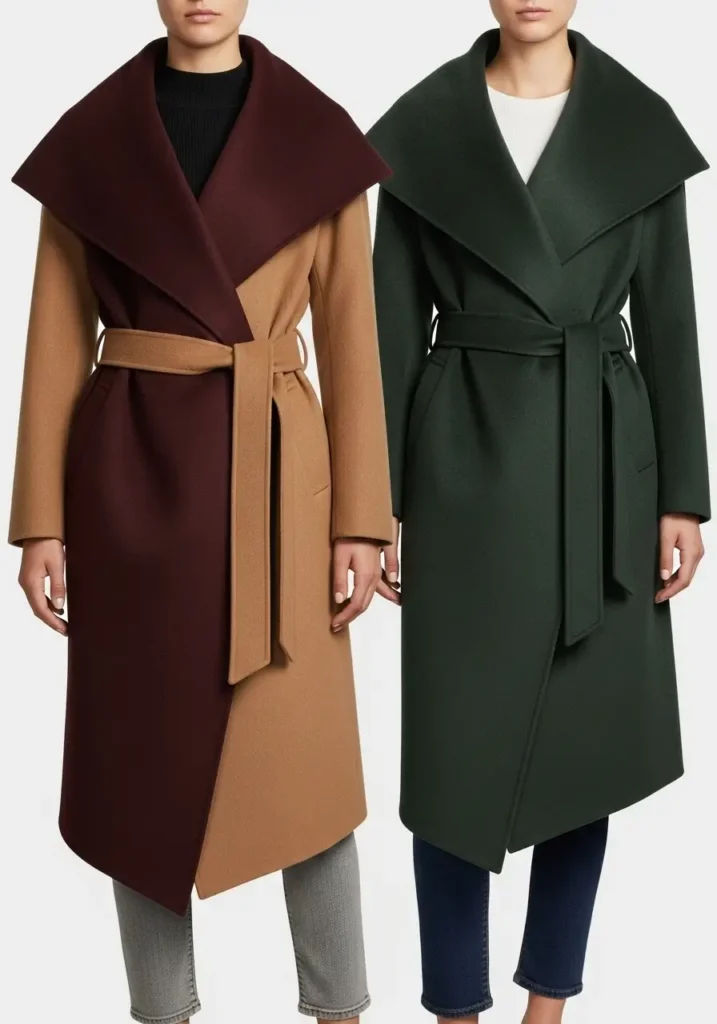
This season’s interpretation of the wrap coat transcends traditional belted designs through sculptural construction that creates visual interest even when worn open. Extended lapels frame the body dramatically, while asymmetric hemlines add movement and modernity. The beauty lies in versatility—wear it cinched for definition or flowing for effortless elegance. Premium wool blends ensure structure without stiffness, allowing the coat to maintain its shape through countless wears.
Color choices for wrap coats have expanded beyond neutrals, though camel and charcoal remain perennial favorites. Deep burgundy, forest green, and midnight navy offer sophistication with personality. The wrap style particularly suits those who value adaptability, as belt positioning can completely transform the silhouette from relaxed to refined.
Styling tip: Pair with slim silhouettes underneath—think cigarette pants or pencil skirts—to balance the coat’s volume. The architectural elements work best when allowed to be the focal point of your outfit.
2. The Statement Faux Fur Masterpiece
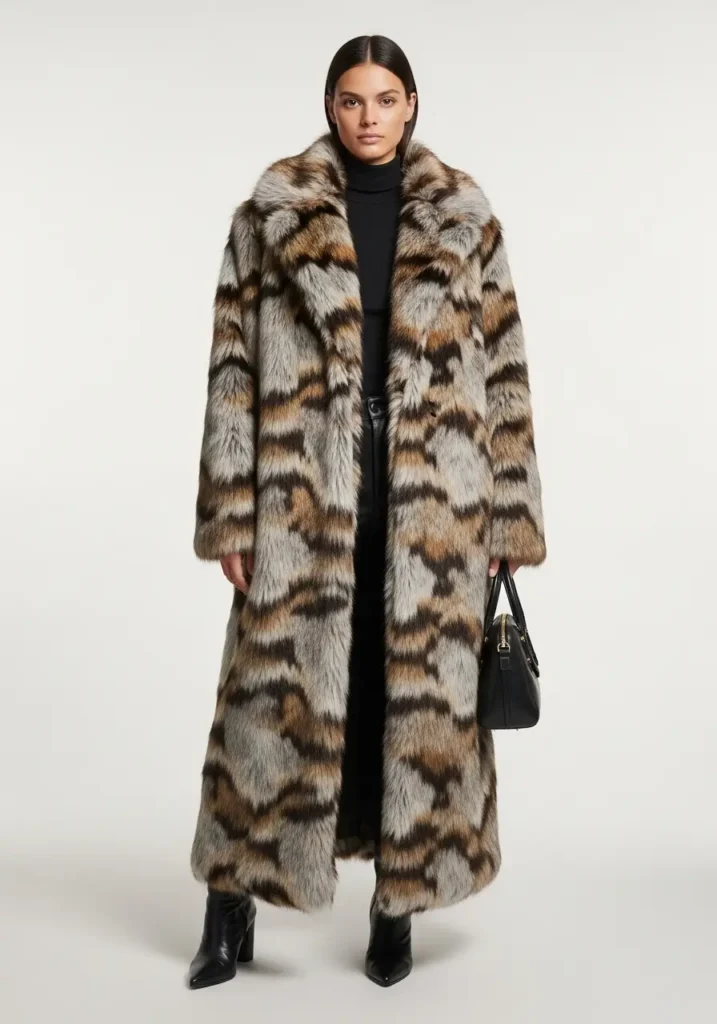
Faux fur has achieved unprecedented quality levels, with manufacturers creating textures indistinguishable from genuine pelts while maintaining ethical production standards. Market data shows women’s faux fur winter coats grew 12.86% month-over-month in April 2025, demonstrating strong consumer demand. This season’s offerings range from cropped jackets that add textural interest to minimalist outfits to floor-sweeping coats that command attention.
The key to wearing faux fur successfully lies in balancing proportions—pair voluminous coats with streamlined underneath layers to avoid overwhelming your frame. Technological advances in faux fur production have introduced incredible variety in textures and patterns. Beyond traditional mink and fox imitations, designers experiment with abstract patterns, color gradients, and mixed-pile techniques that create entirely new visual experiences.
Investment consideration: Faux fur coats position as luxury alternatives that address ethical concerns while offering the same tactile and visual appeal. Choose neutral colors for maximum versatility, or select bold hues to make your coat a wardrobe centerpiece.
3. The Modernized Trench Revolution
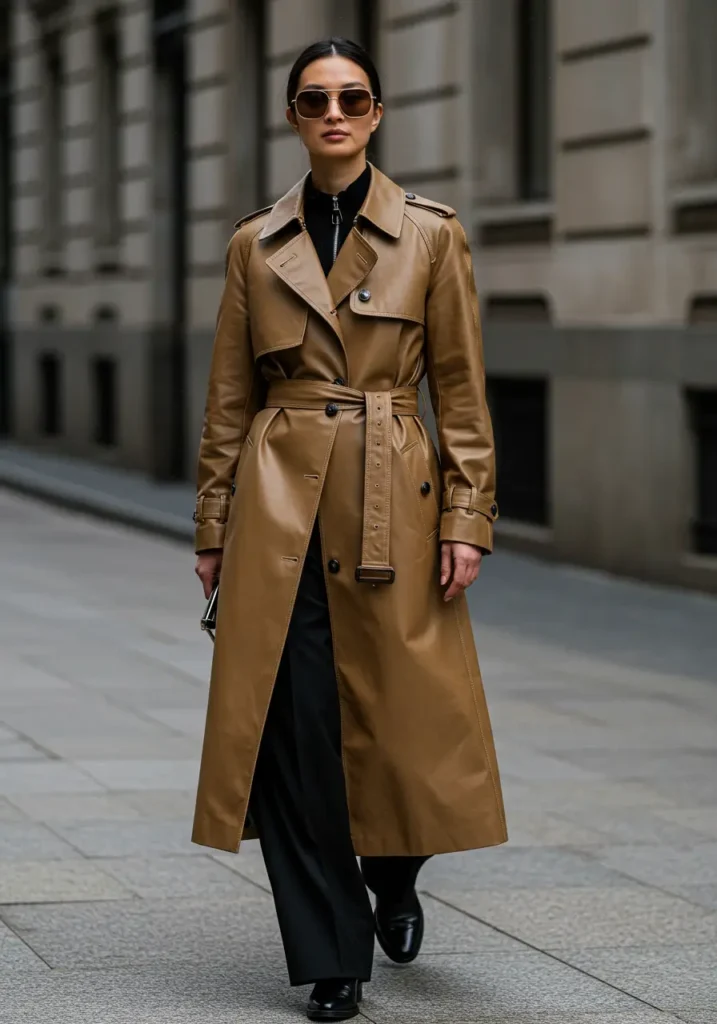
While traditional trench coats maintain their status as wardrobe essentials, contemporary versions push boundaries through unexpected materials and proportions. Google Trends data shows trench coats experienced significant search surge reaching 94 in December 2024, making them the most sought-after top coat style. Leather trenches offer edgy sophistication, while technical fabrics provide weather protection without sacrificing style.
Cropped versions suit petite frames and create interesting proportions with midi skirts or wide-leg pants. Extended lengths create drama and presence, particularly effective in monochromatic outfits. Details distinguish exceptional trenches from ordinary ones. Look for considered touches like contrast topstitching, updated hardware in brushed metals, and removable elements that allow customization.
Some designers incorporate modular components—detachable hoods, zip-out linings, or convertible collars—that extend wearing seasons and styling options. The 2025 reinterpretation emphasizes belted waists to create hourglass silhouettes, avoiding bulky layers.
4. The Cocoon Silhouette Innovation
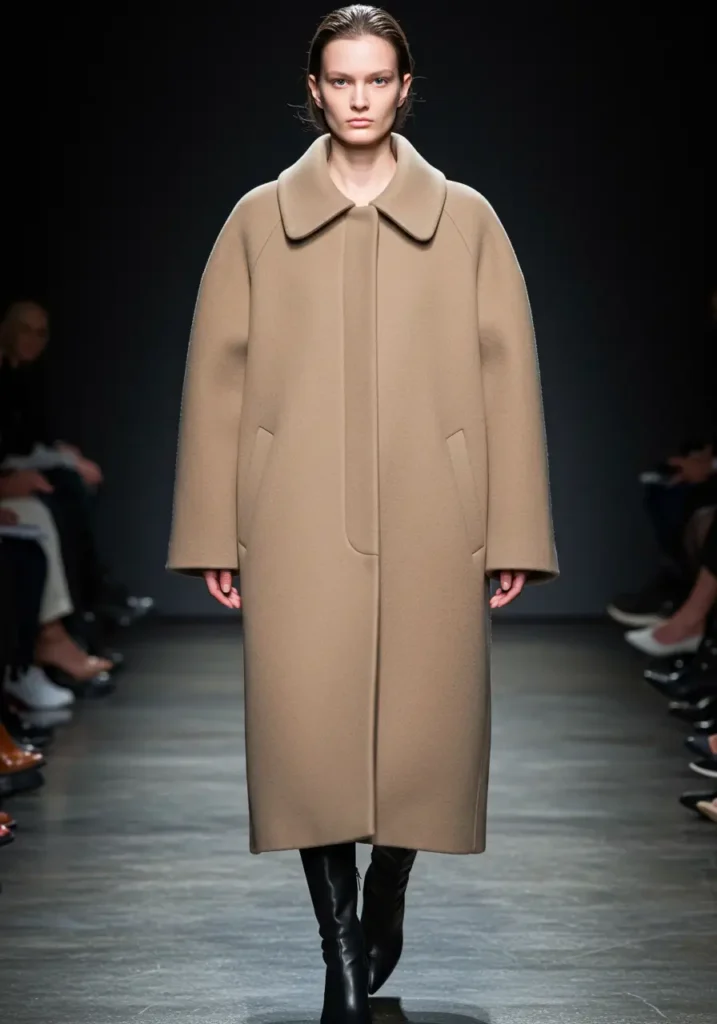
Cocoon coats embrace volume strategically, creating shapes that envelop without overwhelming. The silhouette typically features rounded shoulders, a relaxed body, and tapered hem that creates an elegant oval shape. This design philosophy prioritizes comfort while maintaining sophistication, making cocoon coats ideal for those who reject restrictive clothing without sacrificing style.
Material choice becomes crucial in cocoon designs, as fabrics must hold their shape without appearing stiff. Boiled wool, felted materials, and structured knits work particularly well, offering warmth and maintaining the distinctive silhouette. Some designers incorporate internal structure through clever seaming and interfacing, ensuring coats retain their sculptural quality through wear.
Body type consideration: Cocoon coats work beautifully on various body types because the volume doesn’t cling to any specific area. The rounded shape creates an elegant envelope that flatters through proportion rather than fit.
5. The Cape Coat Hybrid
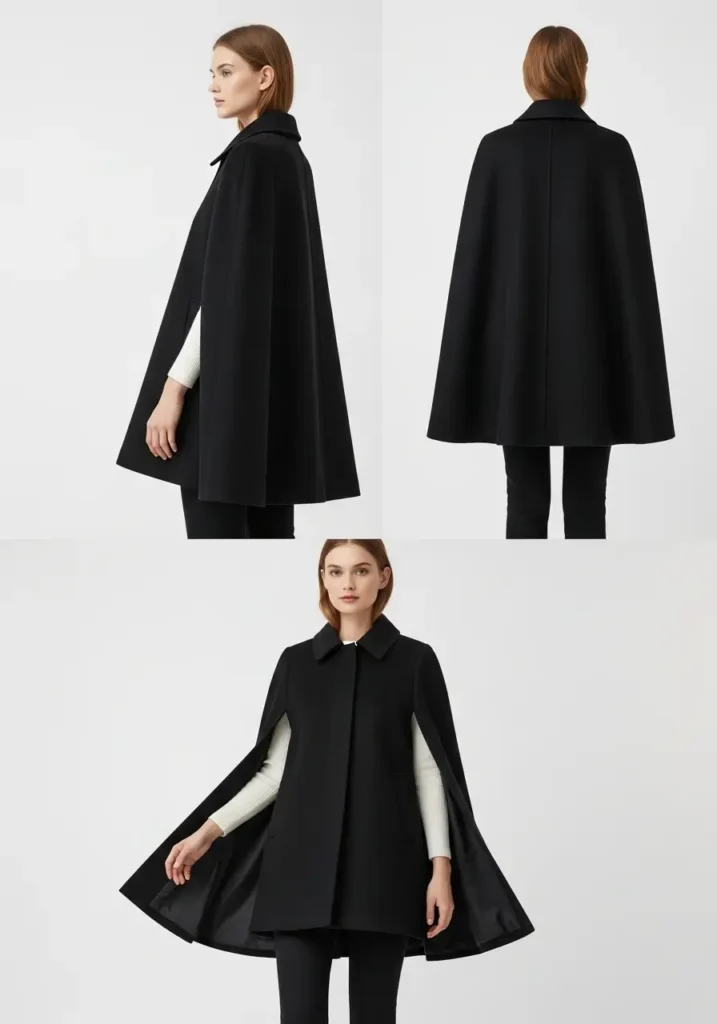
Merging the drama of capes with the practicality of traditional coats, cape hybrids represent innovative design thinking. These pieces typically feature standard sleeves with cape overlays or integrated cape-back designs that create movement and visual interest. The style suits various body types, as the flowing elements can camouflage areas of concern while creating an elongating vertical line.
Styling cape coats requires consideration of underneath layers. Fitted sleeves work best, as bulk can disrupt the cape’s drape. These designs excel over slim silhouettes—think cigarette pants, pencil skirts, or column dresses. The inherent drama of cape elements means simple styling often proves most effective.
Occasion note: Cape coats shine at special events and evening occasions where their dramatic flair feels appropriate. For daily wear, choose versions with subtle cape elements rather than theatrical swoops.
6. The Technical Shell Revolution
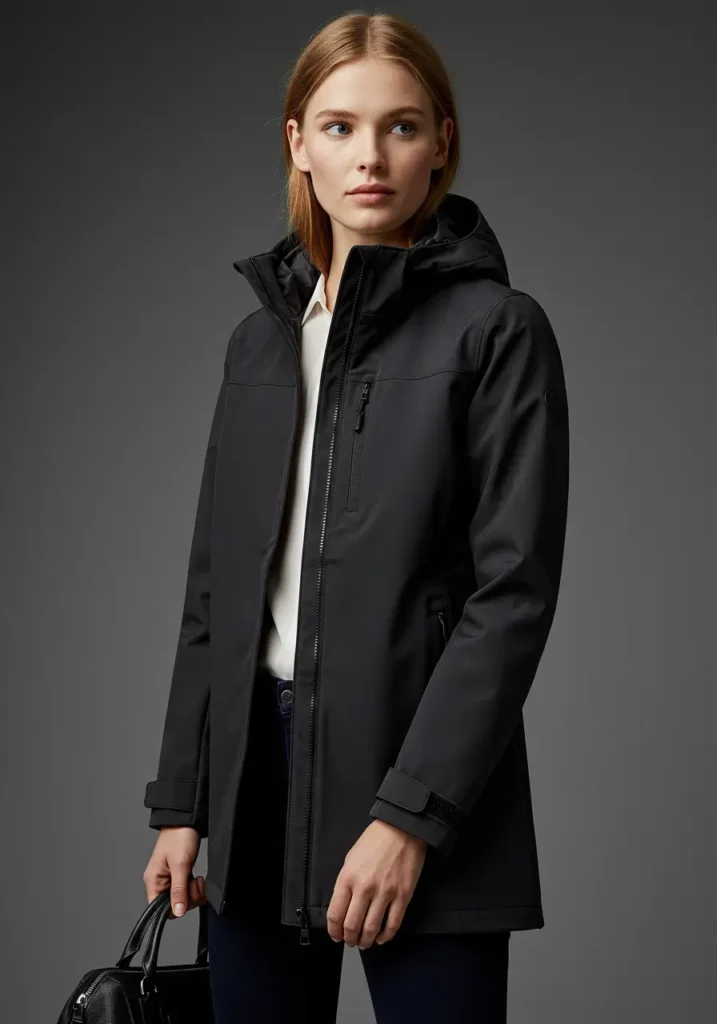
Performance outerwear has shed its exclusively athletic associations, with technical shells now appearing in professional and social settings. These coats combine weatherproof materials with refined silhouettes, offering protection without sacrificing style. Features like sealed seams, waterproof zippers, and breathable membranes ensure functionality, while careful design maintains aesthetic appeal.
The beauty of technical shells lies in their versatility across weather conditions and activities. Layer them over blazers for rainy commutes, wear them solo for weekend adventures, or pack them for travel where weather remains unpredictable. Advanced materials mean these coats often weigh significantly less than traditional options while providing superior protection.
E-commerce expansion has driven accessibility to technical outerwear, with the global market showing strong growth particularly in Asia-Pacific regions. Brands increasingly incorporate eco-friendly claims to attract conscious buyers, with sustainability becoming a significant purchasing factor.
7. The Shearling-Lined Luxury
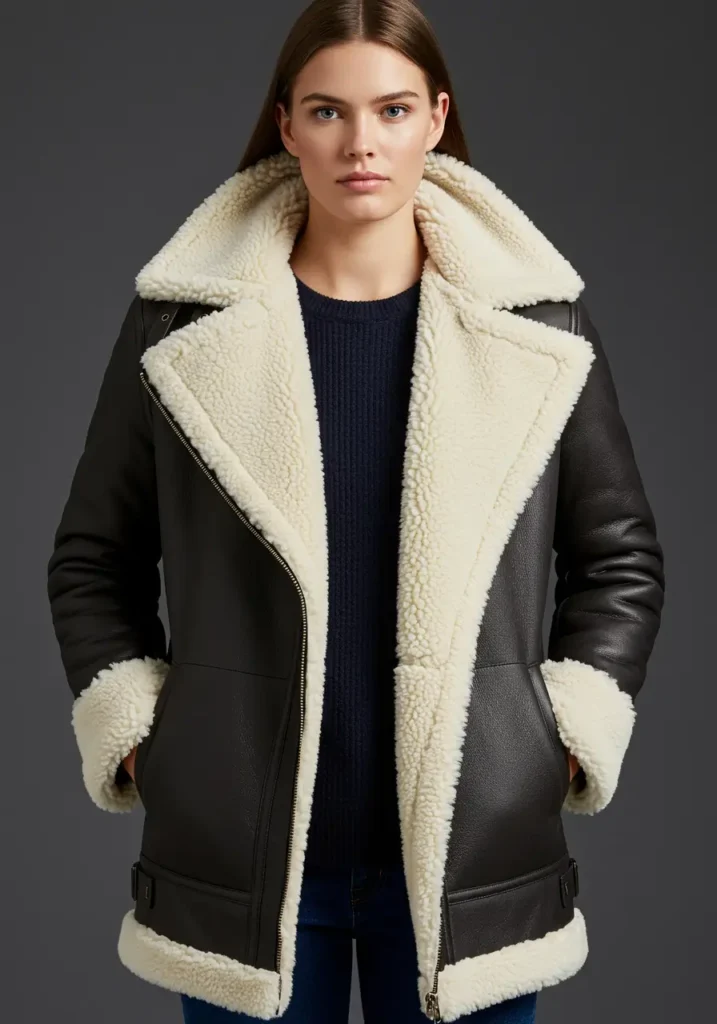
Shearling details elevate coats from functional to luxurious, whether as full linings, collar treatments, or cuff accents. Modern interpretations often use high-quality synthetic alternatives that provide the same visual and tactile appeal while addressing ethical concerns. The contrast between smooth outer shells and plush shearling creates textural interest that enhances even simple designs.
Maintenance considerations become important with shearling elements. Regular brushing maintains texture and appearance, while proper storage prevents matting. Many contemporary designs feature removable shearling components, allowing for easier cleaning and seasonal adaptation. This modularity extends the coat’s versatility across temperature ranges.
Climate consideration: Shearling coats work best in consistently cold climates. The insulation can be overwhelming in moderate temperatures or for those who transition frequently between heated indoor spaces and outdoor environments.
8. The Leather Investment Piece
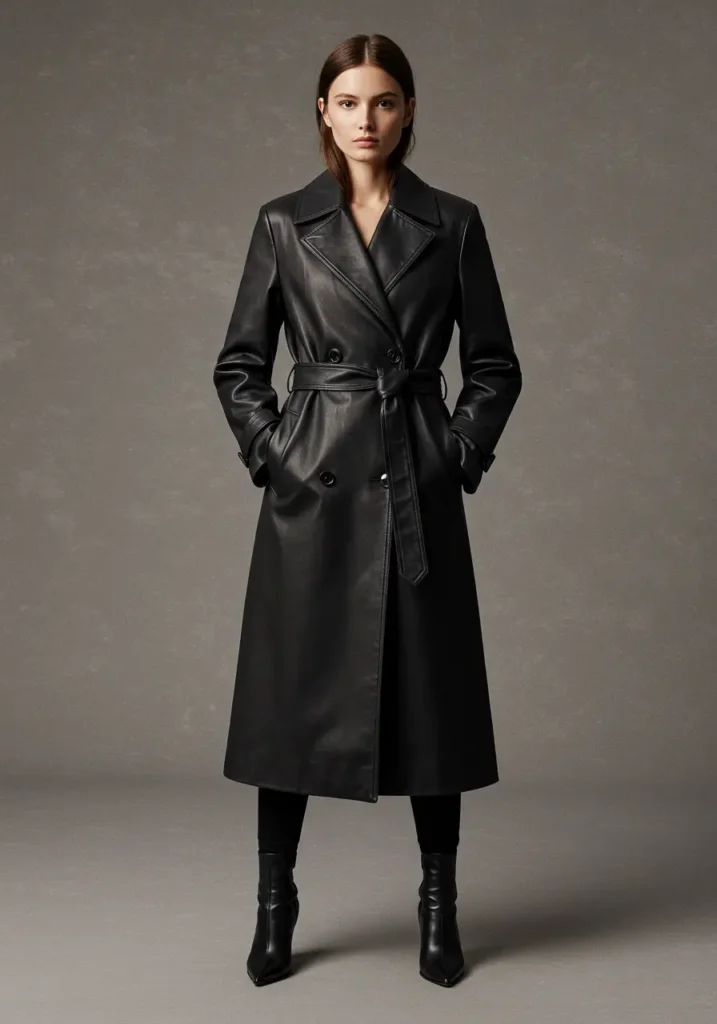
Quality leather coats represent significant investments that, with proper care, improve with age. Contemporary styles move beyond traditional biker jackets to include trenches, blazer-inspired designs, and avant-garde silhouettes. The material’s natural properties—wind resistance, durability, and moldability to body shape—make leather coats practical despite their luxury status.
Vegan leather alternatives have reached impressive quality levels, offering the aesthetic appeal of traditional leather with different care requirements and ethical considerations. These materials often incorporate innovative treatments that enhance durability and weather resistance. When selecting leather or alternatives, consider lifestyle factors like climate, maintenance willingness, and wearing frequency.
Investment perspective: While leather coats command higher initial prices, their longevity justifies the cost. A well-made leather coat can last decades, developing character through wear while maintaining structural integrity.
9. The Quilted Contemporary Classic
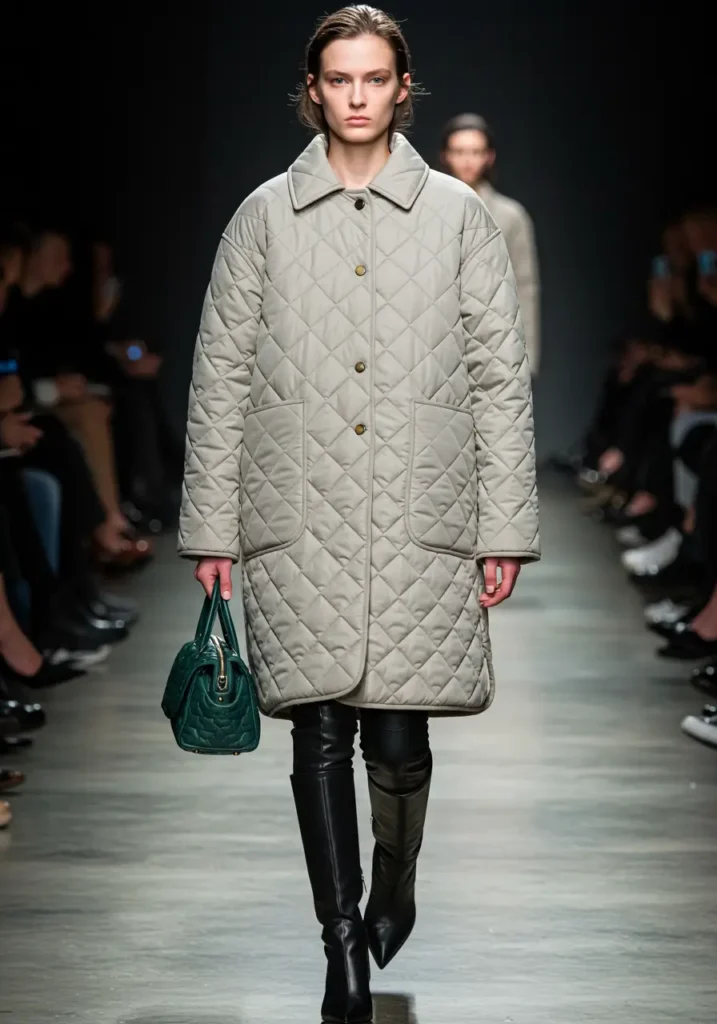
Quilted coats have evolved far beyond their country heritage, with designers reimagining the technique through contemporary lenses. Diamond quilting remains popular, but geometric patterns, channel quilting, and abstract designs offer fresh perspectives. The technique serves both aesthetic and functional purposes, creating air pockets that enhance insulation while adding visual texture.
The 2025 trend emphasizes padding in bright colors that brings freshness and dynamism to coldest days. Length variations cater to different style preferences—cropped versions work wonderfully over dresses or high-waisted bottoms, while longer options provide additional warmth and coverage. Some designers incorporate quilting selectively—perhaps just on sleeves or body panels—creating hybrid designs that balance texture with streamlined silhouettes.
Care tip: Quilted coats with down fill require professional cleaning to maintain loft and insulation properties. Synthetic fills often allow machine washing, making them more practical for frequent wear.
10. The Double-Breasted Power Coat
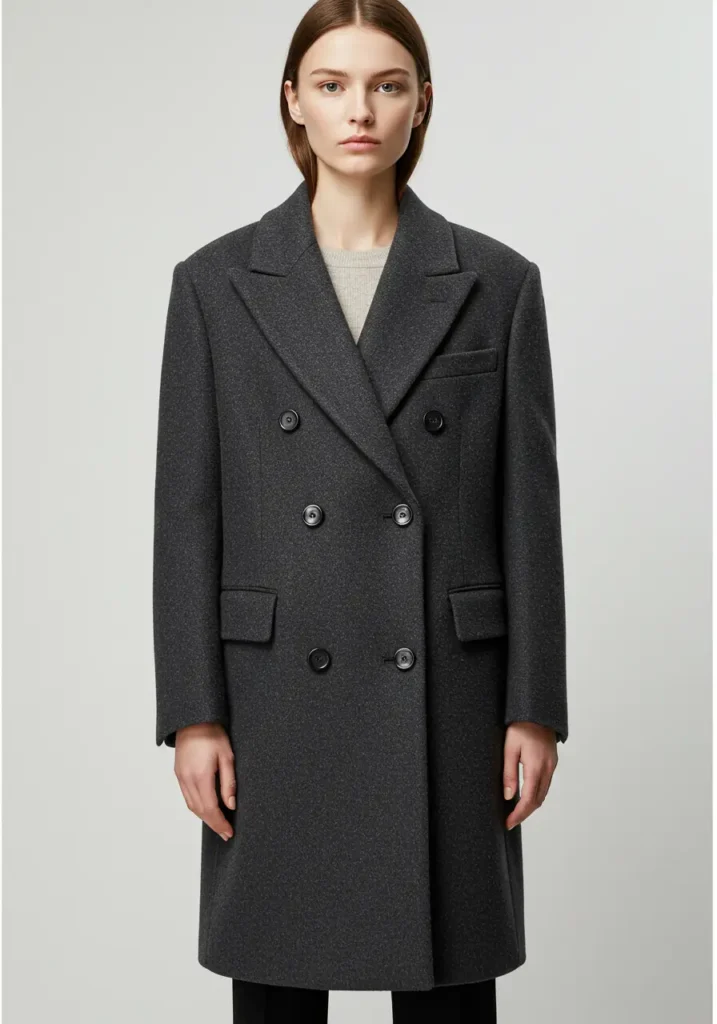
Double-breasted designs convey authority and polish, making them favorites for professional settings. This style represents the top coat trend for 2025, with crossover design, loose fit, and large lapels offering pure versatility. Modern interpretations play with proportions—oversized versions create fashion-forward statements, while fitted styles maintain classical elegance.
Button placement and size significantly impact the overall aesthetic. Larger buttons create bold focal points while smaller ones maintain subtlety. The structure inherent in double-breasted designs means these coats maintain their shape exceptionally well. Peak lapels add formality, while notched versions feel more relaxed.
Consider how you’ll primarily wear the coat—always buttoned creates a different silhouette than wearing it open, so ensure both configurations work with your wardrobe. The beige tone particularly invites monochrome palettes in white, ecru, or grey, achieving minimalist Nordic-inspired style.
11. The Minimalist’s Essential
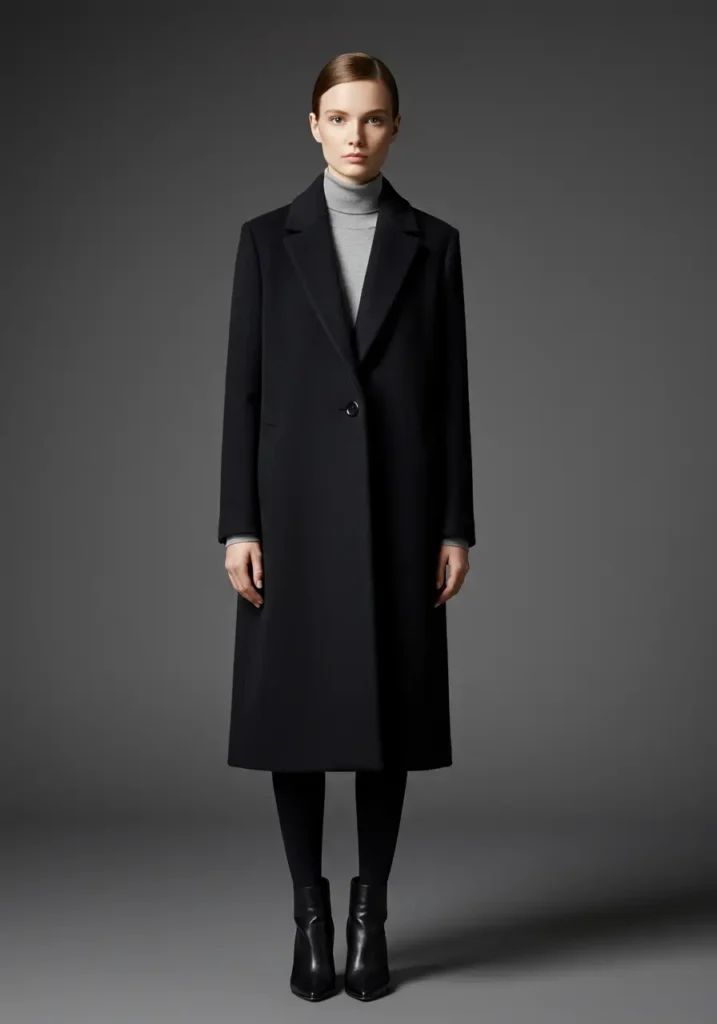
Minimalist coats strip away excess to focus on perfect proportions, premium materials, and flawless construction. These pieces typically feature clean lines, hidden closures, and subtle details that reveal themselves upon closer inspection. The absence of obvious design elements places emphasis on fit and fabric quality, making these among the most challenging coats to execute successfully.
Color selection for minimalist coats often favors neutrals—black, gray, beige, and navy dominate. However, a single statement shade can transform a minimalist coat into a wardrobe focal point. The key lies in maintaining design simplicity while allowing color to provide interest. These coats pair beautifully with both elaborate and simple outfits, serving as neutral canvases or quiet complements.
Wardrobe integration: Minimalist coats offer maximum versatility. A single well-chosen piece works across formal business settings, casual weekends, and social occasions without appearing out of place in any context.
12. The Barn Jacket Reimagined
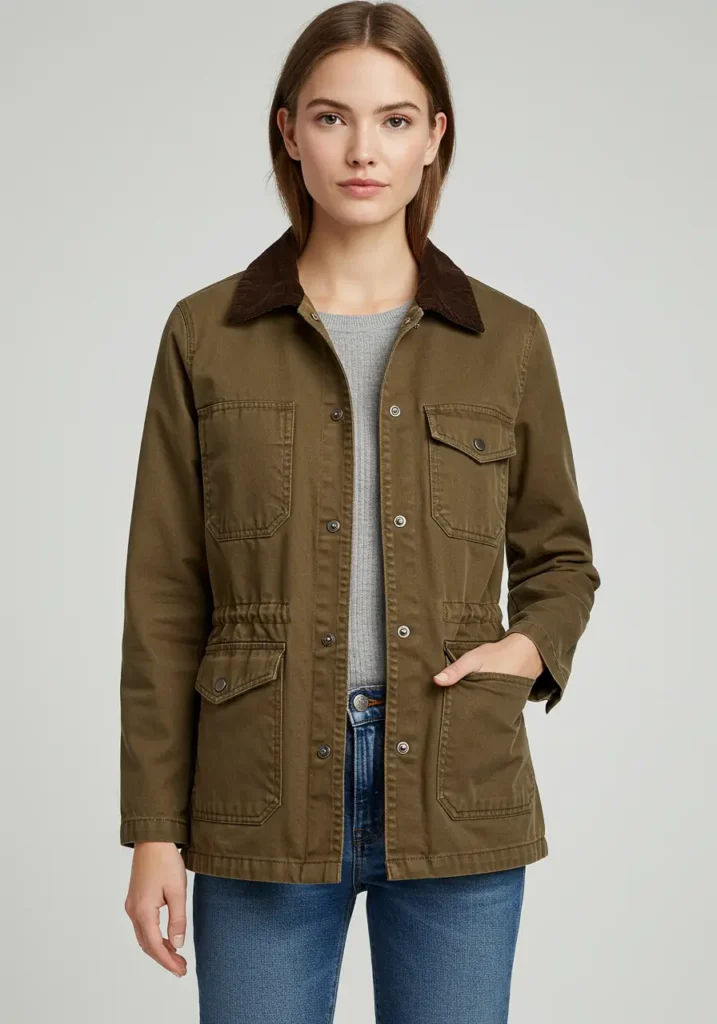
Barn jackets have transcended their utilitarian roots to become style staples that bridge casual and smart-casual dressing. Contemporary versions maintain practical elements—multiple pockets, durable construction, comfortable fit—while incorporating refined details that elevate the aesthetic. Corduroy collars, leather trim, or contrast lining add sophistication without compromising the jacket’s essential character.
The relaxed fit of barn jackets makes them ideal for layering, accommodating everything from chunky knits to blazers underneath. This versatility, combined with their informal nature, makes barn jackets perfect for weekend wear or casual Fridays. Choose versions in unexpected colors or with unique details to distinguish your piece from ubiquitous options.
Styling versatility: Barn jackets work beautifully over casual basics like jeans and sweaters, but they also add interesting contrast when paired with dressier pieces like silk blouses or tailored trousers.
13. The Puffer Coat Evolution
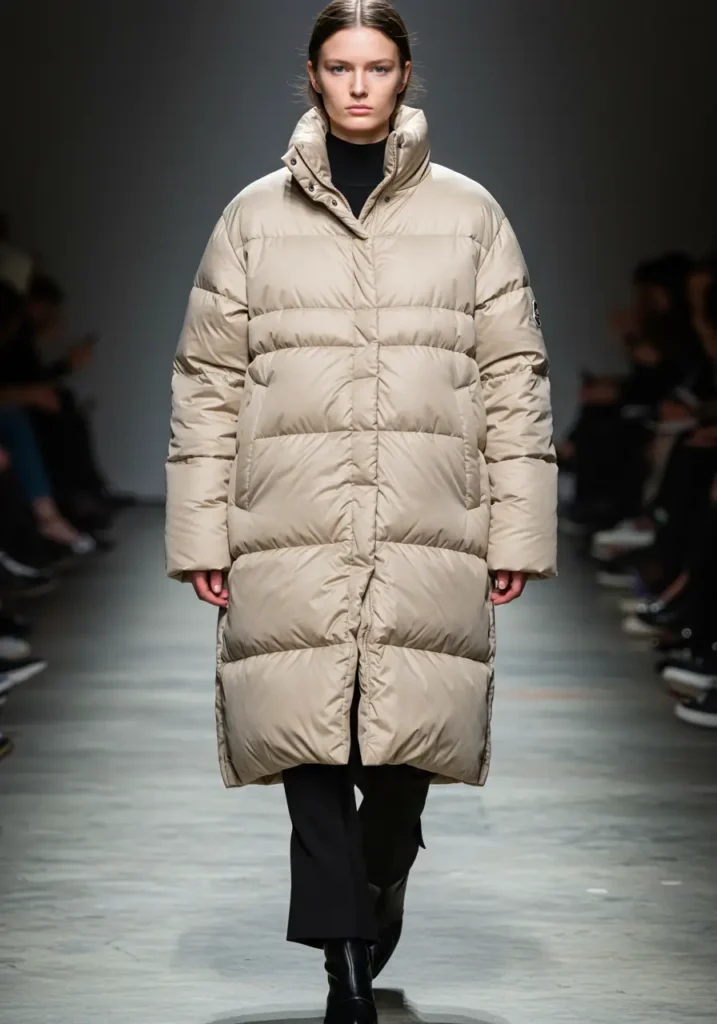
Once purely functional, puffer coats now occupy fashion’s forefront through innovative designs that balance warmth with style. Google Trends data shows puffer jackets dominated winter searches, peaking at 91 in November 2024 during holiday season. Designers experiment with quilting patterns, creating visual interest through channel directions and panel sizes.
Cropped puffers offer a contemporary silhouette that works particularly well with high-waisted bottoms, while maxi-length versions provide maximum coverage and drama. Fill technology has advanced significantly, with synthetic alternatives matching down’s insulation properties while offering advantages in wet conditions and ethical production. Some manufacturers incorporate recycled materials, addressing sustainability concerns without compromising performance.
The combination of fashion-forward design and technical innovation positions modern puffers as practical luxury. Foldable designs for compact travel saw search volume peak at 18.8 in December 2024, demonstrating demand for portable warmth.
14. The Belted Blazer Coat
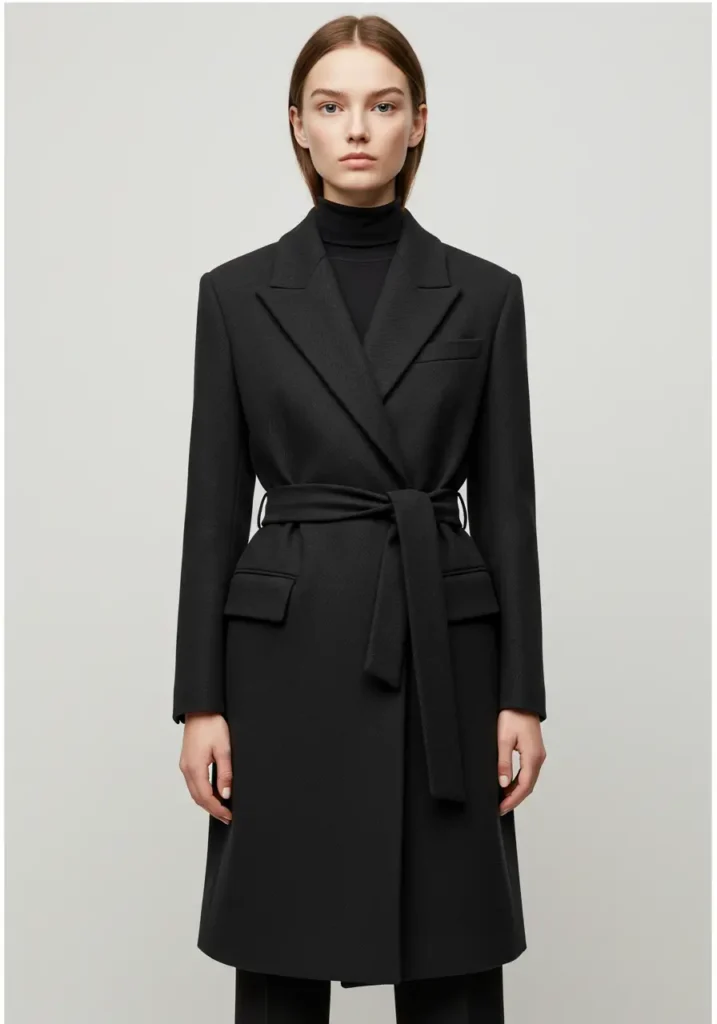
Blurring lines between tailoring and outerwear, belted blazer coats offer sophisticated alternatives to traditional styles. These pieces typically feature blazer-inspired details—notched lapels, welt pockets, structured shoulders—extended to coat lengths and enhanced with belt closures. The result bridges professional and casual contexts, offering polish without excessive formality.
Belt styling significantly impacts the overall look. Tied loosely creates relaxed elegance, while precise knotting adds structure and definition. Some designs include both belt loops and free-belting options, allowing wearers to adjust styling based on outfit needs. The blazer coat’s versatility makes it particularly valuable for those seeking maximum wear from their outerwear investments.
Professional applications: Belted blazer coats work beautifully for business environments where full suits feel too formal but professional appearance matters. They provide structure and polish while remaining approachable.
Which of these 14 coat styles resonates most with your personal aesthetic and lifestyle needs? Are you drawn to classic elegance, modern minimalism, or bold statement pieces? Share your thoughts in the comments!
Mastering the Art of Coat Styling
Understanding how to style top coats transforms them from mere outerwear into integral wardrobe components. The relationship between coat and outfit requires careful consideration of proportions, colors, and contexts. Successful styling starts with understanding your coat’s inherent characteristics—its silhouette, weight, and design details—then building complementary looks that enhance rather than compete.
Proportion play becomes crucial when working with statement coats. Voluminous styles benefit from streamlined underneath layers that prevent bulk accumulation. Conversely, fitted coats can handle more elaborate styling, including layered knits or flowing scarves. The goal involves creating balanced silhouettes that feel intentional rather than accidental.
Color Coordination Strategies
Color coordination extends beyond simple matching. While monochromatic looks create sophistication through tonal variation, contrasting approaches can prove equally effective. Consider how your coat’s color interacts with your broader wardrobe—does it complement your existing palette or provide an accent opportunity? Neutral coats offer maximum versatility, while statement colors require more thoughtful integration.
Seasonal Transition Techniques
Seasonal transitions challenge coat selection, as weather fluctuations demand adaptability. Layering strategies become essential during these periods. Lighter-weight coats worn over substantial knits provide warmth without bulk, while technical shells over insulating layers offer weather protection with temperature control. Understanding these combinations extends your coat collection’s utility across seasons.
Accessory Enhancement
Accessories significantly impact coat styling. Scarves add color and texture while providing practical warmth. Gloves and hats should complement without matching exactly—coordination through color family or material creates cohesion without appearing overly planned. Bags require special consideration with coats; crossbody styles work well with longer coats, while structured handbags complement tailored styles.
Quick Styling Formula
Oversized coat + Fitted underneath layers + Minimal accessories = Balanced, modern silhouette
Tailored coat + Layered textures + Statement accessory = Sophisticated, dimensional look
Statement coat + Simple outfit + Neutral accessories = Let the coat shine
Smart Investment Strategies for Premium Outerwear
Approaching coat purchases as investments rather than impulse buys yields long-term wardrobe benefits. Quality outerwear represents significant financial commitment, making strategic selection crucial. Begin by assessing your lifestyle needs—professional requirements, climate considerations, and social activities all influence optimal choices. This analysis prevents acquiring beautiful but impractical pieces that languish unworn.
Budget Allocation Framework
Budget allocation for coats deserves careful consideration. While premium pieces command higher prices, cost-per-wear calculations often justify the investment. A well-made coat worn frequently over multiple seasons provides better value than several cheaper alternatives that fail quickly. Consider establishing a dedicated outerwear fund, allowing you to purchase quality pieces when opportunities arise rather than settling for available options.
Strategic Timing for Purchases
Timing purchases strategically maximizes value. End-of-season sales offer significant discounts on current styles, though popular sizes and colors sell quickly. Pre-season purchases ensure the best selection but at full price. Sample sales and outlet shopping can yield exceptional values on designer pieces, though these require flexibility in style and size preferences. Online consignment and vintage sources offer unique pieces, often at fraction of original prices.
Quality Indicators to Assess
Understanding construction quality indicators helps evaluate potential purchases:
- Seam finishing: French seams, bound edges, or serged finishes indicate attention to detail
- Button attachment: Secure anchoring with reinforcement on stress points
- Lining quality: Should lie smooth without pulling or bunching
- Pattern alignment: Matches at seams, particularly noticeable in plaids or stripes
- Hardware durability: Zippers, snaps, and closures that feel substantial and operate smoothly
Wardrobe Integration Planning
Before purchasing, consider how a potential coat works with existing pieces. Does it fill a genuine gap or duplicate current options? Can you identify at least five outfits it would enhance? Will it serve multiple contexts or remain limited to specific occasions? These questions guide selections toward pieces that earn their closet space through regular wear.
Sustainable Approaches to Building Your Coat Collection
Sustainability in fashion extends beyond material choices to encompass entire consumption patterns. Building a coat collection mindfully means prioritizing quality over quantity, choosing pieces designed to last decades rather than seasons. This approach aligns with growing awareness about fashion’s environmental impact while creating more satisfying wardrobes that truly serve their owners.
Material Sustainability Considerations
Material sustainability involves complex considerations beyond simple natural-versus-synthetic divisions. Organic wool production reduces chemical usage but requires significant land and water resources. Recycled synthetics divert waste from landfills but may release microplastics during washing. Understanding these trade-offs helps make informed decisions aligned with personal values. Many brands now provide transparency about their supply chains and environmental impacts, enabling conscious choices.
Longevity as Sustainability
Longevity represents perhaps the most impactful sustainability factor. Choosing classic styles over trend-driven designs ensures continued relevance. Investing in quality construction means coats withstand years of wear. Proper maintenance extends lifespan significantly. These factors combine to reduce overall consumption, minimizing fashion’s environmental footprint while building wardrobes of enduring value.
Circular Fashion Principles
Circular fashion principles apply particularly well to outerwear. High-quality coats maintain value in resale markets, allowing you to recoup investment when styles no longer serve you. Consignment shops, online platforms, and clothing swaps facilitate this circulation, giving pieces continued life with new owners. Participating in these systems both reduces waste and provides access to pieces that might otherwise remain financially inaccessible.
Repair and Restoration
Repair and restoration deserve greater emphasis in coat care. Professional tailoring can update fit as bodies change. Reweaving services repair moth damage or tears in expensive fabrics. Leather restoration revives worn pieces. Hardware replacement refreshes dated details. These services cost fraction of replacement while preserving resources invested in original production. Developing relationships with skilled craftspeople ensures your coats remain wearable for decades.
Professional Care and Maintenance Protocols
Proper maintenance transforms coat ownership from temporary possession to long-term partnership. Each material requires specific care approaches that preserve appearance and function. Establishing maintenance routines prevents deterioration, maintaining your investment’s value while ensuring pieces remain ready for wear when needed.
Wool Coat Care
Wool coats benefit from regular brushing with natural bristle brushes, removing surface dirt while redistributing natural oils. Steam refreshes between wears, relaxing wrinkles without harsh pressing. Professional cleaning should occur sparingly—once or twice per season for frequently worn pieces. Between professional cleanings, spot treatment addresses minor stains. Proper hanging on shaped hangers prevents shoulder distortion, while breathable garment bags protect during storage.
Leather and Suede Maintenance
Leather and suede require specialized attention to maintain suppleness and appearance. Regular conditioning prevents cracking and maintains water resistance. Waterproofing sprays designed for leather provide additional protection, though application requires care to avoid altering texture or color. Professional cleaning addresses significant soiling, while home maintenance handles routine care. Storage in climate-controlled environments prevents mold and mildew that can permanently damage leather.
Technical Fabric Care
Technical fabrics often feature specific care requirements that maintain their performance properties. Many require specialized detergents that won’t compromise waterproof membranes. Heat can damage technical treatments, making air drying essential. Some fabrics benefit from periodic re-treatment with DWR (Durable Water Repellent) sprays to restore water-beading properties. Following manufacturer guidelines ensures these high-performance materials continue functioning as designed.
Storage Strategies
Storage strategies significantly impact coat longevity. Cedar blocks or lavender sachets deter moths naturally without chemical exposure. Adequate spacing between garments prevents crushing and allows air circulation. Climate control reduces moisture that can cause mildew or fabric degradation. Annual inspection before storage identifies issues requiring attention—loose buttons, small tears, or stains best addressed before they worsen during storage months.
The Evolution of Coat Trends: Past, Present, and Future
Understanding trend evolution helps distinguish lasting styles from fleeting fads. Fashion operates in cycles, with elements from previous decades reappearing through contemporary interpretations. Recognizing these patterns enables strategic purchasing—investing in pieces with staying power while enjoying trend-driven options through less expensive alternatives or temporary additions.
Historical Influences on Modern Design
Historical influences shape current coat designs more than many realize. The military heritage visible in trench coats and peacoats reflects functional origins adapted for civilian use. Fashion week presentations regularly reference archival designs, updating classic silhouettes with modern materials or unexpected proportions. These connections to fashion history provide depth and context that elevate wearing experience beyond simple function.
Current Cultural Shifts
Current trends toward oversized silhouettes and textural variety reflect broader cultural shifts. Comfort-focused design gained prominence during recent global changes, with consumers prioritizing ease over restriction. Simultaneously, individual expression through fashion has intensified, driving demand for statement pieces that communicate personality. These dual forces—comfort and expression—shape contemporary coat design in ways that seem likely to persist.
Technology Integration
Technological integration represents an emerging frontier in coat design. Smart fabrics that adapt to temperature changes, integrated heating elements, and connection to personal devices hint at possibilities beyond current offerings. While these innovations remain largely experimental, they suggest future directions where fashion and technology merge more completely. Early adopters might consider pieces that incorporate subtle tech elements as investment in future-forward style.
Future Predictions
Predicting future trends requires observing current cultural currents. Growing environmental consciousness will likely drive continued innovation in sustainable materials and production methods. Increased remote work may maintain demand for versatile pieces that transition between home and public spaces. Global fashion influence will continue diversifying Western-centric design traditions. These factors suggest future coat collections will emphasize adaptability, sustainability, and cultural fusion.
How do you balance trend-following with timeless style in your outerwear choices? Do you invest in classic pieces or update your collection each season? Share your approach to building a lasting coat wardrobe!
Key Takeaways:
- ✓Quality top coats represent investments that provide value through versatility, longevity, and style elevation across multiple seasons
- ✓The global outerwear market reached $53.25 billion in 2025, with trench coats and puffer jackets dominating search trends
- ✓Contemporary coat design balances traditional craftsmanship with innovative materials and silhouettes that reflect modern lifestyles
- ✓Successful coat styling requires understanding proportions, layering techniques, and coordination with existing wardrobe pieces
- ✓Proper maintenance and storage protocols significantly extend coat lifespan and preserve investment value
- ✓Sustainable approaches emphasize quality over quantity, circular fashion principles, and repair over replacement
Frequently Asked Questions
How much should I invest in a quality top coat?
Budget allocation for quality top coats depends on your lifestyle and wearing frequency. Entry-level quality pieces start around $200-400, mid-range options run $400-800, and luxury investment pieces range from $800-3000+. Consider cost-per-wear when evaluating price—a $1000 coat worn 100 times over multiple seasons costs $10 per wear, making it more economical than cheaper alternatives requiring frequent replacement. Focus budget on styles you’ll wear most frequently. The global outerwear market reached $53.25 billion in 2025, reflecting strong consumer willingness to invest in quality pieces that deliver longevity and versatility. Prioritize fit and construction quality over brand names, as these factors determine long-term satisfaction and value.
What coat style offers the most versatility?
The trench coat consistently ranks as the most versatile top coat style, which Google Trends data confirms with search interest peaking at 94 in December 2024. Classic trench coats work across professional, casual, and formal contexts, transition seamlessly between seasons, and complement virtually any outfit from jeans to suits. For maximum versatility, choose neutral colors like camel, navy, or black in knee-length proportions that suit various body types. Modern reinterpretations with belted waists and updated materials extend traditional trench functionality while maintaining the timeless silhouette that ensures relevance across fashion cycles. Alternative versatile options include tailored wool coats in neutral colors and minimalist designs with clean lines that work across multiple settings.
How do I choose the right coat length for my body type?
Coat length should balance proportion and personal preference. For petite frames (under 5’4″), cropped coats ending at the hip or midi lengths hitting mid-thigh prevent overwhelming your frame. Average heights (5’4″-5’8″) wear most lengths successfully, with knee-length offering universal flattery. Taller individuals (5’8″+) can carry longer coats including maxi lengths that create dramatic silhouettes. Beyond height, consider leg length—longer legs support longer coats, while shorter legs benefit from cropped options that don’t truncate the visual line. Try coats in changing room with full-length mirrors and typical footwear. The hem should create a pleasing visual break rather than cutting awkwardly mid-calf. Current trends favor both cropped and floor-sweeping lengths, giving flexibility to choose based on proportion rather than trend alone.
When should I dry clean versus spot clean my coat?
Professional dry cleaning frequency depends on material and wear patterns. Wool coats need professional cleaning only 1-2 times per season for regular wear, as overwashing can damage fibers. Spot clean minor marks immediately with gentle dabbing using appropriate cleaners for the fabric type. Cashmere requires similar care with potentially more frequent professional attention due to delicate fibers. Leather and suede demand specialized leather cleaning services, not standard dry cleaning. Technical fabrics often allow home washing following manufacturer instructions, though professional services ensure waterproof treatments remain effective. Signs you need professional cleaning include visible soiling, persistent odors, loss of fabric luster, or at season’s end before storage. Between cleanings, steam refresh, brush regularly, and air out coats to maintain freshness. Proper maintenance reduces cleaning frequency, extending coat life while preserving appearance.
Are sustainable top coats worth the higher price point?
Sustainable top coats often command higher initial prices but deliver value through multiple factors. Eco-friendly materials and ethical production increase manufacturing costs, but superior construction typically ensures longer lifespan that offsets the premium. The global outerwear market shows 2.66% annual growth partly driven by consumer demand for sustainable options, indicating shifting priorities toward conscious consumption. Sustainable coats often feature timeless designs that remain relevant beyond seasonal trends, maximizing cost-per-wear over extended periods. Environmental and ethical considerations add non-monetary value for consumers aligned with these priorities. Evaluate sustainable options by examining certifications, material sourcing transparency, and construction quality. Brands offering repair services, take-back programs, or circular fashion initiatives provide additional value. Calculate long-term costs including potential resale value—sustainable pieces maintain worth better in secondhand markets. The investment makes sense when sustainable coats replace multiple fast-fashion purchases while supporting values beyond pure function.
Your Next Steps in Building an Exceptional Coat Collection
Top coats represent the invisible architects of your overall style, transforming simple outfits into polished ensembles that command attention and respect. The 14 exceptional styles explored in this guide offer diverse options suited to different lifestyles, body types, and aesthetic preferences. From architectural wool wraps to technical shells, contemporary outerwear balances luxury and functionality in unprecedented ways.
The global outerwear market’s growth to $53.25 billion in 2025 reflects consumer recognition that quality coats justify their investment through versatility, longevity, and style elevation. Current trends emphasize double-breasted designs, reinterpreted trenches, and faux fur textures that merge fashion with function. By understanding construction quality, material properties, and styling techniques, you can build a collection that serves you across seasons and occasions.
Remember that sustainable approaches—prioritizing quality over quantity, embracing circular fashion principles, and maintaining pieces through professional care—create wardrobes of enduring value while minimizing environmental impact. Strategic investments in versatile neutral coats supplemented by statement pieces ensure your collection remains fresh without constant replacement.
Now it’s your turn to take action: Which coat style from this guide matches your current wardrobe needs? What’s stopping you from making that investment in a quality piece that will serve you for the next decade? Share your coat shopping plans, favorite styles, and any questions in the comments below—let’s build a community of well-dressed, thoughtfully invested fashion enthusiasts!