11 Must-Visit Botanical Gardens Across America
A calm, practical guide to planning better visits, seeing more in less time, and spotting the details most people walk past.
How do you choose botanical gardens that feel worth the trip—without getting stuck in crowds, missing peak bloom, or leaving with “nice… but that’s it” memories?
Botanical gardens are not just pretty parks. The best ones act like living museums: they label plants, teach you how ecosystems work, and show what grows where—and why.
This guide shares 11 must-visit botanical gardens across America, plus simple planning steps to help you pick the right season, the right day, and the right pace. You’ll also see what’s changing in garden visits right now (and what outdated advice still causes bad trips).
If you travel from the U.S., Canada, the UK, Australia, or South Africa, think of this as a “choose-your-own” list. You can build a city break around one garden, or add a two-hour reset to a busy itinerary.
What makes a botanical garden worth visiting?
A true botanical garden does more than look good. It helps you notice patterns: how plants handle heat, shade, wind, salt, drought, or too much rain. When you visit with that lens, even a short walk feels rich.
Here’s what usually separates a “nice stroll” from a “wow, I want to come back” garden experience:
- Clear labeling so you can learn names, origins, and plant families without guessing.
- Several “worlds” in one place (desert, rainforest, woodland, meadow, formal beds).
- Paths that support different energy levels: short loops, longer loops, and plenty of benches.
- A conservatory or indoor space that saves your visit on bad weather days.
- Seasonal highlights that change the feel of the same garden across the year.
One simple trick: pick one theme before you enter. For example, “I will look for plants that handle heat,” or “I will focus on scent and texture,” or “I will photograph bark and seed pods, not flowers.” That theme gives your brain a job, and it prevents the “I saw everything and nothing” feeling.
Quick reflection: When you picture a “perfect” garden visit, what do you want to feel—curious, calm, inspired, or energized?
Discussion question: Do you prefer gardens that feel wild and natural, or gardens that feel designed and polished?
Trend watch: Winter light walks and seasonal displays keep expanding, which changes the “best time to visit” idea from “spring only” to “pick the experience you want.” What kind of night event would make you plan a garden trip on purpose?
What’s new in botanical gardens (and what outdated advice gets people stuck)
Garden visits have changed in ways that feel small, but they affect your whole day. The biggest shift: many gardens now treat the visitor experience like a full “program,” not just open gates and paths.
Here are changes that show up across many botanical gardens right now:
- More native plant focus and region-ready planting, not only exotic “collector” beds.
- More evening programming (light trails, holiday displays, late hours), so you can visit around work or heat.
- More conservation storytelling, so visitors understand how gardens protect rare plants and habitats.
- More tools for self-guided learning (maps, QR codes, audio stops), so you can learn without joining a tour.
Now for the outdated advice that still causes bad visits:
- Outdated: “Go at noon so the light is best for photos.”
Better now: Go early for calm paths, then take photos in open shade or conservatories to avoid harsh sun. - Outdated: “Spring is the only good season.”
Better now: Choose the season that matches your interest: orchids, desert blooms, fall color, or winter light events. - Outdated: “See the whole garden in one loop.”
Better now: Choose one long loop or two short loops with a break. You’ll remember more.
The best practice that saves almost every visit: plan your “anchor.” Your anchor is one must-see place inside the garden (a conservatory, a desert room, a Japanese garden, a rose walk). Build the day around that anchor, and treat the rest as bonus.
Discussion question: What ruins a garden day faster for you—crowds, weather, or feeling lost without a plan?
Common headline myth: “If you missed peak bloom, the garden isn’t worth it.” Many top gardens run year-round displays and seasonal exhibits that change the experience even when flowers are quiet. What “off-season” experience would still feel worth full ticket price to you?
Plan a better visit (simple steps that work in any city)
You do not need a perfect plan. You need a light plan that protects your energy and your attention.
Step 1: Pick your “visit type” first
Decide what kind of day you want before you decide which garden to visit. That one choice makes the rest easy.
- The reset visit (60–120 minutes): One loop, one indoor space, one bench break.
- The learning visit (2–4 hours): Conservatory + themed garden + short tour (guided or self-guided).
- The photo visit (2–3 hours): Early entry + one “icon spot” + details (texture, doors, paths, glasshouse frames).
- The full-day visit: Two loops with a meal break, plus one exhibit or talk.
Step 2: Time your entry to match your goal
If you want quiet, arrive at opening. If you want people in your photos, go later. If you want soft light, aim for morning or late afternoon and use shade.
Step 3: Pack for comfort, not “just in case”
- Water (more than you think you need).
- Sun hat or cap, plus sunscreen.
- Comfort shoes (paths add up fast).
- A light layer (conservatories can feel warm; shade can feel cool).
- One small notebook or notes app for plant names you love.
Step 4: Use the “three photos” rule
To avoid taking 200 photos you never look at, take three intentional photos per area:
- One wide photo (the space).
- One medium photo (a bed, a path, a bench, a fountain).
- One close photo (leaf, bark, seed pod, label).
Quick reflection: If you had to choose just one goal for your next garden visit—photos, learning, or calm—what would you pick?
Discussion question: Do you like a tight itinerary, or do you want a plan that leaves room for surprise?
Quick update: Many visitors now plan around exhibits, not only blooms, because exhibits can run for weeks and feel more predictable than weather. When you travel, do exhibits make planning easier—or do they feel like “one more thing”?
11 must-visit botanical gardens across America
This list balances “big-name icons” with variety. Some gardens impress with size, some with collections, and some with how they shape a whole day in a city.
1) New York Botanical Garden (Bronx, New York)
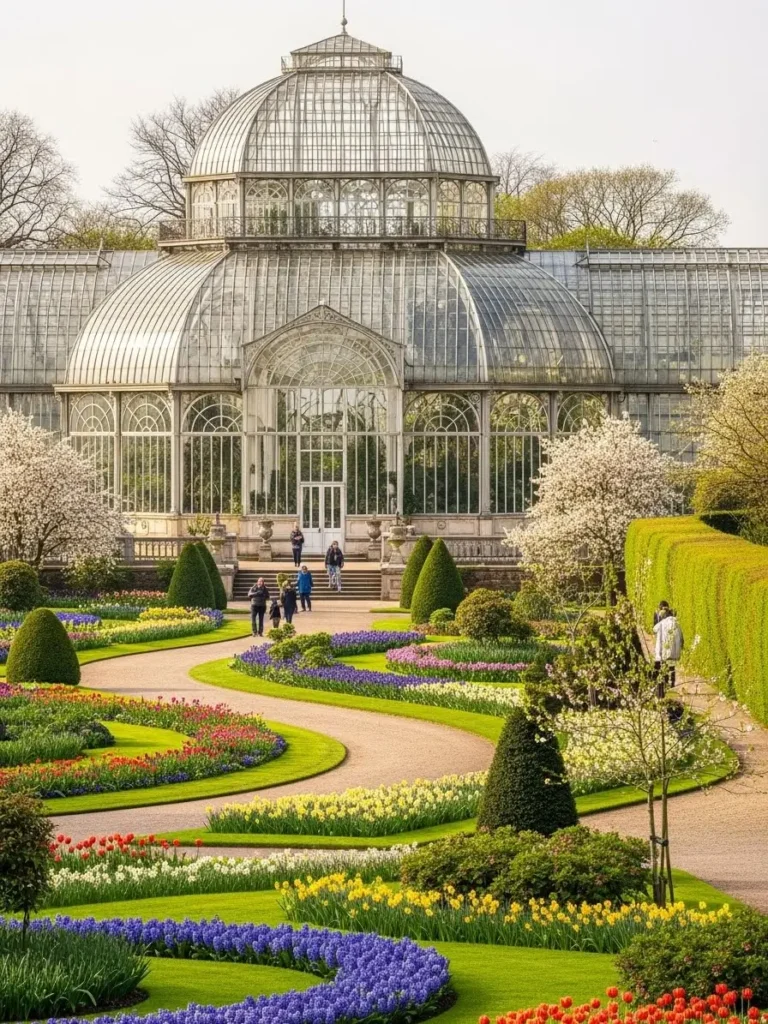
The New York Botanical Garden is a strong pick if you want a classic large garden plus a landmark conservatory experience. Visitors also know it for recurring seasonal draws that can shape the best time to visit.
Don’t miss: Pick one ecosystem room in the conservatory and read labels like a museum wall. Then take a slower walk outdoors to spot how design changes between formal and natural areas.
Discussion question: In a huge garden, do you want to “see it all,” or do you prefer a deep dive into one area?
2) Brooklyn Botanic Garden (Brooklyn, New York)
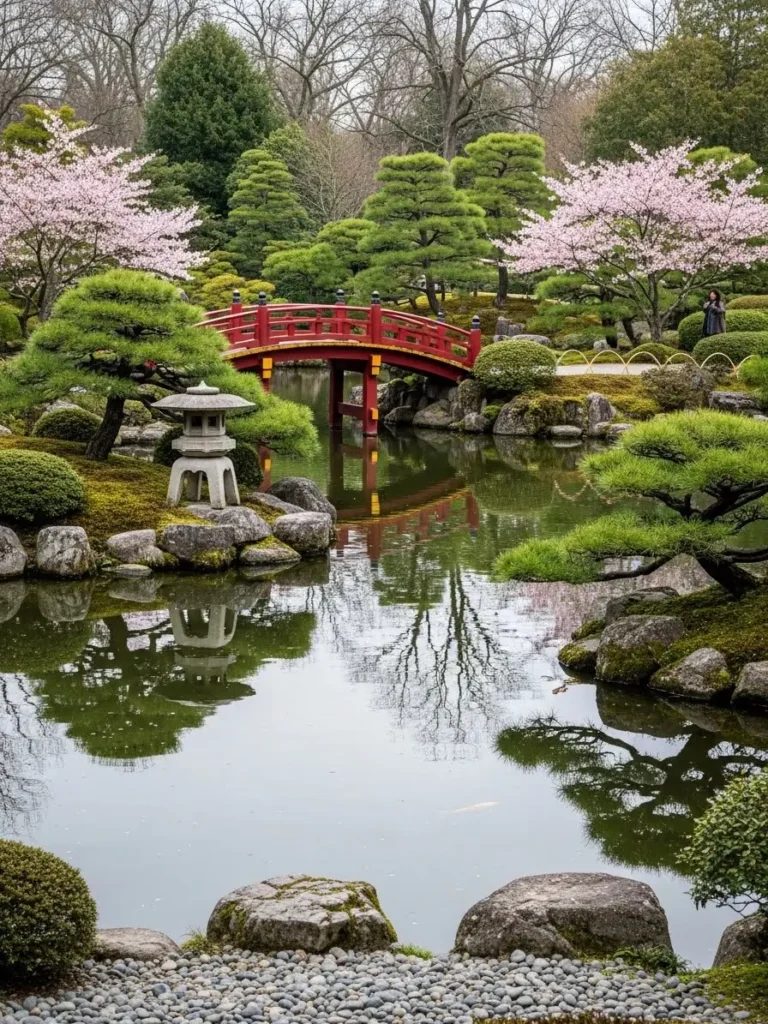
Brooklyn Botanic Garden is a great choice when you want strong seasonal beauty in a more compact city footprint.
Don’t miss: Slow down in a specialty garden (like a Japanese-style space or a fragrance-focused area) and use it as a “sensory reset” before you move on.
Discussion question: What makes a city garden feel like an escape to you—space, quiet, or thoughtful design?
3) Longwood Gardens (Kennett Square, Pennsylvania)
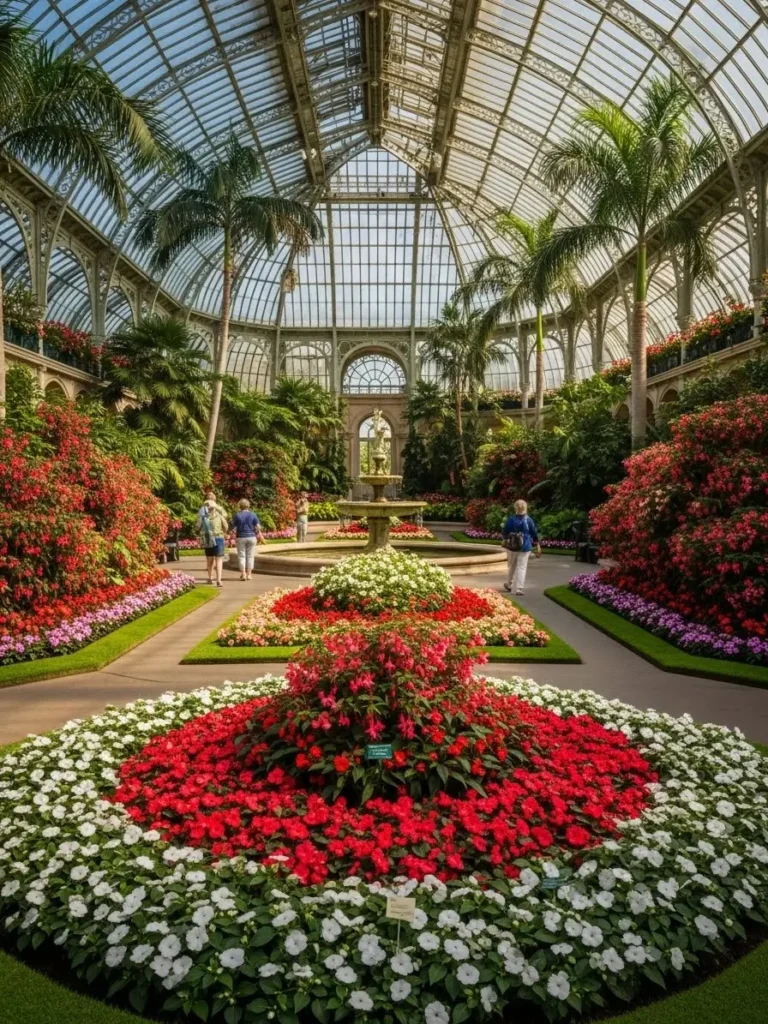
Longwood Gardens is built for “big moments,” from conservatory spaces to fountains and seasonal events.
Don’t miss: Build your visit around the conservatory plus one outdoor “wow” feature (fountains, formal gardens, or meadow areas). That pairing keeps the day balanced.
Discussion question: Would you plan a trip around a single “signature” feature like fountains, or do you prefer plant collections over spectacle?
4) United States Botanic Garden (Washington, D.C.)
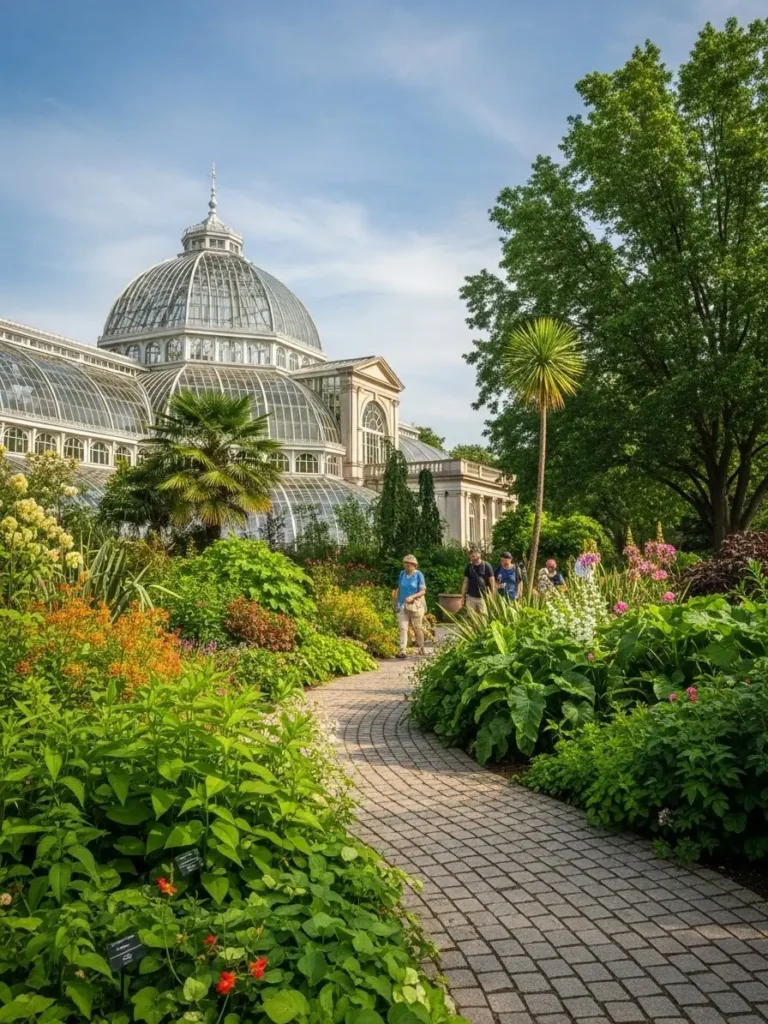
This is a smart pick if you want a high-impact conservatory visit in the middle of a sightseeing-heavy city.
Don’t miss: Use this garden as a “two-hour power visit” between museums and monuments, especially if you want an indoor-heavy experience.
Discussion question: When you visit a garden in a big tourist city, do you want it to feel educational or restful?
5) Chicago Botanic Garden (Glencoe, Illinois)
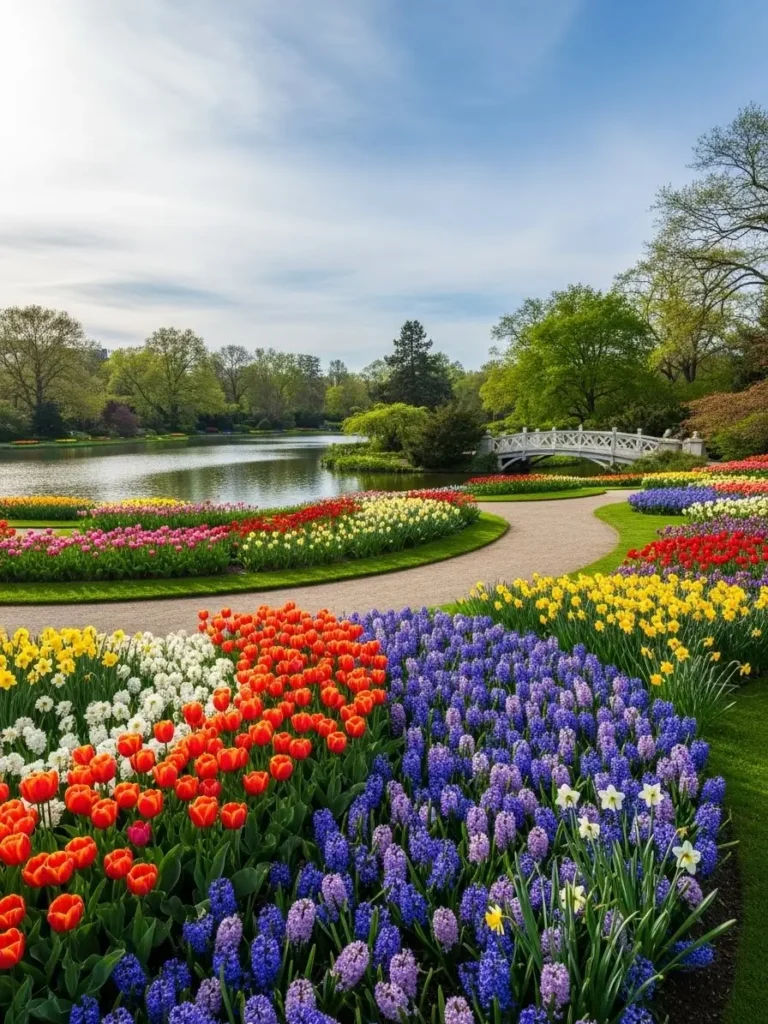
This garden is ideal when you want variety and lots of different “looks” for photos in one trip.
Don’t miss: Choose three gardens (not ten). For many people, “one seasonal bed + one quiet path + one signature theme” feels perfect.
Discussion question: Do you enjoy big gardens more when you pick a “top three,” or do you prefer to wander without a shortlist?
6) Missouri Botanical Garden (St. Louis, Missouri)
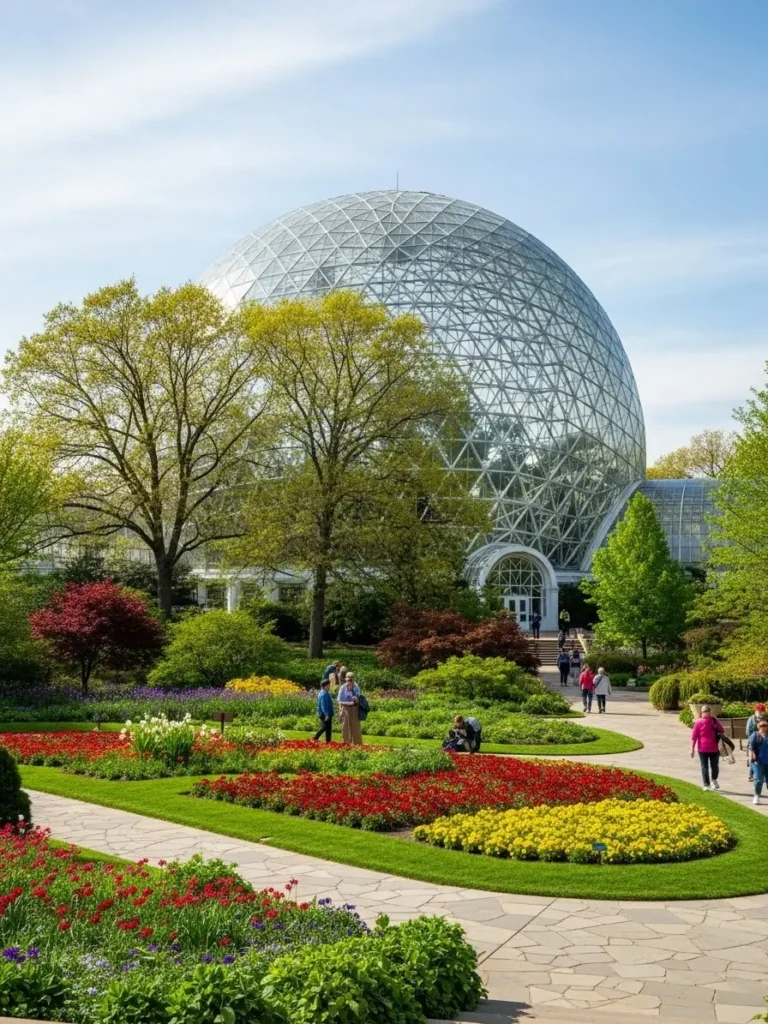
This is a great stop if you like historic institutions and mature landscapes that show long-term garden thinking.
Don’t miss: Look for “old garden” bones—historic conservatory spaces, mature trees, and design choices that reveal how garden priorities changed over time.
Discussion question: Do historic spaces add meaning to a garden visit for you, or do you mostly want new displays?
7) Denver Botanic Gardens (Denver, Colorado)
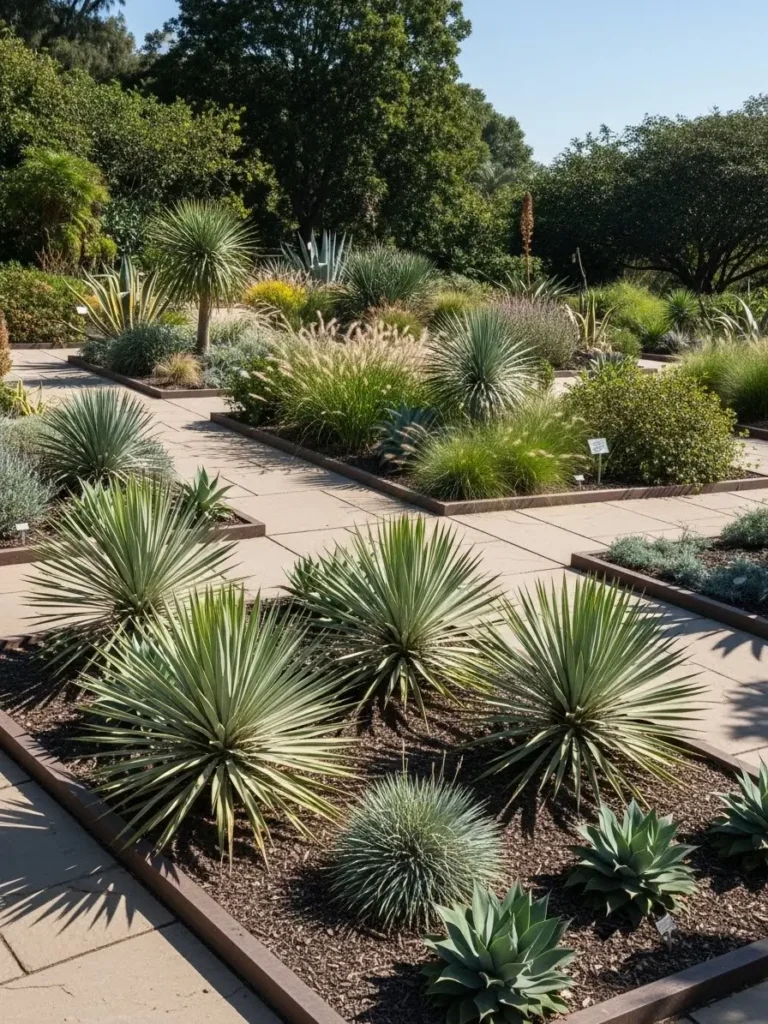
This is a strong choice if you want design ideas that translate well to dry or variable climates.
Don’t miss: Pay attention to drought-tolerant groupings and how they still look designed, not barren.
Discussion question: Would you rather copy a garden’s plant choices at home—or copy its layout and pacing?
8) Desert Botanical Garden (Phoenix, Arizona)
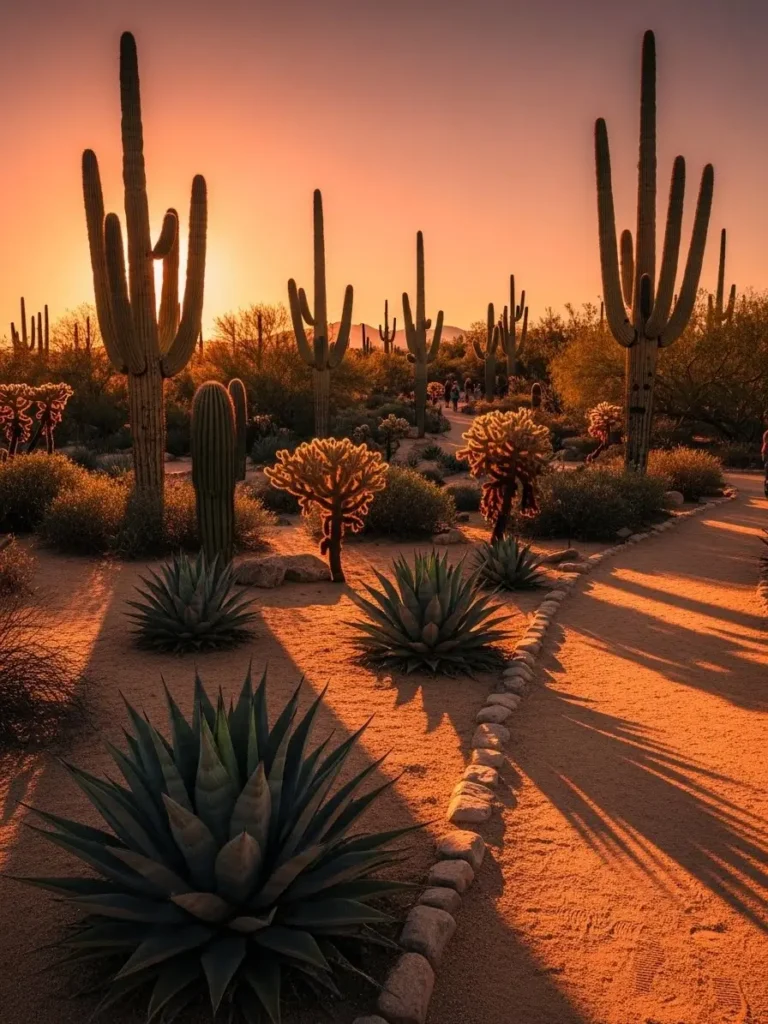
This garden rewards photographers who love shape, shadow, and structure, plus seasonal events and exhibits.
Don’t miss: Treat this garden like an art gallery. Look for shape, spacing, shadow, and plant structure—not only flowers.
Discussion question: When you visit a desert garden, do you search for blooms, or do you enjoy sculptural plants more?
9) Atlanta Botanical Garden (Atlanta, Georgia)
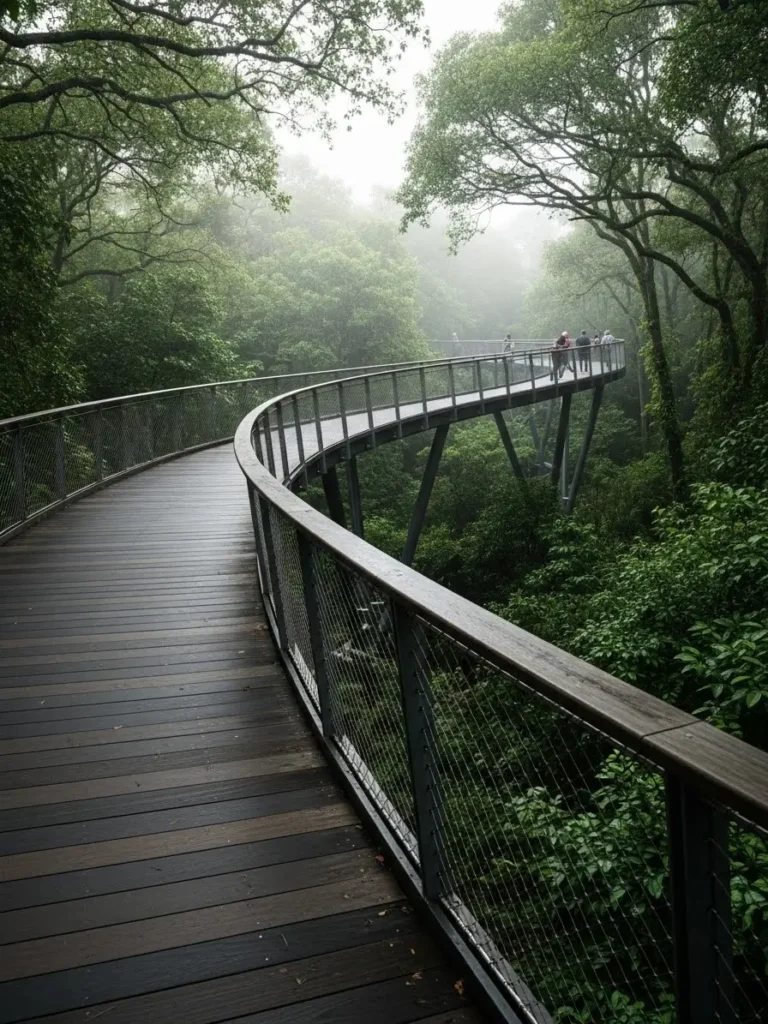
This is a good pick if you want a modern-feeling garden with strong “signature” spots and seasonal programming.
Don’t miss: Make orchids your anchor. Even if flowers are not peak outside, indoor collections can keep the visit feeling full.
Discussion question: Do you prefer gardens that feel like a quiet retreat, or gardens that feel like a cultural venue?
10) Fairchild Tropical Botanic Garden (Coral Gables, Florida)
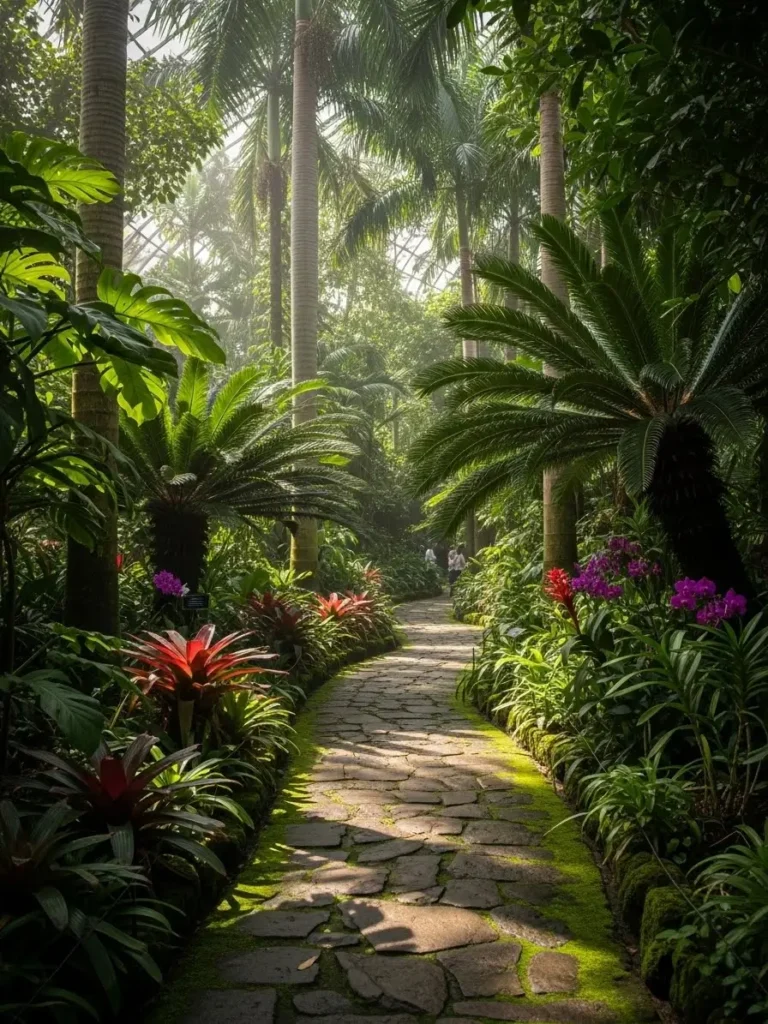
This is the move if you want tropical scale, dramatic leaves, and “jungle” texture for photos.
Don’t miss: Visit with “leaf attention.” Tropical gardens reward you when you notice leaf size, shine, texture, and growth patterns.
Discussion question: Does a tropical garden feel exciting to you—or does it feel overwhelming because everything looks “too lush” at once?
11) The Huntington Botanical Gardens (San Marino, California)
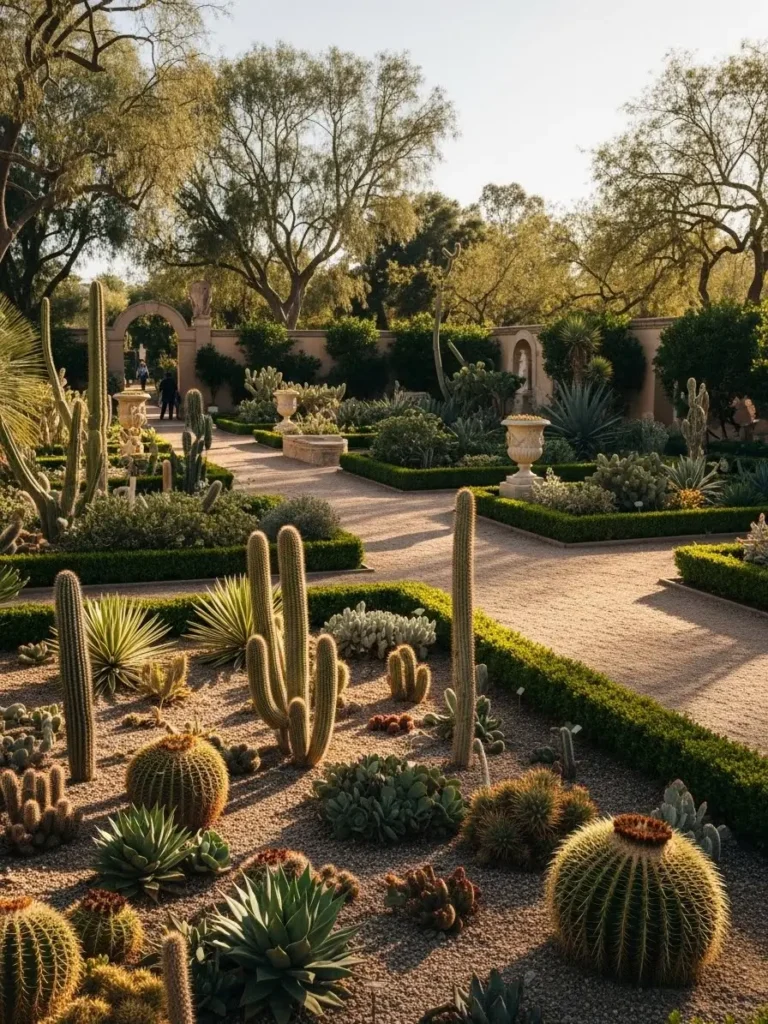
This is a strong choice if you want multiple themed zones that each feel like their own destination.
Don’t miss: Plan for a slower day here. Treat it like three visits in one: gardens, then a break, then one more garden zone.
Discussion question: When a place offers “too much,” do you love that—or do you want a tighter, simpler experience?
New vs old approach: Old plan: “I’ll walk until I’m tired.” New plan: “I’ll walk in two focused loops with a break, then stop while I still feel good.” What’s your personal sign that it’s time to stop and sit for five minutes?
Related Post: Essential Metal Gates in the UK
How to get more from any garden (even on a quick visit)
People often assume you need plant expertise to “get” botanical gardens. You don’t. You need a way to pay attention.
Use the “five cues” method
Choose one path or one bed and look for these cues:
- Light: full sun, dapple shade, deep shade.
- Water: dry slope, damp low spot, pond edge, drip line.
- Wind: sheltered courtyard, open meadow, ridge.
- Texture: glossy, fuzzy, spiky, smooth, rough bark.
- Structure: groundcover, shrub, small tree, canopy.
This method works in every climate. It also helps you borrow ideas for home. You stop thinking “I need that exact plant,” and you start thinking “I need that kind of plant for that kind of spot.”
Mini case study: the “anchor + bonus” itinerary
Imagine you have three hours and you pick a garden with a famous conservatory. Your anchor becomes the conservatory. You spend your first 45 minutes there while your energy is high, then you take a slow outdoor loop, then you end with a bench break and one last “bonus” zone.
This works because the anchor protects your day. Even if it rains, even if it gets hot, even if crowds swell, you already saw what you came for.
Quick reflection: What’s your anchor style—indoor conservatory, themed garden (Japanese/desert/rose), or a seasonal exhibit?
Discussion question: When you leave a garden, what makes you feel satisfied—learning something new, taking great photos, or feeling calmer than when you arrived?
Bring the experience home (without copying a whole garden)
A great botanical garden visit can change how you see your own space. The goal is not to recreate a public garden. The goal is to steal one idea you can keep.
Pick one “transferable” idea
- Plant pairing: one tall, one mid, one low plant that look good together.
- Path edge: a clean border that makes any bed look finished.
- Season planning: one plant for spring, one for summer, one for fall or winter.
- Texture contrast: spiky next to soft, glossy next to matte.
A simple “after visit” ritual that keeps inspiration alive
Within 24 hours, write down:
- Three plants you loved (even if you can’t grow them).
- One design detail you noticed (a bench placement, a curve, a container style).
- One feeling you want to recreate at home (shade-cool, bright-airy, quiet-green).
This takes five minutes, but it turns a fun day into something you can use.
Discussion question: If you could bring home just one thing from a botanical garden—color, scent, shade, or structure—what would you choose?
Key Takeaways:
- ✓Use an “anchor” (conservatory, themed garden, or exhibit) so the visit feels complete even if weather shifts.
- ✓Plan two focused loops with a break instead of trying to cover every path—big gardens reward pacing.
- ✓Seasonal exhibits and night events can be just as “worth it” as spring blooms.
- ✓Leave with one transferable idea (pairing, texture contrast, path edge, or season plan) so the trip keeps paying you back.
Frequently Asked Questions
What is the best time of day to visit botanical gardens?
Early morning usually gives you calmer paths, cooler air, and better chances to linger at labels. Late afternoon can also feel great if you want softer light and fewer crowds near closing. If your main goal is indoor collections, time matters less because conservatories stay consistent.
Are botanical gardens worth it if I’m not “a plant person”?
Yes, because you can treat them like a design and calm-space experience, not a botany exam. Use a simple theme (texture, shade, scent, or color) and focus on how the garden makes you feel. Labels help, but curiosity matters more than knowledge.
Which botanical gardens are best for winter travel?
Look for strong conservatories and seasonal programming. Winter exhibits, indoor collections, and special evening events can make a cold-season visit feel special even without peak outdoor blooms.
How do I choose between two big gardens in the same region?
Compare anchors. If one has the conservatory you want and the other has the outdoor theme you want, pick based on the weather and your time window. If both look great, choose the one with a seasonal highlight on your travel dates, because it gives your day a clear “main event.”
What should I do if I only have 90 minutes?
Go straight to your anchor first, then do one short loop and end with a bench break. Take three intentional photos per area (wide, medium, close) so you leave with memories you’ll use. Skip the pressure to “cover it all.”
Final Thoughts
Pick one garden from the list and plan around your anchor: a conservatory, a themed collection, or a seasonal exhibit. Then protect your energy with two focused loops and one real break. You’ll notice more, remember more, and leave feeling like the visit gave you something you can use.
Which botanical gardens are on your personal “must-visit” list—and what would make the day feel perfect for you?
Share your thoughts and experiences in the comments below—I’d love to hear your perspective!